
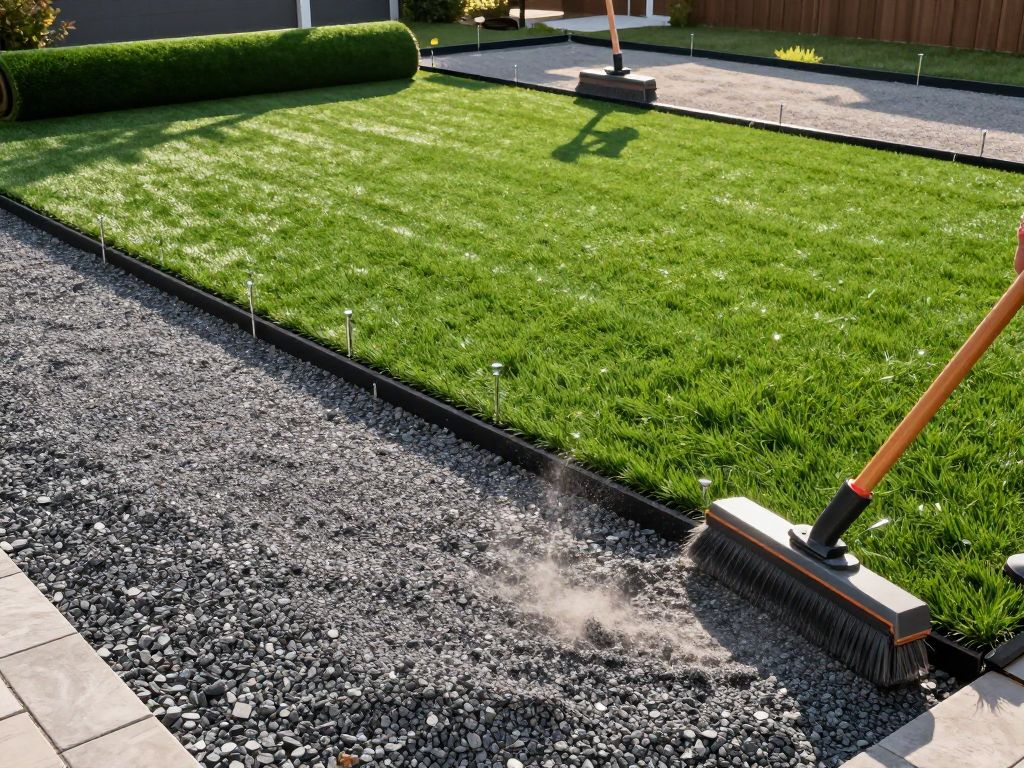
Budget Turf Options for Seniors: Simple, Safe, and Affordable
If you’re looking for budget-friendly turf ideas for seniors, you’re probably asking one simple question:
“How can we create a low-maintenance, safe yard for an older adult—without spending a fortune?”
Here’s the short answer:
- Choose simple, durable materials (like basic artificial turf, groundcover plants, or compacted gravel) instead of high-end landscaping.
- Prioritize safety over looks: non-slip, cushioned surfaces and trip-free edges matter more than fancy designs.
- Think small and focused: you don’t need to turf the whole yard—just create senior-friendly zones where they actually walk, sit, or garden.
- Control installation costs by understanding what really adds to the price and how to avoid unnecessary extras.
Below, we’ll go deeper into practical, budget turf options for seniors, how to keep costs under control, and how “senior-friendly” design can make a yard feel safer and more enjoyable—without breaking the bank.
Why Budget Turf Options Matter for Seniors Right Now
As we age, maintaining a traditional lawn can become:
- Physically demanding (mowing, edging, watering, weeding)
- Risky (uneven ground, slippery mud, hidden holes)
- Expensive (ongoing yard work or lawn services)
At the same time, outdoor space becomes more valuable:
- A place to get fresh air and light exercise
- A safe area for grandkids or pets
- A quiet spot to sit and relax
Budget turf options for seniors bridge that gap: they reduce maintenance and improve safety without the high price tag of a full landscape redesign.
The Best Budget-Friendly Turf Ideas for Seniors (At a Glance)
Below are core options that work well for seniors, especially when safety and cost are key:
- Basic artificial turf (no-frills, quality mid-range turf)
- Low-growing groundcover plants (for softer, living surfaces)
- Compact gravel or decomposed granite with stable pathways
- Mulch zones around trees and beds to reduce mowing and trip hazards
- Hybrid yards that mix small turf areas with hardscapes and seating
You don’t have to choose just one. Often, the most senior-friendly and budget-conscious yards use a combination of these.
Option 1: Basic Artificial Turf on a Budget
Artificial turf is often seen as expensive, but you can keep it budget-friendly by making a few smart choices.
Why Seniors Like Artificial Turf
- No mowing, watering, or fertilizing
- No muddy spots after rain
- Even, predictable surface (fewer surprise holes or dips)
- Year-round green appearance, easy on the eyes
How to Make Artificial Turf More Budget-Friendly
Focus on the essentials, not the luxury upgrades:
- Choose mid-range turf, not the thickest or most “luxury” product
- Limit the installation area to:
- Walkways and sitting areas
- A small lawn near a patio or porch
- Avoid complex designs:
- Fewer curves
- Simple shapes (rectangles, squares)
- Minimal cutting and fitting
These choices can keep costs lower while still giving seniors a safe, easy-care surface.
Things to Keep in Mind for Seniors
When picking budget turf options for seniors, factor in how the space will actually be used:
- Look for non-slip backing and a stable base to reduce trips
- Ask about heat—some turf gets hot in strong sun
- Consider adding shaded seating or an umbrella nearby
- Choose a short to medium pile height (easier for walking aids or canes)
For many families, artificial turf becomes most affordable when used as part of a small, strategic redesign rather than a full yard replacement.
Option 2: Low-Growing Groundcovers as a Living “Soft Turf”
If you want a more natural look but still want low effort and lower cost, low-growing groundcovers can act like a “living carpet.”
Benefits for Seniors
- Softer underfoot than bare soil or gravel
- Requires less mowing (some need none at all)
- Helps reduce weeds
- Can be more affordable than premium turf or complex landscaping
Types of Groundcovers to Consider
Depending on climate, you might explore:
- Creeping thyme (some varieties are tolerant and low-growing)
- Clover or microclover blends (less mowing than traditional grass)
- Native low groundcovers suited to local conditions
Senior-Friendly Design Tips
- Keep clear, stable paths through or around groundcovers
- Avoid plants that attract lots of bees right where seniors walk
- Choose varieties that stay low and don’t need constant trimming
Groundcovers can be a budget-friendly turf idea for seniors when combined with simple walkways and a few well-placed seating areas.
Option 3: Compact Gravel or Decomposed Granite Paths
Gravel might not sound “soft,” but properly installed, compacted gravel or decomposed granite (DG) can create stable, low-cost surfaces seniors can use daily.
Why This Can Work Well
- Lower material cost than many turf options
- Low maintenance once installed
- Good for paths, side yards, and low-traffic areas
- Permeable: helps with drainage and reduces puddles
Making Gravel Senior-Friendly
To make gravel a safe and budget-friendly turf alternative for seniors:
- Use small, angular gravel or DG that compacts well
- Ensure a firm, level base to prevent sinking and ruts
- Add edging (pavers, metal, or wood) to keep gravel contained
- Combine with:
- Simple seating spaces
- Raised planters
- Lighting for visibility at dusk
Gravel or DG works particularly well between turf or planting areas, giving seniors clear, solid routes without the complexity or cost of large paved spaces.
Option 4: Mulch Zones to Reduce Mowing and Tripping Hazards
Mulch isn’t turf, but it’s a budget-friendly way to handle tricky spots in a senior’s yard.
Where Mulch Helps Seniors
- Around trees, shrubs, and flower beds to:
- Cut down on weeding
- Eliminate the need to mow close to uneven trunks or roots
- In low-traffic side areas where grass struggles to grow
- Under raised beds or decorative plantings
Senior-Friendly Mulch Tips
- Choose shredded bark or wood chips that are less slippery when dry
- Avoid deep, loose layers on slopes where footing could be unstable
- Use solid paths for primary walking routes, with mulch as a filler around them
By replacing difficult-to-mow grass areas with mulch, you can reduce labor and risk, while keeping the budget under tighter control.
Option 5: Mix-and-Match: Hybrid Yards for Balance and Budget
One of the most practical budget turf options for seniors is a hybrid yard design—a mix of small turf sections, groundcovers, and hardscape.
Why Hybrid Designs Are Budget-Friendly
- You turf only the high-value zones, such as:
- The main lounging or sitting area
- A small pet or grandchild play space
- You fill the rest with:
- Groundcovers
- Mulch
- Gravel or DG paths
- Simple planters
This approach keeps material and installation costs down while still giving seniors the soft, green area they enjoy.
Examples of a Hybrid Senior-Friendly Yard
-
Scenario A: Small Front Yard
- Artificial turf rectangle near the front porch
- Mulch beds with shrubs and flowers along the sides
- A simple gravel or paver walkway from driveway to door
-
Scenario B: Back Patio Living Zone
- Compact turf area right off the patio
- Raised beds and mulch around the edges
- DG paths to tool shed or side gate
By thinking in zones, you can keep the most important areas comfortable and safe while staying within a budget.
Key Features of Senior-Friendly Turf (Even on a Budget)
Whatever material you choose, senior-friendly turf shares some core characteristics:
1. Safety First
- Even, predictable walking surface
- Minimized trip hazards (edges, roots, holes, loose stones)
- Non-slip where possible, especially around:
- Steps
- Ramps
- Entryways
2. Low Maintenance
- Reduced mowing, edging, and frequent watering
- Easy to keep tidy with minimal bending or heavy lifting
- Well-designed drainage to avoid muddy spots
3. Accessibility
- Paths wide enough for:
- Walkers
- Wheelchairs
- Mobility scooters
- Gentle slopes instead of sudden steps when possible
- Clear, well-lit routes for evening use
4. Comfort and Enjoyment
- A comfortable place to sit and rest
- Some shade in warmer climates
- Space for gentle gardening, if desired, in raised or easy-reach beds
These qualities matter just as much as the actual turf product—and they can often be achieved with budget-friendly materials if planned thoughtfully.
Understanding the Cost Side of Senior-Friendly Turf
When thinking about budget turf options for seniors, it helps to know what actually affects cost:
What Drives Costs Up
- Large areas of premium artificial turf
- Complex patterns, curves, or multiple small cuts
- Major ground regrading or demolition
- Extensive drainage systems or sub-base work
- Custom edging, borders, or intricate hardscape
What Helps Keep Costs Down
- Focusing on a small, high-use area instead of the whole yard
- Using simple shapes and layouts
- Combining different materials (turf, gravel, mulch) to:
- Improve safety
- Control cost
- Preparing realistic expectations about:
- Appearance
- Maintenance
- Lifespan of budget materials
If you’re considering getting help, learning more about the cost of senior-friendly turf installation and how installers quote projects can save you time and money. You can explore that topic in more depth by reading about choosing a senior-friendly installer on the choosing-senior-friendly-installer page, which explains how labor, preparation, and safety features influence the overall budget.
Planning a Budget-Friendly Senior Turf Project: Step-by-Step
You don’t need a full landscape blueprint to start making useful changes. Begin with clarity and priorities, then move into materials.
Step 1: Map Where Seniors Actually Spend Time
Identify the areas that truly matter:
- Main paths from:
- Car to front door
- Back door to yard or shed
- Spots where they:
- Sit
- Garden
- Walk the dog
These are the top candidates for senior-friendly, budget turf upgrades.
Step 2: Decide What You Can Stop Maintaining
Look for:
- Lawn areas that are rarely used
- Slopes that are hard to mow
- Shady spots where grass never thrives
These can become:
- Mulch zones
- Groundcover beds
- Gravel or DG areas
Reducing unnecessary lawn reduces weekly effort and long-term expense.
Step 3: Choose the Right Mix of Materials
For many families, a mix might look like:
- Core area: modest section of artificial turf or well-kept grass
- Surrounds: groundcover or mulch to reduce mowing
- Circulation paths: compacted gravel or simple pavers
This system supports both safety and budget control.
Step 4: Think Ahead About Upkeep
Ask:
- Who will maintain this space?
- Are there tools or physical tasks the senior can no longer do?
- Will a family member or service help?
Choosing turf and surfaces that match the realistic level of available help ensures the yard remains safe and pleasant over time.
FAQs: Budget Turf Options for Seniors
| Question | Answer |
|---|---|
| What is the most budget-friendly turf option for seniors? | Often, the most budget-friendly solution is a small area of artificial turf or improved grass combined with mulch and simple gravel paths . Turf the areas seniors actually use and handle the rest with low-cost, low-maintenance materials. |
| Is artificial turf safe for older adults? | It can be, if installed properly. A solid base, secure seams, and non-slip, even surfaces make artificial turf more senior-friendly . Avoid steep slopes and consider shade for comfort in hot climates. |
| How can I reduce lawn maintenance for a senior without redoing the whole yard? | Identify hard-to-mow areas and replace them with mulch, groundcover, or gravel . Focus on upgrading only the most-used walking and seating areas , not the entire yard. |
| Are groundcovers cheaper than turf? | Often yes, especially over time. Many groundcovers need less mowing and watering than grass, and initial plant costs can be lower than full artificial turf installations, particularly for larger or less-used spaces. |
| What makes a yard “senior-friendly” beyond the turf itself? | Key features include even surfaces , good lighting , wide paths , minimal trip hazards , and a few comfortable seating areas. Turf is just one piece of an overall safe, accessible design. |
| How do I keep a turf project within budget? | Limit turf to high-value zones , use simple shapes , mix in more affordable surfaces, and understand how installation costs work. For more insight on costs and safety-focused planning, see the choosing-senior-friendly-installer resource. |
| Can seniors still enjoy gardening with low-maintenance turf options? | Yes. Many families keep small garden spaces using raised beds, containers, or border plantings around turf or gravel. This keeps gardening accessible without the burden of a full traditional lawn. |
By focusing on simple, safe, and targeted solutions, you can create a senior-friendly outdoor space that fits real needs and real budgets—without sacrificing comfort or peace of mind.
Explore Related Turf Resources
Related Turf Guides
- Budget Turf Options for DFW Homes: Affordable Backyard Turf Options That Still Look Great
If you’re a Dallas–Fort Worth homeowner looking for **affordable backyard turf options**, here’s the bottom line:
- Cutting & Shaping Turf Correctly: The Step You Can’t Afford to Rush
Learn about Cutting & Shaping Turf Correctly: The Step You Can’t Afford to Rush with practical guidance from All American Turf in Dallas-Fort Worth.
- DFW Turf Cost Expectations: Understanding the Investment
**?
- DFW Turf Cost Overview: Average DFW Turf Cost Explained & What Impacts ROI
If you’re just trying to get a realistic number fast, here’s the short version most DFW homeowners are searching for:
- DIY vs. Professional Artificial Turf Cleaning: Which is Right for Your DFW Home?
Compare DIY and professional artificial turf cleaning for DFW homes, including when each approach makes sense, what it costs in time and effort, and when a deeper professional service is worth it.