
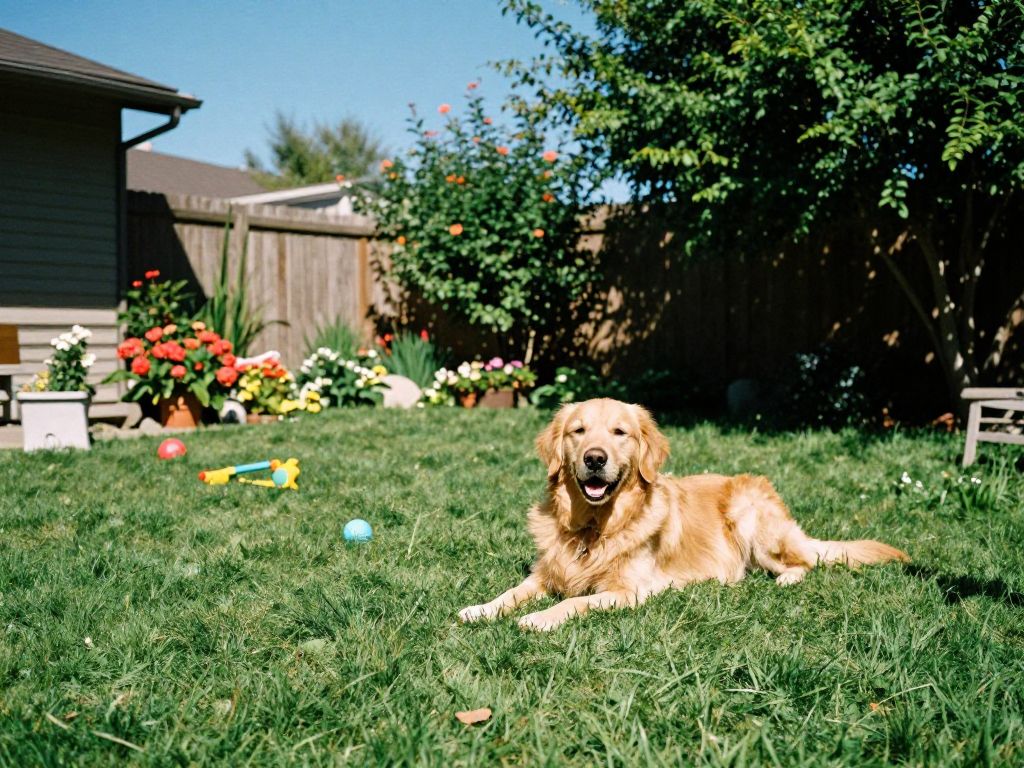
Flea-Free & Pest-Resistant Turf for Dogs: How It Really Works (and Why It Matters Now)
If you’re looking for pest-resistant turf for dogs because you’re tired of fleas, ticks, and chewed-up grass, here’s the quick answer:
Modern pet-friendly, pest-resistant turf can significantly reduce fleas, ticks, and other lawn pests by:
- Removing the soil environment pests live and breed in
- Creating a dense, non-organic surface that’s harder for pests to hide in
- Making it easier to clean, rinse, and sanitize the areas where your dog spends time
It doesn’t magically eliminate every single flea or tick in your dog’s world—but it removes one of the biggest hotspots: your yard.
Below, you’ll learn how flea-free & pest-resistant turf actually works, what to expect (and not expect), and how to decide if it fits your home, your pets, and your lifestyle.
What Is Flea-Free & Pest-Resistant Turf for Dogs?
“Flea-free” and “pest-resistant” turf refers to pet-friendly artificial grass systems designed to reduce the presence and survival of common outdoor pests, especially around where dogs play, rest, and relieve themselves.
Key features typically include:
- No soil base: Replaces live grass and soil (prime pest habitat) with a layered system of base rock, turf, and infill
- Dense, non-organic blades: Less organic matter for pests to cling to, hide in, or feed on
- Efficient drainage: Helps keep the surface drier, making it less welcoming to moisture-loving pests
- Easy cleaning: Allows regular rinsing, deodorizing, and sanitation, which reduces pest-friendly build-up like thatch, moisture, and waste
The result: a yard that’s much harder for fleas, ticks, and many other pests to treat as home base.
Why Flea & Pest Resistance Matters Right Now
You might be thinking: “Why do I need this now? I’ve dealt with fleas for years.”
A few reasons this topic has become more urgent:
1. Rising Pest Pressure
- Warmer average temperatures mean longer flea and tick seasons
- Many regions report more frequent infestations and harder-to-treat ticks
- Wildlife (squirrels, raccoons, stray cats) increasingly visit urban yards, bringing pests with them
2. Pets Spending More Time at Home
- More people working from home = dogs outside more often
- Dogs spending hours on pest-heavy lawns are at higher risk of bites and infestations
3. Growing Concern Over Chemicals
- Many pet owners want to avoid harsh pesticides and lawn treatments
- Pest-resistant turf reduces the need for repeated chemical use on grass
- Cleaner surfaces are easier to manage with milder, pet-safe cleaning solutions
If you’re trying to balance pet safety, outdoor comfort, and lower chemical exposure, flea-free & pest-resistant turf has become a realistic alternative worth understanding.
How Pest-Resistant Turf for Dogs Actually Reduces Fleas and Ticks
It helps to zoom in on what fleas and ticks need to thrive—and how turf disrupts that.
What Pests Need
Fleas and ticks especially love:
- Shaded, humid, organic environments (thatch, leaf litter, moist soil)
- Access to hosts (your dog, other pets, wildlife)
- Places to lay eggs and develop (soil, dense grass, organic debris)
What Pet-Friendly, Pest-Resistant Turf Changes
1. It removes their ideal habitat.
- No natural thatch or live grass for larvae to hide in
- No dense, damp soil layer right at the surface
- Less leaf and organic debris entangling with blades
2. It drains faster and dries quicker.
- Designed drainage systems move moisture away
- Drier surfaces are less attractive to fleas and other insects
3. It’s easier to clean and sanitize.
- You can hose off areas where dogs rest and play
- Some turf systems support pet-safe antimicrobial cleaners or deodorizers
- Regular rinsing helps disrupt pest life cycles by removing waste and organic build-up
4. It reduces “hotspots” where your dog picks up pests.
- Natural lawns often have hidden pockets of fleas and ticks
- Turf provides a more uniform surface with fewer micro-habitats
The big idea: turf doesn’t need to kill pests—it makes your yard a place they don’t want to live.
What Pest-Resistant Turf Can and Can’t Do
It’s important to stay realistic so you can make a smart decision.
What It CAN Do
- Significantly cut down flea and tick presence in the areas covered
- Reduce exposure to ant hills, lawn grubs, and some biting insects
- Help lower reliance on yard pesticides and repeated chemical treatments
- Keep your dog’s main outdoor space cleaner, drier, and easier to maintain
What It CANNOT Do
- Replace vet-recommended flea/tick prevention on your dog
- Stop pests that come from off-property sources (dog parks, hikes, neighbors’ yards)
- Completely eliminate all insects—beneficial or otherwise
Think of pest-resistant turf as one strong layer of defense, not the only tool you’ll ever need.
Pet-Friendly Turf vs. Traditional Grass for Dogs
Here’s how pest-resistant turf for dogs compares with a typical grass lawn in several key areas:
| Factor | Traditional Grass | Pest-Resistant Pet Turf |
|---|---|---|
| Flea & tick habitat | High – soil, thatch, shade, moisture | Much lower – non-organic, fast-draining, cleaner |
| Mud and mess | Common after rain or heavy use | Minimal – no mud, stable surface |
| Digging and worn patches | Frequent with active dogs | Greatly reduced – no dirt to dig, durable surface |
| Pesticide dependence | Often needed for weeds & pests | Often reduced; easier to spot-treat if needed |
| Cleaning urine and waste | Can soak into soil & linger | Can be rinsed, sanitized, and deodorized |
| Seasonal maintenance | Mowing, fertilizing, overseeding, weeding | Occasional brushing, rinsing, spot-cleaning |
Health & Comfort Benefits for Dogs
Beyond fewer pests, flea-free & pest-resistant turf offers comfort benefits that matter day to day.
1. Less Itching, Biting, and Allergic Flare-Ups
- Fewer fleas mean less scratching, hot spots, and skin irritation
- Reduced pollen and grass exposure can help some dogs with environmental allergies
2. Safer Surface for Sensitive Paws
- No burrs, thorns, or hidden weeds
- No lawn chemicals that might cling to fur and paws
- A level, cushioned surface that’s easier on joints and older dogs
3. Cleaner, More Predictable Play Area
- No mud = cleaner paws and less mess in the house
- Fewer bare spots and holes that can cause twisted ankles or tripping
- Consistent footing for fetch, running, and training
Everyday Life With Pest-Resistant Turf for Dogs
To picture how this fits into your real routine, imagine a normal week with a dog on turf:
Routine Use
- Morning and evening potty breaks on a dry, clean surface
- Afternoon play sessions without tracking dirt or burrs inside
- Less time inspecting your dog for pests picked up from the lawn
Easy Cleaning Habits
- Quick hose-down in high-use areas a few times a week
- Occasional use of a pet-safe cleaner to neutralize odors
- Simple removal of leaves or debris to prevent build-up
When you think of pest-resistant turf as a low-friction, easy-to-clean environment, its value goes beyond just fleas and ticks—it supports a cleaner, more manageable pet lifestyle overall.
Where Pest-Resistant Turf Works Best
It doesn’t have to be your entire property. Many pet owners choose specific, high-use zones:
- Dog runs and side yards
- Backyard potty areas
- High-traffic play zones
- Shady, damp areas where grass struggles and pests thrive
By converting only the spaces your dog uses most, you can dramatically cut pest exposure where it matters most, without redoing your whole landscape.
Outdoor vs. Indoor Pet Turf: Extending a Clean, Pest-Resistant Environment
If you like the idea of a cleaner, flea-resistant environment outdoors, you might also consider indoor pet turf solutions for crates, pet rooms, or balcony potty setups.
Indoor pet turf:
- Mimics the look and feel of outdoor grass
- Can be easier to clean than traditional potty pads
- Helps create a consistent experience for your dog between indoor and outdoor areas
To explore how that works, and how it complements flea-free & pest-resistant turf outdoors, you can learn more about indoor pet turf.
How to Support a Flea-Free Environment Beyond Turf
Turf is powerful, but it’s most effective as part of a holistic pest management approach:
- Follow your vet’s flea and tick recommendations for year-round or seasonal protection
- Wash bedding and soft surfaces regularly in hot water
- Vacuum fabric surfaces where your dog rests
- Keep shrubs trimmed and minimize leaf piles and debris near the turf
- Limit access to wildlife attractants (unsecured trash, open pet food, bird seed on the ground)
Everything works together: a cleaner surface, fewer pest habitats, and responsible pet care.
FAQs: Flea-Free & Pest-Resistant Turf for Dogs
General Questions
| Question | Answer |
|---|---|
| Does pest-resistant turf completely eliminate fleas and ticks? | No. It reduces their habitat and survival rates in your yard, especially in the areas your dog uses most. You should still follow your vet’s flea and tick prevention plan. |
| Is pest-resistant turf safe for dogs to play and lie on? | When properly installed with pet-friendly materials, yes. It’s designed for regular contact, running, and lounging. Always confirm that infill and cleaning products are rated pet-safe. |
| Will my dog still need flea medication? | Yes. Turf is a yard-based solution, not a replacement for veterinary prevention. Dogs can still encounter pests on walks, hikes, or at parks. |
Turf Performance & Maintenance
| Question | Answer |
|---|---|
| How often do I need to clean pet-friendly turf? | It depends on usage, but many owners rinse high-use areas a few times a week and do a deeper clean periodically. The key is consistency, especially in potty zones. |
| Does turf get hot in summer? | Some surfaces can warm up in direct sun. Many pet-friendly systems use cooling technologies, lighter colors, or shade planning to manage heat. Providing shade and water is still important. |
| Can my dog dig through artificial turf? | Quality installations include a secure base and edging that make digging difficult. Some determined diggers may still try, but they can’t usually reach soil like they would on a natural lawn. |
Health, Safety & Environment
| Question | Answer |
|---|---|
| Is pest-resistant turf better for dogs with allergies? | It can be. Turf reduces exposure to grass pollen, some molds, and lawn chemicals, which may help dogs with certain environmental sensitivities. Always consult your vet about allergy management. |
| Does turf increase or decrease chemical use? | For many households, it reduces reliance on fertilizers, herbicides, and some pesticides associated with maintaining natural grass. You may still choose targeted pest control in other parts of the yard if needed. |
| Are there indoor options related to this kind of turf? | Yes. Indoor pet turf can be used for potty areas, balconies, or training spaces and can complement outdoor flea-free, pest-resistant turf by creating a consistent, easier-to-clean environment. Learn more about how that works alongside outdoor solutions here: indoor pet turf. |
A pest-resistant, flea-conscious yard doesn’t have to mean harsh chemicals or constant treatment cycles. By understanding how flea-free & pest-resistant turf changes the environment your dog lives and plays in, you can decide whether it fits into the way you want to care for your pets—and your home—right now.
Explore Related Turf Resources
Related Turf Guides
- Antimicrobial Turf Benefits: What It Is, Why It Matters, and How Infill & Materials Affect Performance
If you’re wondering whether antimicrobial turf is really worth paying attention to, here’s the short answer:
- Best Turf Materials For Pools
The Definitive Guide to Best Turf Materials for DFW Pool Areas1. Direct Answer Intro (Featured Snippet Optimized)The best artificial turf materials for pool surrounds are high-grade, flow-through ...
- Can artificial turf provide a safer, cleaner, and more durable playground surface for daycares?
Yes, artificial turf is widely recognized as the superior surfacing choice for daycare and educational playgrounds, providing a consistently safe, antimicrobial, and low-maintenance environment tha...
- Custom Putting Green Design: Transforming Your Backyard into a Personal Training Facility
Custom Putting Green Design: Transforming Your Backyard into a Personal Training Facility1. Direct Answer Intro (Featured Snippet Optimized)
- Diy Vs Professional Pet Turf Installation
The decision between a DIY pet turf installation and hiring a professional comes down to balancing cost savings against specialized expertise in drainage, base preparation, and selecting pet-specif...