
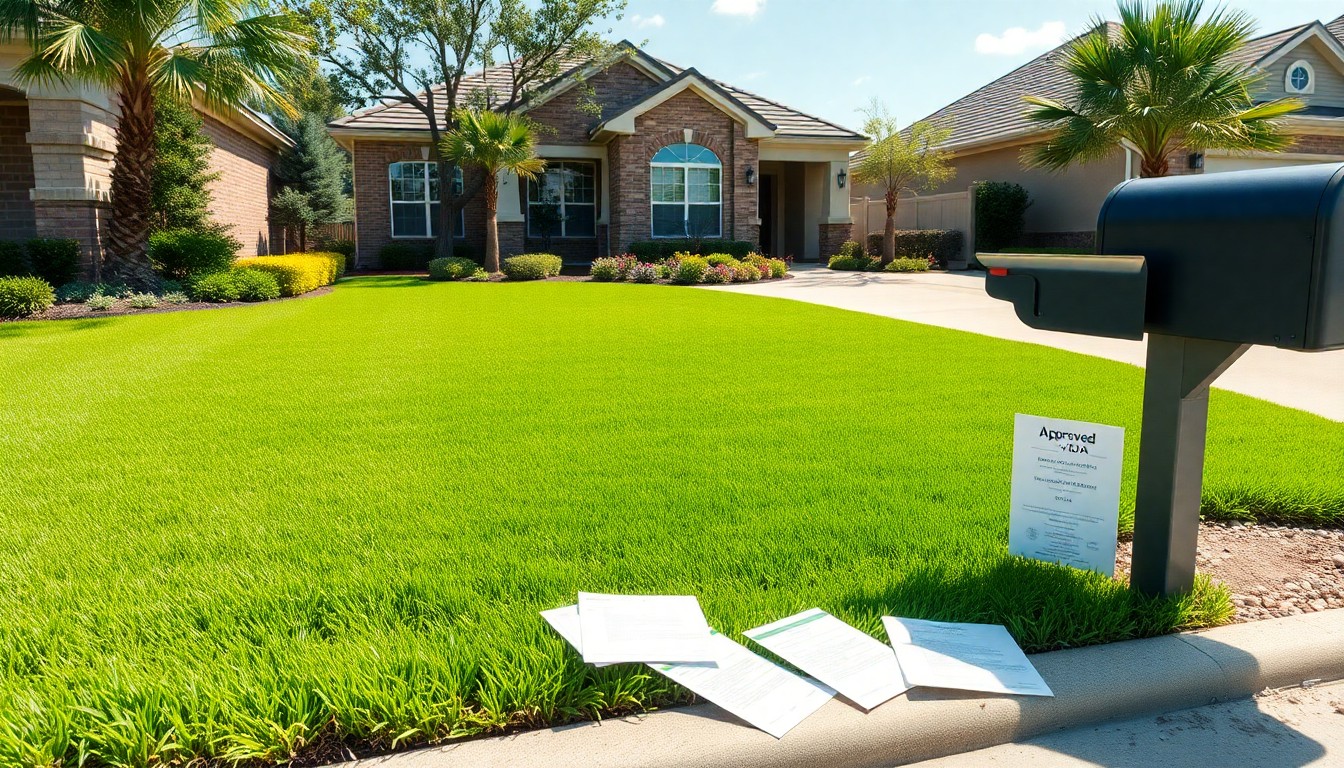
HOA Acceptance Factors: Navigating Artificial Turf Approval
##?
Gaining Homeowners Association (HOA) approval for artificial turf installation primarily relies on demonstrating compliance with aesthetic guidelines, meeting quality specifications (such as specific fiber materials and pile height), and ensuring the proposed installation adheres to established community rules regarding visual appeal, durability, and drainage. For solution-aware homeowners, proactively presenting a detailed, compliant plan using high-grade materials is the most critical factor for guaranteed acceptance.
2. Deep Dive (Detailed Why and How)
For many DFW homeowners, the HOA approval process is the final hurdle before installing synthetic grass. HOAs are tasked with maintaining community standards and property values, and their concerns often center on three main areas: realism, longevity, and proper installation.
Aesthetic Compliance: The Rule of Realism
The single greatest factor influencing HOA acceptance is the turf's appearance. HOAs typically reject older, cheaper materials that look clearly fake, shiny, or unnatural. To gain approval, you must select modern, high-density polyethylene (PE) turf that mimics the texture and color of local natural grasses.
It is crucial to submit physical samples or high-quality product sheets detailing the turf’s color blend, thatch layer, and blade shape. Emphasizing the natural, non-reflective look directly addresses the HOA’s concern about maintaining community aesthetics.
Quality Specifications and Durability
HOAs often specify minimum quality standards to ensure the investment lasts and doesn't degrade prematurely, which would negatively affect curb appeal. Be prepared to provide details on the product's warranty, UV-stabilization properties (essential for the Texas sun), and expected lifespan (15-25 years).
Demonstrate that the turf is designed to withstand heavy foot traffic and pet use without matting down. This reassures the HOA that the material will maintain its manicured look for decades, unlike struggling natural lawns.
The Installation Plan: Drainage and Safety
A poorly installed turf system can lead to drainage problems or an uneven surface, which is a liability concern for the HOA. Submit a professional installation plan that clearly outlines the preparation of the sub-base (often decomposed granite or crushed rock), the use of a perforated backing for superior drainage, and the installation of a proper weed barrier.
Addressing potential issues like heat retention with infill materials and ensuring adequate runoff management (especially near walkways or shared areas) proves that the project is being managed professionally and responsibly.
3. Quick Reference (Bulleted Key Takeaways)
- Show Proof of Quality: Submit samples and specs proving the turf is UV-stabilized, high-density, and realistic in color.
- Verify Longevity: Provide the product warranty and expected lifespan (15-25 years) to satisfy durability concerns.
- Address Drainage: Confirm the plan includes proper sub-base preparation and perforated backing for efficient water runoff.
- Review CC&Rs: Cross-reference your product choice with specific aesthetic rules mentioned in the community covenants.
- Professional Submission: Always submit a comprehensive, formal application detailing the exact product and installation process.
4. Strategic Hyperlink
Understanding your HOA's rules is the foundation of a successful turf installation. Ensure you are familiar with all governing standards by reviewing our complete guide to HOA rules for artificial turf installation. <a href="/guides/the-top-5-best-use-cases-for-residential-artificial-turf">HOA rules for artificial turf installation</a>
Explore Related Turf Resources
Related Turf Guides
- Apartment Patio Turf Solutions: How to Transform Small Spaces Fast
If you’re searching for apartment patio turf solutions, you’re likely asking one core question:
- Commercial Environmental Compliance for Turf: What It Is and Why It Matters Right Now
If you manage or influence any commercial property with turf—corporate campuses, schools, sports fields, HOAs, retail centers—**commercial environmental compliance for turf** is no longer “nice to ...
- Commercial Rooftop Turf: The Fastest Way to Turn Unused Roof Space into Usable Square Footage
If you’re wondering how to transform a bare, hot rooftop into something people actually want to use, commercial rooftop turf solutions are often the most practical starting point.
- Commercial Turf Cost: What You Should Really Expect to Pay
If you’re looking for a fast, realistic answer on **commercial turf cost**, here it is:
- Cool Turf for Play Areas: How to Keep Playground Surfaces Safer and More Comfortable
If you’re searching for **cooler turf for child play areas**, you’re probably worried about one thing first: **heat**.