
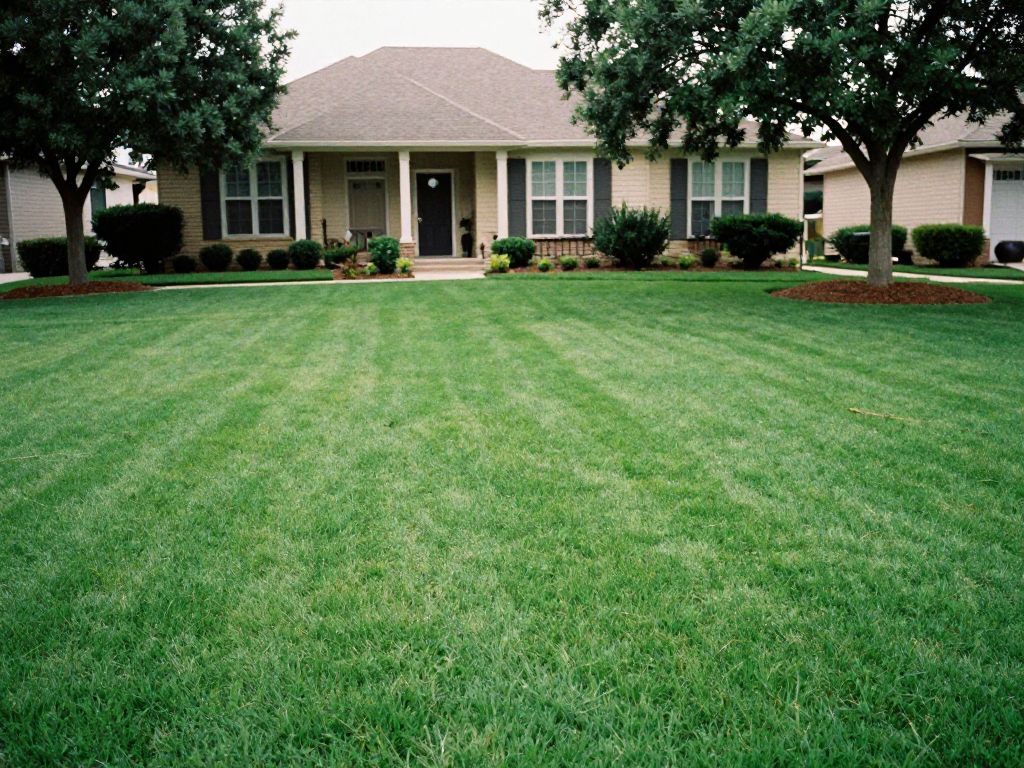
HOA Front Yard Turf Rules Explained (Without the Legal Headache)
If you live in a community association and you’re asking yourself, “Can my HOA stop me from installing turf in my front yard?” the short answer is:
- Yes, your HOA can set rules about front yard turf.
- No, that doesn’t always mean ‘no turf allowed.’
- In most communities, it comes down to what kind of turf, how it looks, and how it’s installed.
Understanding HOA front yard turf rules is less about memorizing every clause in your CC&Rs and more about knowing the key concepts your HOA cares about:
- Consistent aesthetics (curb appeal and property values)
- Quality materials and professional installation
- Drainage and long-term maintenance
- Compliance with any state or local drought or landscaping laws
Once you understand those pillars, the rest of your HOA’s rules start to make sense—and become easier to navigate.
Why Front Yard Turf Is a Big Deal for HOAs Right Now
Front yard landscaping is one of the most visible—and most regulated—parts of any HOA community. Turf has become a hot topic because it sits at the intersection of:
- Water conservation and drought regulations
- Rising maintenance costs (for both homeowners and associations)
- Community image and property values
- Sustainability and environmental expectations
More boards and architectural committees are being pushed to update landscaping guidelines, including synthetic turf and low-water landscapes, to balance:
- Homeowner preference (less work, lower water bills)
- Community standards (no patchy, cheap-looking fake lawns)
- Legal compliance (some states now protect water-wise landscaping choices)
This is why “HOA front yard turf rules explained” is such a relevant topic—you’re not just dealing with taste or opinion; you’re dealing with rules, economics, and long-term community planning.
The Core Principles Behind HOA Front Yard Turf Rules
Most HOAs don’t write rules just to be difficult. Their turf guidelines typically try to protect three things:
1. Visual Uniformity and Property Values
HOAs are tasked with keeping the neighborhood looking cohesive. Turf rules are often designed to:
- Prevent mismatched lawns (e.g., one neon-green turf yard next to natural grass)
- Avoid cheap, shiny, or obviously fake turf
- Protect the “brand” or image of the community
You’ll often see rules about:
- Turf color (must resemble local natural grasses)
- Texture and pile height (no putting-green look in front yards unless specifically allowed)
- Coverage (where turf can and cannot be placed, often in relation to trees, beds, and walkways)
2. Material Quality and Safety
HOAs are increasingly aware that not all turf is created equal. Many now reference minimum quality standards, which might include:
- A required pile height, such as 1.5"–2"
- Face weight or density requirements
- Drainage capability (permeable backing)
- Non-toxic, lead-free materials
These concerns are explored in more depth in HOA-wide guidelines on turf materials and standards. If your community has a separate set of rules on this, you might see them grouped with broader HOA turf material rules, which break down acceptable turf specifications and installation details.
3. Drainage and Long-Term Maintenance
Aesthetics are important, but so is function. Poorly installed turf can cause:
- Standing water and mosquito issues
- Damage to foundations, sidewalks, or adjacent properties
- Heat buildup in areas where children or pets play
HOAs may require:
- Specific base materials and depth under the turf
- Professional installation (no DIY in certain communities)
- Demonstrated drainage capability
- Clear maintenance responsibilities (cleaning, grooming, repairs)
Typical HOA Front Yard Turf Rules: What to Expect
While every set of CC&Rs is unique, most HOA front yard turf provisions fall into a few repeatable categories.
A. Where You Can Install Turf
Common location-based rules include:
- Turf is allowed only in certain front yard zones
- Must not extend into sidewalk strips or public right-of-way unless explicitly allowed
- Must maintain setbacks from trees, curbs, or driveways
- May require a mix of materials (turf plus planting beds, rock, or shrubs)
B. What the Turf Must Look Like
Most HOAs will specify:
- Color range: Must resemble local natural grass (no bright or artificial hues)
- Pile height: Minimum and maximum pile height to avoid a “putting green” or “carpet” look
- Style: Preference for multi-tone turf that mimics real grass
Some rules even specify:
- No visible seams or ripples
- No exposed infill in front yards
- Edge treatment requirements (clean transitions to concrete, beds, or walkways)
C. How It Must Be Installed
Your HOA may require:
- Professional installation by a licensed contractor
- A specified base construction (e.g., compacted aggregate, weed barrier)
- Adequate drainage design
- No attachment directly to soil without proper sub-base
Many HOAs reference turf material standards as part of broader landscaping regulations. These are often documented in separate HOA turf material rules, sometimes linked or referenced in your architectural guidelines so homeowners can easily see what is and isn’t acceptable.
D. Documentation and Approval Process
Typical submittal requirements include:
- Architectural request form
- Turf product specification sheet (showing pile height, color, backing, etc.)
- Photos or samples of the proposed turf
- Site plan or sketch showing coverage areas, borders, and adjacent landscaping
- Proposed installation timeline
How to Read Your HOA’s Front Yard Turf Rules Without Getting Lost
The fastest way to understand your HOA front yard turf rules is to break them into three questions:
- Is turf allowed in front yards at all?
- Check CC&Rs and any Architectural Guidelines or Landscape Standards.
- If allowed, what type and where?
- Look for phrases like “approved artificial turf,” “water-wise landscaping,” or “drought-tolerant alternatives.”
- What’s the approval process?
- Identify required forms, timelines, and whether board approval is needed before installation.
Look specifically for sections titled:
- “Landscaping Requirements”
- “Artificial Turf Guidelines”
- “Drought-Tolerant Landscaping”
- “Architectural Review Procedures”
If your documents refer to material or product requirements, they might be organized under broader turf material standards for the community—rules that shape what is allowed both in residential front yards and in Common Areas or HOA-owned landscapes.
Why HOAs Care About Material Standards (Not Just Looks)
When HOAs update their landscaping rules, they often start with material rules before they tackle location or design. That’s because poorly specified turf can create long-term problems:
- Fading and patchiness that hurt curb appeal
- Melt or deformation near reflective surfaces or high heat
- Odor and hygiene issues from pets or standing moisture
- Premature replacement costs
To prevent these issues, many HOAs adopt a baseline of turf material and installation criteria that apply across:
- Individual front yards
- Common-area medians, entries, and clubhouse grounds
- Commercial or mixed-use spaces maintained by the association
If your association has such standards, they’re often collected in a single reference, like an HOA turf material rules document or page. That central reference helps the board stay consistent and homeowners understand what’s expected before they request approval.
Connecting Front Yard Rules with Commercial & HOA Turf Standards
The logic behind front yard turf rules usually mirrors what the association uses for commercial and HOA-maintained areas:
-
Consistency:
Entry monuments, parks, and front yards should feel like part of the same community, not a patchwork of different surfacing types. -
Durability:
High-traffic HOA spaces (clubhouses, dog areas, walkways) push boards to demand tough, proven products—and they often apply the same expectations to homeowner yards. -
Risk Management:
Slip-resistance, drainage, and heat considerations in common areas translate into similar rules for homeowner installations, especially near sidewalks or shared areas.
So if you see turf in your community’s common areas, there’s a good chance:
- Your board has already vetted turf materials, specs, and installers
- The same standards or vendor recommendations could be referenced for front yard approvals
- The aesthetic there is the baseline your committee wants for homeowner projects
How to Approach Your HOA If You Want Turf in Your Front Yard
Instead of starting with “Can I?” it’s more effective to start with “How can we make this work within the rules?” Here’s a practical sequence:
-
Collect Your Governing Docs
- CC&Rs
- Architectural Guidelines
- Landscape Standards
- Any referenced turf material rules or design addenda
-
Highlight Turf-Related Sections
Look for terms like:- “Artificial turf,” “synthetic grass,” “water-wise”
- “Xeriscape,” “drought tolerant,” “low water use”
-
Study Existing Front Yards and Common Areas
- Note any homes with approved turf in front yards
- Pay attention to turf in common or commercial areas—colors, textures, layout
-
Draft a Simple Concept Plan
Include:- Where turf will go
- Where plants, rock, or mulch will remain
- How edges, trees, and walkways will be handled
-
Match or Exceed HOA Material Standards
- Choose products that clearly meet or exceed any pile height, color, and drainage specifications
- Be ready to show a spec sheet that matches HOA requirements
-
Submit a Clear, Organized Package
- Completed application form
- Product specs and photos
- Simple sketch or plan view
- Optional: photos of similar installations in the community
Common Tensions: Homeowners vs. HOA (and How to Navigate Them)
Front yard turf brings out a few recurring conflicts:
Water Use vs. Aesthetics
- Homeowners: Want to save on water and maintenance.
- HOAs: Want green, lush, uniform appearance.
Solution path:
- Propose high-quality turf that looks like local grasses.
- Mix turf with planting beds and drought-tolerant plants instead of all-rock or all-turf.
Cost vs. Quality
- Homeowners: Tempted to choose cheaper turf options.
- HOAs: Worried about long-term fading and “fake” appearance.
Solution path:
- Understand that material rules are designed to prevent premature failures.
- View the rules as a quality filter, not just a hurdle.
Personal Preference vs. Community Standards
- Homeowners: Want something unique or customized.
- HOAs: Need consistency from lot to lot.
Solution path:
- Look for ways to personalize within the rules (e.g., plant choices, seating, lighting).
- Honor the turf standards while customizing the surrounding landscape.
Planning Ahead: How Turf Rules Might Evolve in Your HOA
As water regulations, climate pressures, and landscaping trends shift, expect HOA turf policies to keep evolving. You might see:
- More explicit acceptance of artificial turf in front yards, especially in drought-prone areas
- Detailed turf material standards becoming the norm, not the exception
- Stronger emphasis on hybrid landscapes: turf + shrubs + native plants
- Harmonization between residential front yard standards and commercial/HOA common-area practices
Communities that get out in front of these changes often:
- Update their turf material rules and landscape guidelines
- Provide example plans and pre-approved designs
- Communicate clearly about what’s allowed so homeowners can plan with confidence
FAQ: HOA Front Yard Turf Rules Explained
| Question | Short Answer | What to Look for in Your HOA Docs |
|---|---|---|
| Can my HOA ban turf in my front yard? | Yes, if your governing documents explicitly restrict or prohibit it. | Check CC&Rs and Architectural Guidelines for “artificial turf” or “synthetic grass.” |
| What if state law encourages water-wise landscaping? | Some states limit HOAs from banning low-water options, including turf. | Look for sections on compliance with state or municipal drought regulations. |
| Do I always need pre-approval? | In most HOAs, yes—especially for front yards. | Find the “Architectural Review” or “Modification Request” section. |
| What turf specs typically matter to HOAs? | Color, pile height, density, and drainage capacity. | Look for “turf material standards,” “product requirements,” or referenced specification sheets. |
| Can I install turf myself? | Sometimes—but many HOAs require professional installation. | Search for “licensed contractor,” “professional installation,” or “DIY restrictions.” |
| Why does my HOA care about turf in common areas? | To control costs, manage risk, and keep the community’s image consistent. | Review landscaping sections related to “Common Areas,” “Commercial Areas,” or “Association-maintained property.” |
| Do front yard rules differ from back yard rules? | Often yes. Front yards are more regulated because they affect curb appeal. | Compare sections titled “Front Yard Requirements” and “Rear Yard or Private Area Improvements.” |
| What if my neighbor has turf but I’m told I can’t? | Standards may have changed, or their project may be non-compliant. | Ask the HOA if prior approvals are “grandfathered” and what current rules require. |
| How do commercial & HOA turf standards affect my home? | They often set the quality and appearance baseline for residential approvals. | Look at turf in entryways, clubhouses, and medians—it’s usually what your board wants to mirror. |
| Where can I learn more about what turf materials my HOA prefers? | Check any published turf or landscape standards your HOA provides. | Look for dedicated references or pages outlining HOA turf material rules , which often guide both common-area and front yard applications. |
Understanding HOA front yard turf rules isn’t about winning an argument with your board—it’s about learning the framework they’re working within. Once you see how those rules connect to material standards, community aesthetics, and commercial/HOA turf practices, you’re in a better position to design a front yard that:
- Respects the community
- Meets formal requirements
- And still reflects your own goals for comfort, cost, and curb appeal.
Explore Related Turf Resources
Related Turf Guides
- Apartment Patio Turf Solutions: How to Transform Small Spaces Fast
If you’re searching for apartment patio turf solutions, you’re likely asking one core question:
- Commercial Environmental Compliance for Turf: What It Is and Why It Matters Right Now
If you manage or influence any commercial property with turf—corporate campuses, schools, sports fields, HOAs, retail centers—**commercial environmental compliance for turf** is no longer “nice to ...
- Commercial Rooftop Turf: The Fastest Way to Turn Unused Roof Space into Usable Square Footage
If you’re wondering how to transform a bare, hot rooftop into something people actually want to use, commercial rooftop turf solutions are often the most practical starting point.
- Commercial Turf Cost: What You Should Really Expect to Pay
If you’re looking for a fast, realistic answer on **commercial turf cost**, here it is:
- Cool Turf for Play Areas: How to Keep Playground Surfaces Safer and More Comfortable
If you’re searching for **cooler turf for child play areas**, you’re probably worried about one thing first: **heat**.