
How to Clean Pet Waste from Artificial Turf
##?
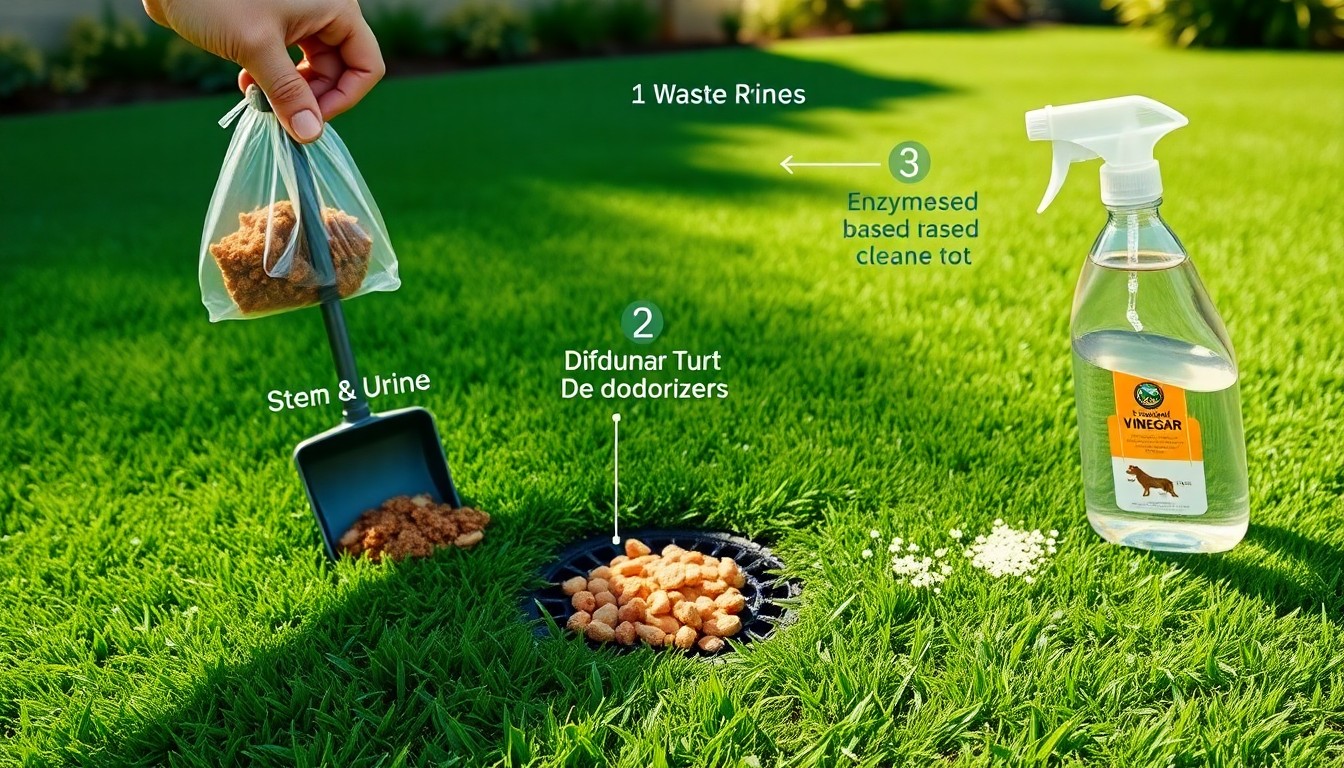
To effectively clean pet waste from artificial turf, you should immediately remove solid waste, rinse the affected area thoroughly with water to prevent urine from settling, and then treat the spot with an enzyme-based artificial turf cleaner or a diluted vinegar solution to neutralize odors and inhibit bacteria growth. Consistent rinsing and routine deodorizing are key to maintaining a sanitary and fresh pet-friendly lawn.
2. Deep Dive (Detailed Why and How)
Artificial turf is fundamentally different from natural grass, which means the cleanup process for pet waste must also change. Because synthetic grass doesn't absorb liquids or organic matter, effective cleaning focuses on drainage, neutralization, and odor control.
Handling Solid Waste
The initial step is simple: remove the solid waste immediately, just as you would with natural grass. Use a bag or scooper to pick up the feces. Modern, high-quality turf products feature robust backing and drainage holes that allow liquids to pass through quickly. Timely removal prevents waste from breaking down and impacting the turf fibers.
Addressing Urine and Odor
Pet urine is the primary challenge, as it can linger and cause odors if not addressed. * Rinsing: After removing solids, saturate the area with a hose using a spray nozzle. The goal is to flush the urine down into the specialized drainage system beneath the turf. Do this consistently, especially during dry periods in DFW.
- Neutralizing: For complete sanitation and odor control, water alone is not enough. You must use a neutralizing agent. We highly recommend enzyme-based cleaners specifically formulated for artificial turf, as they break down the organic compounds in the urine that cause the smell. As a quick, temporary solution, a diluted white vinegar mixture (50/50 with water) can also help neutralize pH and prevent bacterial growth.Never use harsh chemicals like bleach or strong degreasers, as these can damage the turf fibers or the backing material over time.
Long-Term Maintenance for Pet Owners
Routine maintenance ensures your pet turf remains hygienic and beautiful. Even with immediate rinsing, residue can build up, requiring occasional deep cleaning. Using turf deodorizers (often granular infills) can help absorb moisture and neutralize odors before they start. A regular deep cleaning schedule, combined with weekly rinsing, is essential for every DFW homeowner with pets.
3. Quick Reference (Bulleted Key Takeaways)
- Immediate Removal: Scoop up solid waste right away.
- Thorough Rinsing: Douse the spot with a hose to flush urine through the drainage system.
- Odor Neutralization: Apply an enzyme cleaner or diluted vinegar solution to break down odor-causing compounds.
- Avoid Harsh Chemicals: Do not use bleach or solvents, which can damage the turf.
- Routine Deep Cleaning: Implement weekly rinsing and consider using specialized deodorizing infills.
4. Strategic Hyperlink
To ensure your pet turf remains pristine and flat after cleaning, it is important to understand the best equipment and techniques for restoring the turf’s pile. Learn more about the methods for restoring your lawn’s fibers in our detailed guide on how to clean up after pets.
Explore Related Turf Resources
Related Turf Guides
- Antimicrobial Turf Benefits: What It Is, Why It Matters, and How Infill & Materials Affect Performance
If you’re wondering whether antimicrobial turf is really worth paying attention to, here’s the short answer:
- Best Turf Materials For Pools
The Definitive Guide to Best Turf Materials for DFW Pool Areas1. Direct Answer Intro (Featured Snippet Optimized)The best artificial turf materials for pool surrounds are high-grade, flow-through ...
- Can artificial turf provide a safer, cleaner, and more durable playground surface for daycares?
Yes, artificial turf is widely recognized as the superior surfacing choice for daycare and educational playgrounds, providing a consistently safe, antimicrobial, and low-maintenance environment tha...
- Custom Putting Green Design: Transforming Your Backyard into a Personal Training Facility
Custom Putting Green Design: Transforming Your Backyard into a Personal Training Facility1. Direct Answer Intro (Featured Snippet Optimized)
- Diy Vs Professional Pet Turf Installation
The decision between a DIY pet turf installation and hiring a professional comes down to balancing cost savings against specialized expertise in drainage, base preparation, and selecting pet-specif...