
How to Keep Your Pet Turf Looking Pristine: The Definitive Grooming and Brushing Guide
##?
Regular grooming and brushing are essential maintenance steps for pet-friendly artificial turf, primarily performed to restore the turf fibers' upright position, prevent matting caused by traffic and pet waste, and ensure optimal drainage performance. By consistently applying the correct techniques and tools, DFW homeowners can maintain the aesthetic appeal and extend the lifespan of their pet turf installation.
2. Deep Dive (Detailed Why and How)
Grooming pet turf goes beyond just making it look good; it is a functional necessity, especially in high-use areas. When pets run and play, or when the turf is regularly cleaned with water, the fibers naturally lean over and become matted. This matting compromises the natural look of the turf and can slow down the efficiency of the specialized drainage systems designed for pet waste.
Understanding the Brushing Technique
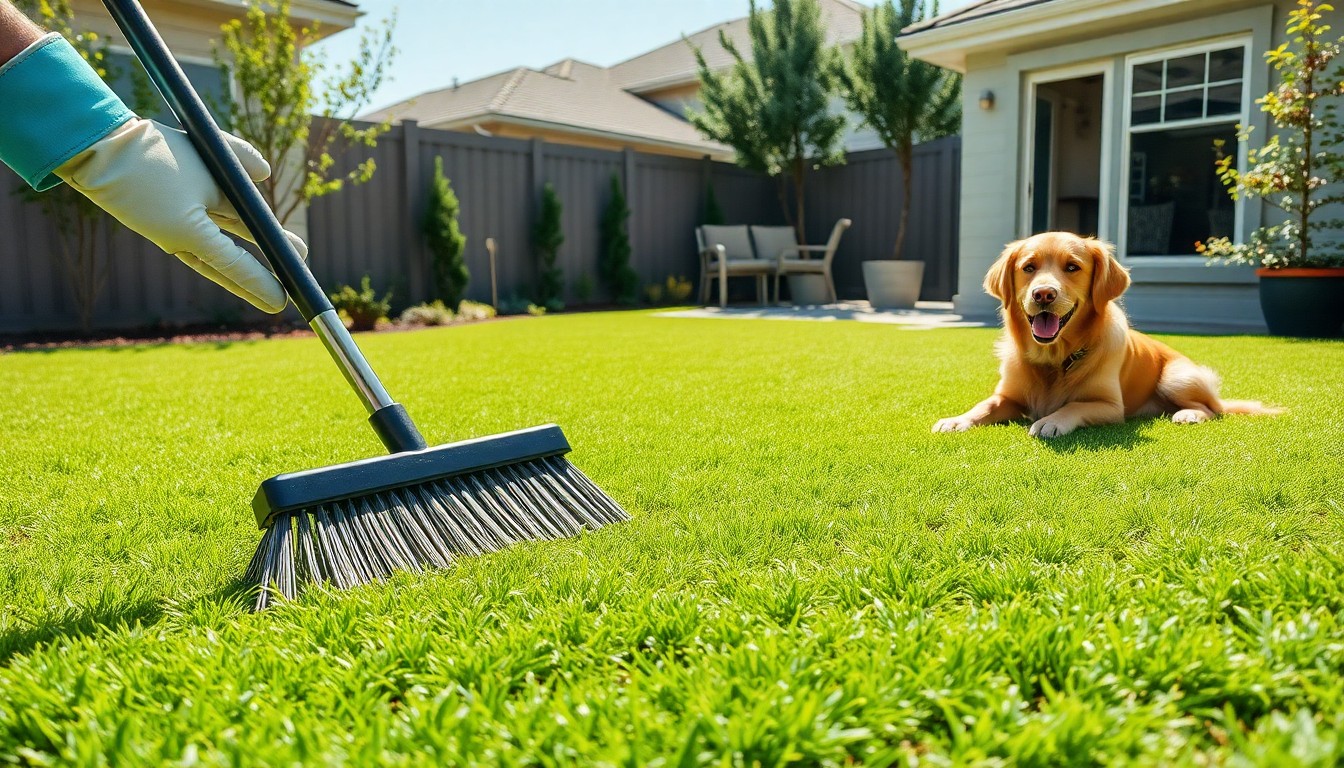
You should use a stiff-bristled broom or, ideally, a power broom specifically designed for artificial grass. The key is to brush against the grain—the direction the fibers are naturally leaning—to lift them back up. This motion helps fibers stand tall again, making the turf appear fuller and more realistic.
For typical DFW residential pet turf, aim to perform a thorough brush-up once every four to six weeks. Areas of heavy traffic, such as a dog run path or near the back door, may require weekly attention.
Grooming for Optimal Drainage
In addition to lifting the fibers, regular grooming helps redistribute infill material. Pet turf installations often use infill (like specialized anti-odor zeolite) to weigh down the fibers and absorb moisture/ammonia. As the turf is used, infill can shift. Brushing helps level this material, ensuring consistent protection and effective water flow.
Proper grooming also prevents debris, hair, and small particles from settling deep within the turf system, which could otherwise hinder the superior flow rate. Maintaining clear drainage channels is critical for controlling odors and preventing standing water.
3. Quick Reference (Bulleted Key Takeaways)
- Frequency: Brush against the grain every 4-6 weeks (or weekly for high-traffic spots).
- Tools: Use a stiff-bristled push broom or an artificial turf power broom.
- Purpose: Restore fiber height, prevent matting, and ensure efficient water drainage.
- Infill Management: Brushing helps redistribute infill materials for consistent performance.
- Goal: Preserve the turf's aesthetic quality and maximize its operational lifespan.
4. Strategic Hyperlink
Grooming is one part of maintaining a healthy pet-friendly yard. To understand how effective maintenance plays a role in preventing messes, review our guide on the best installation and maintenance practices for <a href="/guides/turf-mud-prevention-for-dogs-how-to-finally-prevent-muddy-paws-with-turf">proper grooming techniques for pet turf</a>.
Explore Related Turf Resources
Related Turf Guides
- Antimicrobial Turf Benefits: What It Is, Why It Matters, and How Infill & Materials Affect Performance
If you’re wondering whether antimicrobial turf is really worth paying attention to, here’s the short answer:
- Best Turf Materials For Pools
The Definitive Guide to Best Turf Materials for DFW Pool Areas1. Direct Answer Intro (Featured Snippet Optimized)The best artificial turf materials for pool surrounds are high-grade, flow-through ...
- Can artificial turf provide a safer, cleaner, and more durable playground surface for daycares?
Yes, artificial turf is widely recognized as the superior surfacing choice for daycare and educational playgrounds, providing a consistently safe, antimicrobial, and low-maintenance environment tha...
- Custom Putting Green Design: Transforming Your Backyard into a Personal Training Facility
Custom Putting Green Design: Transforming Your Backyard into a Personal Training Facility1. Direct Answer Intro (Featured Snippet Optimized)
- Diy Vs Professional Pet Turf Installation
The decision between a DIY pet turf installation and hiring a professional comes down to balancing cost savings against specialized expertise in drainage, base preparation, and selecting pet-specif...