
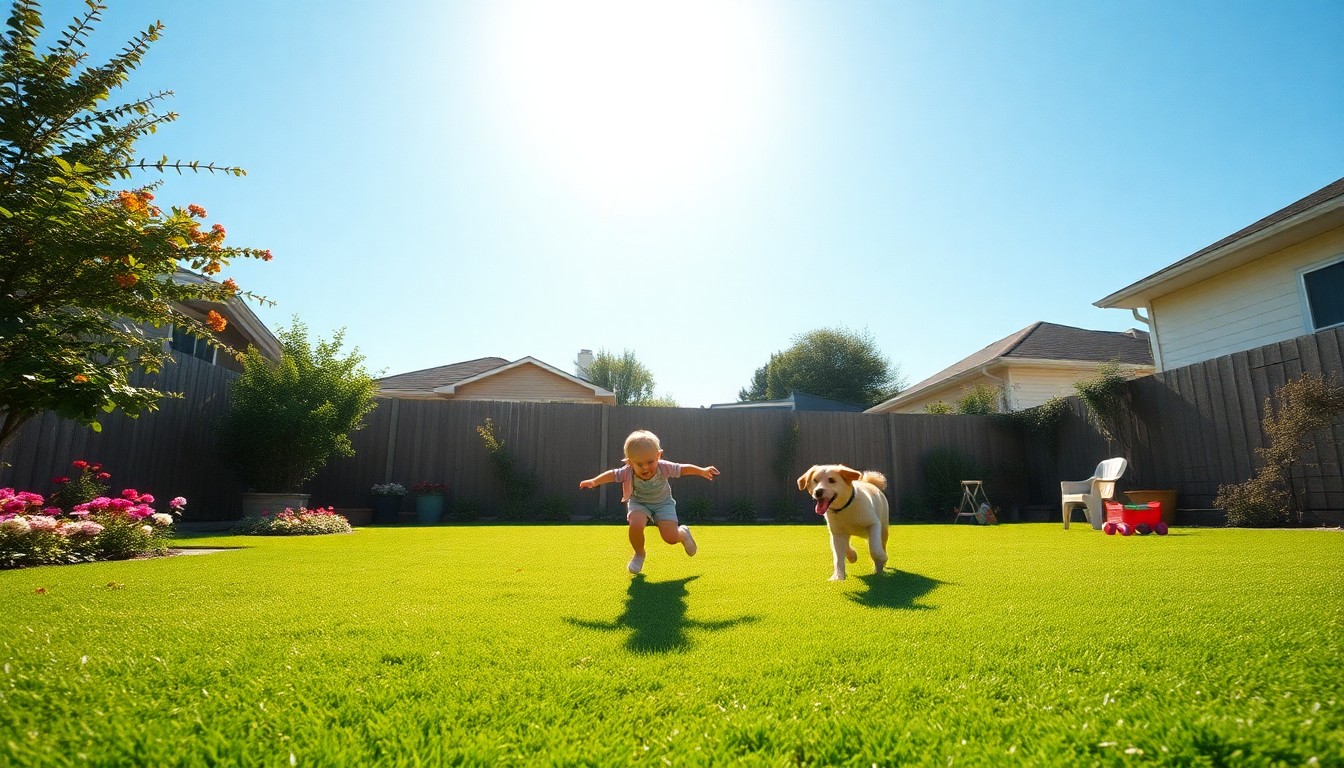
Is Artificial Turf Safe for Kids and Pets?
If you’re wondering, “is artificial turf safe for kids and pets?” the short, honest answer is:
- Modern, high-quality artificial turf is generally considered safe
- Safety depends heavily on the materials, infill, installation, and maintenance
- A well-chosen, well-cared-for turf system can be a clean, cushioned, low-allergen play surface for families and pets
The rest of this guide digs into how turf safety actually works, what to watch for, and how to decide whether artificial turf is a good fit for your yard, play area, or pet space.
Why Families Ask: Is Artificial Turf Safe for Kids and Pets?
Artificial turf has changed a lot in recent years, but concerns usually center around:
- Chemicals and materials (plastics, infill, heavy metals)
- Heat (turf getting hotter than natural grass)
- Injuries and falls
- Hygiene (pet waste, bacteria)
- Allergies and skin sensitivities
These are all valid questions to ask. Safety isn’t just about “yes or no”; it’s about what kind of turf, how it’s built, and how you use and maintain it.
Key Factors That Affect Turf Safety for Kids and Pets
When asking is artificial turf safe for kids and pets?, think in terms of a complete turf system, not just the green blades you see on top.
1. Turf Materials and Chemical Safety
Modern family- and pet-friendly turfs are typically designed to be:
- Lead-free (or well below safety limits)
- Non-toxic plastics (usually polyethylene or polypropylene)
- UV-stabilized to resist breakdown and shedding
Questions to consider:
- Does the turf specify lead-free or low-VOC materials?
- Is it designed specifically for residential, play, or pet use?
- Does the manufacturer provide safety or third-party testing documentation?
Turf designed for sports fields or industrial applications may use different materials than turf meant for home yards, so product type matters.
2. Infill Type: One of the Biggest Safety Variables
Infill is the material brushed into the turf to help blades stand up and provide cushioning. It can have a big impact on heat, chemicals, and comfort.
Common infill types:
-
Crumb rubber (recycled tires)
- Pros: Cushioning, widely used
- Concerns: Heat retention, potential chemical exposure, dust
- Many families now prefer alternatives for kids’ play or pet areas
-
Silica sand
- Pros: Simple, affordable, widely used
- Concerns: Can compact over time; dust if not properly handled during installation
-
Coated or rounded sands
- Pros: Less dust, better drainage, more stable under foot
- Often used for residential and pet applications
-
Organic/alternative infills (cork, coconut, specialized pet infill)
- Pros: Cooler underfoot, more natural feel, often installed in pet zones and playgrounds
- Cons: Higher cost; may require more maintenance in certain climates
For kids and pets, many homeowners now prioritize:
- Non-rubber infills
- Lower heat retention
- Good drainage and minimal dust
3. Fall Protection and Impact Safety
For play spaces, the question often isn’t just is artificial turf safe for kids and pets? but is it safe for running, jumping, tumbling, and falling?
Under the turf, you may have:
- Basic compacted base (standard yard use)
- Shock pads or foam padding (playgrounds, sport areas, rough-and-tumble zones)
Why this matters:
- Reduces impact from falls on play structures or climbing toys
- Provides a more forgiving surface for toddlers and active pets
- May help meet playground safety standards when required
If you’re planning a play area or dog run where activity is intense, asking about a shock pad layer is one of the most impactful safety decisions you can make.
4. Turf Heat: Can It Get Too Hot?
Artificial turf can get hotter than natural grass in direct sun. Heat depends on:
- Color and fiber type
- Infill material (rubber tends to get hottest)
- Sun exposure and local climate
Practical ways families handle turf heat:
- Choose cooler turf and infill options designed to reduce heat retention
- Provide shade (trees, pergolas, sail shades) over key play or pet zones
- Avoid bare feet on very hot days
- Cool surfaces with a quick hose spray before play
Kids and pets are often more sensitive to hot surfaces than adults, so heat is a key part of your safety evaluation, especially in sunny climates.
5. Hygiene, Germs, and Pet Waste
One advantage of synthetic turf is that you can see and remove pet waste more easily than from dense natural grass. But hygiene still matters.
For pet and kid safety, focus on:
- Good drainage
- Proper base and turf backing that lets liquids flow through
- Reduces puddling and odors
- Regular cleaning
- Promptly remove solid pet waste
- Rinse urine areas
- Use pet-safe disinfectants or enzyme cleaners when needed
- Periodic maintenance
- Light brushing to keep fibers upright
- Check for compacted areas where moisture can linger
When handled properly, artificial turf can be cleaner and less muddy than many natural yards—especially for households with multiple pets.
6. Allergies and Sensitivities
For some families, asking “is artificial turf safe for kids and pets?” is driven by allergies rather than chemical concerns.
Potential benefits:
- Fewer grass pollens
- Less dust and mud tracked indoors
- Easier to wash down surfaces where kids play and pets lie
Possible issues:
- Rarely, some people notice skin irritation from certain fibers or infills
- Outdoor allergens (like tree pollen) can still land on turf, just as on any outdoor surface
If you have sensitive skin or respiratory conditions in the household, it can help to:
- Look for turf marketed as hypoallergenic or skin-friendly
- Rinse turf periodically during high pollen seasons
- Test a small area or sample first if possible
How Turf Safety Compares to Natural Grass
There’s no “perfect” surface. Both artificial turf and natural grass have pros and cons for kids and pets.
- Potential safety advantages of artificial turf:
- No need for chemical fertilizers, pesticides, or weed killers on the turf itself
- No mud or slippery, uneven bare patches
- Consistent surface that can reduce tripping hazards
- Easier to clean specific areas where pets routinely go
Potential safety advantages of natural grass:
- Stays cooler in most climates
- Naturally biodegradable
- Familiar underfoot feel; some families simply prefer it
Your decision often comes down to trade-offs: what risks you’re trying to reduce (chemicals, mud, allergies, holes) versus what you’re willing to manage (watering, mowing, weeds, shade problems, or turf heat).
Practical Safety Tips for Kids and Pets on Artificial Turf
If you decide artificial turf might work for your family, you can make it safer and more comfortable by following a few simple guidelines.
For Kids
- Choose kid-appropriate turf and infill
- Ask for residential or playground-grade turf
- Consider shock pads under swing sets or climbing areas
- Manage heat
- Check turf temperature with your hand or bare foot before play
- Provide shade in key play zones
- Encourage shoes on very sunny days
- Set “gentle play” rules for toddlers, just as you would on any new surface
For Pets
- Designate potty zones
- Rinse these areas more frequently
- Consider specialized pet infill to help with odor and drainage
- Maintain nails
- Trim pet nails to protect paws and turf fibers
- Rinse and refresh
- Hose down high-use areas periodically
- Use pet-safe cleaners if odors develop
- Watch behavior
- Some dogs may try to dig; redirect with toys or provide a designated “dig zone” elsewhere
Choosing Safer Turf Types for Families and Pets
Not all turf is created equal. Some products are optimized for sports durability, others for aesthetics, and others for family and pet comfort.
When you start comparing options:
- Look for:
- Lead-free certifications or test reports
- Soft, skin-friendly fibers (often polyethylene)
- Non-rubber infill options if you’re concerned about heat or chemicals
- Good drainage specs for pet use
- Options that support additional padding beneath for play areas
If you want to go deeper into how different turf types perform for households with children and animals, you can explore this in more detail in the best turf types guide, which breaks down how blade shape, pile height, density, and infill choices affect comfort, durability, and day-to-day safety in family yards and pet zones.
Making Turf Safety Feel Realistic for Your Home
To decide whether artificial turf is safe for your kids and pets, bring everything back to your actual yard and lifestyle:
-
Climate
- Very hot? Heat management becomes a top priority.
- Rainy? Drainage and mold resistance matter more.
-
Activity level
- Rough-and-tumble play and large dogs? Look into shock pads and durable turf.
- Mostly gentle use and small pets? Softer residential turf may be ideal.
-
Allergies and sensitivities
- If grass pollen or lawn chemicals are a problem, turf may offer relief.
- If skin is sensitive, prioritize soft fibers and tested, low-irritant infills.
-
Maintenance comfort
- Turf isn’t “zero maintenance,” but it is different maintenance—more about rinsing and brushing, less about mowing and fertilizing.
The better your turf system is matched to your family and pets, the safer and more satisfying it tends to be over time.
FAQ: Turf Safety for Kids & Pets
| Question | Short Answer |
|---|---|
| Is artificial turf safe for kids and pets? | Generally yes, when you choose modern, lead-free turf, appropriate infill, and maintain it properly. |
| Does artificial turf contain harmful chemicals? | Most residential products are designed to be non-toxic, but materials and infills vary. Look for safety data and certifications. |
| Is artificial turf too hot for children or pets? | It can get hotter than natural grass in direct sun. Heat-mitigating infills, shade, and rinsing can help. |
| Is turf safe for toddlers who crawl or put things in their mouths? | Choose lead-free, playground-appropriate turf and infill. Supervise as you would on any outdoor surface. |
| Can dogs damage or dig through artificial turf? | Some dogs may try. Proper installation, secure edges, and training help prevent digging damage. |
| How do you clean pet urine from artificial turf? | Rinse with water regularly and use pet-safe cleaners or enzymes on frequently used areas. |
| Does artificial turf cause more injuries than natural grass? | Injuries depend on turf quality, padding, and activities. Shock pads and softer infills can improve safety for falls. |
| Is artificial turf better for allergies? | It can reduce grass pollen exposure and mud, but outdoor allergens like tree pollen can still be present. |
| Can artificial turf grow mold or bacteria? | With good drainage and regular cleaning, issues are minimized. Standing water and neglect can increase risk. |
| What should I look for when choosing turf for kids and pets? | Lead-free materials, soft fibers, safe infill, strong drainage, and the option for shock pads in play or pet zones. |
Key Takeaways: Balancing Safety, Comfort, and Everyday Life
When you ask, is artificial turf safe for kids and pets? you’re really asking how turf fits into your family’s life. In summary:
- Modern, quality turf systems are generally safe for children and animals when chosen and maintained thoughtfully.
- Materials and infill matter: opt for lead-free, non-toxic components and consider alternatives to crumb rubber if you’re heat- or chemical-conscious.
- Design for your reality: climate, activity level, and allergy concerns should shape which turf type you choose.
- Installation and maintenance complete the safety picture: good drainage, proper base, occasional rinsing, and simple care keep surfaces cleaner and more comfortable.
Understanding these basics puts you in a stronger position to ask better questions, compare options, and decide whether artificial turf is the right fit for your kids, your pets, and your yard.
Explore Related Turf Resources
Related Turf Guides
- Antimicrobial Turf Benefits: What It Is, Why It Matters, and How Infill & Materials Affect Performance
If you’re wondering whether antimicrobial turf is really worth paying attention to, here’s the short answer:
- Best Turf Materials For Pools
The Definitive Guide to Best Turf Materials for DFW Pool Areas1. Direct Answer Intro (Featured Snippet Optimized)The best artificial turf materials for pool surrounds are high-grade, flow-through ...
- Can artificial turf provide a safer, cleaner, and more durable playground surface for daycares?
Yes, artificial turf is widely recognized as the superior surfacing choice for daycare and educational playgrounds, providing a consistently safe, antimicrobial, and low-maintenance environment tha...
- Custom Putting Green Design: Transforming Your Backyard into a Personal Training Facility
Custom Putting Green Design: Transforming Your Backyard into a Personal Training Facility1. Direct Answer Intro (Featured Snippet Optimized)
- Diy Vs Professional Pet Turf Installation
The decision between a DIY pet turf installation and hiring a professional comes down to balancing cost savings against specialized expertise in drainage, base preparation, and selecting pet-specif...