
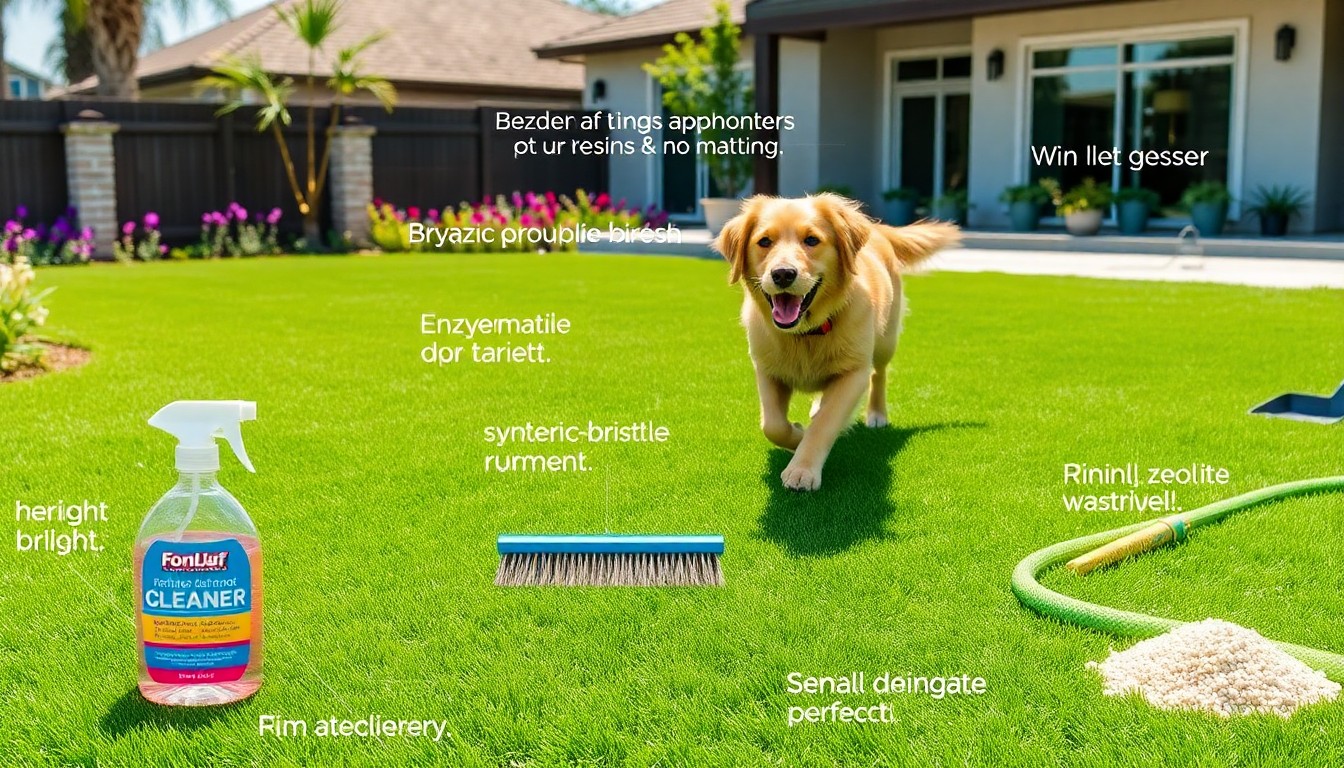
Long-Term Pet Turf Maintenance: The Definitive Guide for DFW Homeowners
##?
Long-term pet turf maintenance primarily involves consistent odor control through enzymatic cleaners, maintaining optimal drainage by occasional rinsing and infill replenishment, and routine brushing to prevent matting and preserve fiber integrity. For DFW pet owners, a proactive maintenance schedule ensures a hygienic, aesthetically pleasing, and durable synthetic lawn that maximizes the 15-25 year lifespan of your investment.
2. Deep Dive (Detailed Why and How)
The Non-Negotiable: Odor Control and Hygiene
While quality pet turf is built with superior drainage, the biggest concern for long-term ownership is odor management from pet urine. Natural rain alone is not sufficient to prevent odor build-up over time.
You must regularly apply a specialized, enzymatic pet cleaner (never bleach-based solutions). These cleaners break down the biological compounds in urine rather than just masking the smell, neutralizing the source of the odor within the turf backing and infill.
In addition to enzymatic treatments, a simple, consistent rinsing schedule—especially in high-use areas—is crucial. This flushes the waste through the drainage system and minimizes bacterial growth, keeping the yard hygienic and fresh, especially during DFW's hot summers.Protecting Your Turf's Aesthetics: Preventing Matting
Pet traffic is heavy traffic. Over time, constant running, playing, and digging can cause the synthetic fibers to lean over and appear "matted," which affects the turf's look and can impede minor drainage.
To combat this, you should plan for periodic brushing with a synthetic-bristle broom or a power broom. This maintenance step stands the turf fibers back upright, restoring the natural appearance and ensuring the infill remains evenly distributed. Depending on the usage level, this might be a light monthly rake or a comprehensive quarterly sweep.Maintaining the Foundation: Infill and Drainage
The infill layer (often specialized pet-friendly materials like zeolite) is the unseen hero of your pet turf system. It helps stabilize the blades, provides ballast against movement, and aids significantly in odor absorption and drainage.
As pets play and weather occurs, the infill can settle or slightly migrate, which is normal. Over the long term, inspecting the infill depth and topping it off every 1-3 years is necessary to ensure the turf remains fully supported and drainage remains optimal. This prevents dips and prolongs the life of the turf blades.
3. Quick Reference (Bulleted Key Takeaways)
- Rinse Weekly: Flush high-traffic areas with a hose to clear minor debris and soluble waste.
- Enzymatic Treatment: Use pet-specific, enzyme-based cleaners monthly or as needed for odor neutralization.
- Brush Routinely: Use a stiff, synthetic-bristle broom to stand up the fibers and prevent matting.
- Check Infill: Inspect and replenish pet-friendly infill every 1–3 years to maintain support and odor control.
- Prompt Debris Removal: Remove solid waste immediately to keep the surface hygienic.
4. Strategic Hyperlink
Understanding the investment required for a pet-friendly turf system helps homeowners commit to the maintenance that protects that value. To better appreciate the cost-benefit analysis of owning pet turf, we encourage you to review our comprehensive guide on maximizing your pet turf investment longevity.
Explore Related Turf Resources
Related Turf Guides
- Antimicrobial Turf Benefits: What It Is, Why It Matters, and How Infill & Materials Affect Performance
If you’re wondering whether antimicrobial turf is really worth paying attention to, here’s the short answer:
- Best Turf Materials For Pools
The Definitive Guide to Best Turf Materials for DFW Pool Areas1. Direct Answer Intro (Featured Snippet Optimized)The best artificial turf materials for pool surrounds are high-grade, flow-through ...
- Can artificial turf provide a safer, cleaner, and more durable playground surface for daycares?
Yes, artificial turf is widely recognized as the superior surfacing choice for daycare and educational playgrounds, providing a consistently safe, antimicrobial, and low-maintenance environment tha...
- Custom Putting Green Design: Transforming Your Backyard into a Personal Training Facility
Custom Putting Green Design: Transforming Your Backyard into a Personal Training Facility1. Direct Answer Intro (Featured Snippet Optimized)
- Diy Vs Professional Pet Turf Installation
The decision between a DIY pet turf installation and hiring a professional comes down to balancing cost savings against specialized expertise in drainage, base preparation, and selecting pet-specif...