
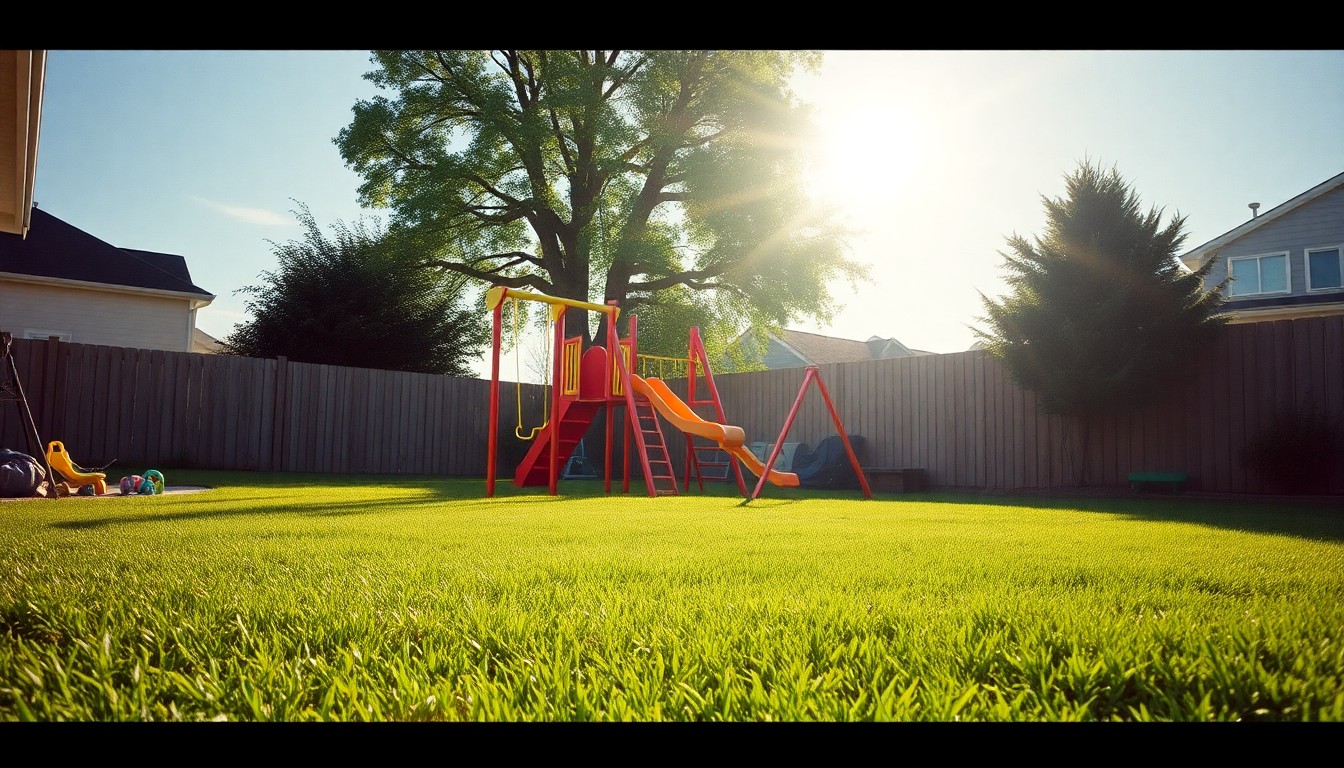
The Definitive Guide to Artificial Turf and Playground Safety Standards
##?
Artificial turf is the premier solution for meeting and exceeding critical playground safety standards, primarily by providing a consistent, engineered fall-height attenuation surface that remains compliant year-round. For homeowners investing in safe play areas, high-quality synthetic grass ensures impact cushioning, eliminates tripping hazards common with mulch or gravel, and minimizes maintenance required to maintain certified safety levels.
2. Deep Dive (Detailed Why and How)
The primary goal of any residential playground surfacing is to protect children from serious injury resulting from falls, which are the most common playground accident. In the United States, critical safety standards are set by organizations like the Consumer Product Safety Commission (CPSC) and ASTM International.
The CPSC Handbook for Public Playground Safety provides guidelines for "fall height" and impact absorption. This is where artificial turf offers a significant advantage over traditional materials. Unlike wood mulch or sand, which requires constant raking, replenishment, and depth checks to maintain compliance, artificial turf systems are installed with a highly controlled shock-absorbent sub-layer (often foam padding) beneath the turf.
This engineered system is certified to absorb impacts from specific fall heights, ensuring maximum safety for climbing structures and swings. Once installed correctly, the system’s performance is consistent and does not degrade or shift with weather or foot traffic.
Furthermore, artificial turf creates a seamless, firm surface that eliminates debris and loose fill. This reduces the tripping risks associated with transition zones and uneven surfaces, enhancing overall play accessibility and safety. The drainage inherent in quality turf also ensures the play area is usable immediately after rain, preventing slick, muddy conditions that lead to slips and falls.
3. Quick Reference (Bulleted Key Takeaways)
- Certified Fall Height: Engineered foam padding systems beneath the turf meet specific CPSC/ASTM impact standards.
- Consistency: The surface remains compliant and cushioned year-round, unlike loose-fill materials.
- Reduced Tripping Hazards: Eliminates uneven surfaces, gravel, or matted mulch.
- Superior Drainage: Prevents dangerous standing water and muddy conditions.
- Low Maintenance Safety: Requires minimal effort to ensure continued compliance and optimal cushioning.
4. Strategic Hyperlink
A safe playground must also be a usable one. To ensure your new play space is welcoming and compliant for every child, we highly recommend reviewing our detailed guide on the requirements for meeting official playground safety standards.
Explore Related Turf Resources
Related Turf Guides
- Apartment Patio Turf Solutions: How to Transform Small Spaces Fast
If you’re searching for apartment patio turf solutions, you’re likely asking one core question:
- Commercial Environmental Compliance for Turf: What It Is and Why It Matters Right Now
If you manage or influence any commercial property with turf—corporate campuses, schools, sports fields, HOAs, retail centers—**commercial environmental compliance for turf** is no longer “nice to ...
- Commercial Rooftop Turf: The Fastest Way to Turn Unused Roof Space into Usable Square Footage
If you’re wondering how to transform a bare, hot rooftop into something people actually want to use, commercial rooftop turf solutions are often the most practical starting point.
- Commercial Turf Cost: What You Should Really Expect to Pay
If you’re looking for a fast, realistic answer on **commercial turf cost**, here it is:
- Cool Turf for Play Areas: How to Keep Playground Surfaces Safer and More Comfortable
If you’re searching for **cooler turf for child play areas**, you’re probably worried about one thing first: **heat**.