
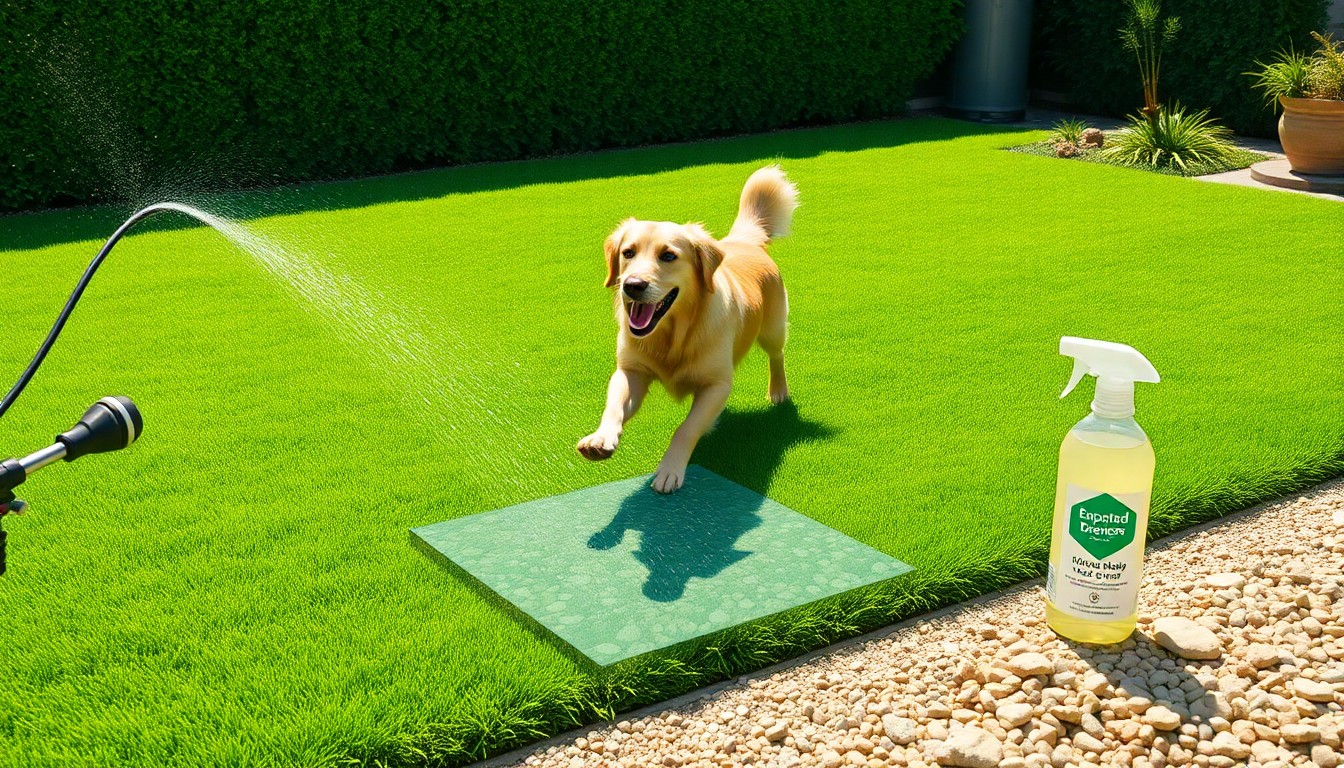
The Definitive Guide to Drainage and Odor Control for Pet-Friendly Artificial Turf
##?
Effective drainage and rigorous odor control are the two most critical factors for maintaining pet-friendly artificial turf. Optimal solutions involve installing a permeable turf backing over a specialized, well-compacted sub-base (like decomposed granite), and utilizing an antimicrobial infill coupled with bio-enzymatic cleaning agents to neutralize pet waste odors at a molecular level. For solution-aware homeowners, this integrated system ensures a clean, fresh, and long-lasting synthetic pet area.
2. Deep Dive (Detailed Why and How)
When choosing artificial turf for a dog area, drainage is non-negotiable. Unlike standard landscaping turf, pet turf requires a drainage system designed to manage high volumes of liquid waste quickly.
A key component is the turf itself. High-quality pet turf features enhanced backing, often perforated or non-absorbent, which allows fluids to pass through immediately rather than collecting in the fibers or backing material.
The installation sub-base must be equally efficient. A professional installation should include excavating the existing soil and laying down a base layer of crushed rock and a finer material like decomposed granite, which is compacted to ensure stability while remaining highly permeable. This engineered base directs liquids downward and away from the surface.
Odor control primarily relies on the infill and cleaning regimen. Pet urine contains ammonia and nitrogen compounds that break down and cause persistent smells. Standard sand or rubber infills can trap and harbor these odors.
The most effective strategy is using a specialized, natural mineral infill, often zeolite-based, which absorbs the ammonia gas before it turns into a smell. This infill acts as a molecular sieve, drawing in the odor-causing ions.
Regular maintenance with a bio-enzymatic cleaner is essential. These cleaners use harmless bacteria to break down the organic components of the urine, fully eliminating the source of the odor rather than just masking it. This simple, routine application keeps the turf fresh between natural rain rinses.
3. Quick Reference (Bulleted Key Takeaways)
- Permeable Backing: Choose turf with non-absorbent or flow-through backing for fast drainage.
- Engineered Sub-Base: Ensure the installation includes a highly permeable, compacted rock and decomposed granite base.
- Specialized Infill: Use zeolite or other mineral-based infills that absorb and neutralize ammonia.
- Rinsing: Rinse the turf regularly with a hose to move fluids through the system.
- Enzymatic Cleaning: Apply bio-enzymatic cleaners weekly or bi-weekly to eliminate residual odors.
4. Strategic Hyperlink
To ensure your pet turf remains hygienic and clean over time, understanding the materials is key. Discover how specific turf products can inherently manage waste by reviewing the essential guide on the antimicrobial properties and odor control.
Explore Related Turf Resources
Related Turf Guides
- Antimicrobial Turf Benefits: What It Is, Why It Matters, and How Infill & Materials Affect Performance
If you’re wondering whether antimicrobial turf is really worth paying attention to, here’s the short answer:
- Best Turf Materials For Pools
The Definitive Guide to Best Turf Materials for DFW Pool Areas1. Direct Answer Intro (Featured Snippet Optimized)The best artificial turf materials for pool surrounds are high-grade, flow-through ...
- Can artificial turf provide a safer, cleaner, and more durable playground surface for daycares?
Yes, artificial turf is widely recognized as the superior surfacing choice for daycare and educational playgrounds, providing a consistently safe, antimicrobial, and low-maintenance environment tha...
- Custom Putting Green Design: Transforming Your Backyard into a Personal Training Facility
Custom Putting Green Design: Transforming Your Backyard into a Personal Training Facility1. Direct Answer Intro (Featured Snippet Optimized)
- Diy Vs Professional Pet Turf Installation
The decision between a DIY pet turf installation and hiring a professional comes down to balancing cost savings against specialized expertise in drainage, base preparation, and selecting pet-specif...