
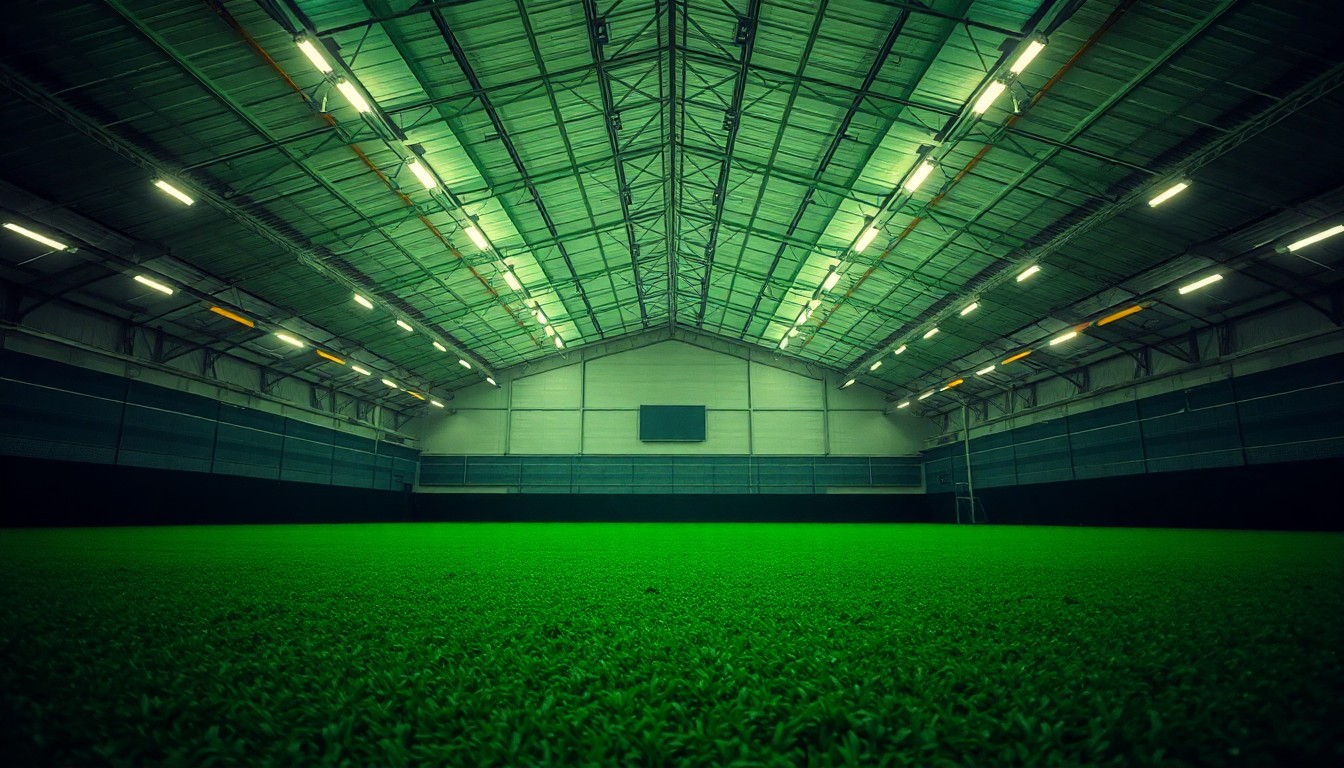
The Definitive Guide to Indoor Sports Turf: Optimizing Performance and Longevity
##?
Indoor sports turf is a high-performance, specialized synthetic surfacing solution engineered to mimic the feel and functional requirements of natural grass while offering superior durability, minimal maintenance, and a consistent, year-round playing surface. The ideal indoor turf selection depends critically on the specific sports played (e.g., soccer, speed and agility, fitness) and the facility’s utilization rate, dictating the necessary fiber type, pile height, and pad system for safety and athletic performance.
2. Deep Dive (Detailed Why and How)
When you are ready to invest in a premium indoor facility, the choice of turf moves beyond aesthetics; it becomes a calculation of athlete safety, maintenance efficiency, and long-term operating costs.The Critical Difference in Indoor Systems
Unlike outdoor installations, indoor turf does not require UV stabilization or built-in drainage. Instead, the focus shifts entirely to performance metrics and subsurface support.
- Performance Characteristics: Indoor turf should offer consistent ball roll (critical for soccer or golf), optimal shock absorption to minimize joint stress, and controlled friction for pivoting and running without excessive grip or slippage. A thin pad layer beneath the turf is often crucial here, providing the necessary energy return and impact cushioning that natural soil would offer outdoors.
- Pile Height and Fiber Density: For multi-use facilities that host high-intensity training, shorter pile heights (40–50 oz face weight) are typically preferred as they stand up better to constant wear and resist matting. Higher-pile turf, while softer, is generally better suited for dedicated low-impact sports or general fitness zones.Infill: The Key to Stability and Hygiene
The type of infill used indoors is vital for player comfort and, more importantly, hygiene. Since ventilation can be a concern, non-toxic, antimicrobial infill options are often essential. * Non-Infill Systems: Newer systems designed for agility and sled work often forgo traditional infill entirely, using denser, shorter fibers mounted directly onto a foam pad. This eliminates infill splash and minimizes maintenance.
- Traditional Infill: When infill is required (often for multi-sport applications like indoor soccer fields), alternatives to crumb rubber are popular due to dust and odor concerns. Sand or specialized acrylic-coated silica granules are commonly used to provide ballast and fiber support.Installation and Subfloor Considerations
A successful indoor installation starts with a perfectly level, clean subfloor, typically concrete. The turf is usually installed in seamless rolls, glued down with specialized polyurethane adhesives to prevent shifting during intensive play. Proper seam work is paramount for preventing tripping hazards and ensuring a cohesive surface.
3. Quick Reference (Bulleted Key Takeaways)
- Subsurface Matters: Indoor turf relies heavily on pad systems (shock pads) for impact cushioning and safety, compensating for the hard concrete subfloor.
- Sport-Specific Selection: Choose a turf type based on your primary activities—shorter pile for heavy functional training, medium pile for ball sports.
- Odor & Hygiene: Utilize antimicrobial infill or non-infill systems to maintain a sanitary and odor-free environment, particularly in high-sweat areas.
- Longevity: Indoor turf generally lasts longer than outdoor turf (15+ years) because it is protected from extreme weather and UV degradation.
4. Strategic Hyperlink
To ensure maximum utilization of your entire facility space, it is crucial to match the surface to the sport. Learn more about the specific requirements for different athletic surfaces by reviewing our guide on choosing the right turf for indoor sports facilities.
Explore Related Turf Resources
Related Turf Guides
- Apartment Patio Turf Solutions: How to Transform Small Spaces Fast
If you’re searching for apartment patio turf solutions, you’re likely asking one core question:
- Commercial Environmental Compliance for Turf: What It Is and Why It Matters Right Now
If you manage or influence any commercial property with turf—corporate campuses, schools, sports fields, HOAs, retail centers—**commercial environmental compliance for turf** is no longer “nice to ...
- Commercial Rooftop Turf: The Fastest Way to Turn Unused Roof Space into Usable Square Footage
If you’re wondering how to transform a bare, hot rooftop into something people actually want to use, commercial rooftop turf solutions are often the most practical starting point.
- Commercial Turf Cost: What You Should Really Expect to Pay
If you’re looking for a fast, realistic answer on **commercial turf cost**, here it is:
- Cool Turf for Play Areas: How to Keep Playground Surfaces Safer and More Comfortable
If you’re searching for **cooler turf for child play areas**, you’re probably worried about one thing first: **heat**.