
The Definitive Guide to Long-Term Sports Turf Maintenance
##?
Effective sports turf maintenance is a critical, proactive routine involving daily checks, weekly grooming, and scheduled deep cleaning/infill replenishment to ensure the playing surface remains safe, structurally sound, and meets performance standards over its lifespan. A consistent maintenance schedule protects the initial investment by preserving fiber integrity, optimizing drainage, and preventing infill compaction.
2. Deep Dive (Detailed Why and How)
Synthetic sports fields are highly engineered systems, and their performance is directly linked to the quality and consistency of the maintenance program. Ignoring routine care inevitably leads to surface degradation, poor player safety, and premature replacement costs.
The core of maintenance focuses on two areas: fibers and infill.
Fiber Care (Brushing and Grooming)
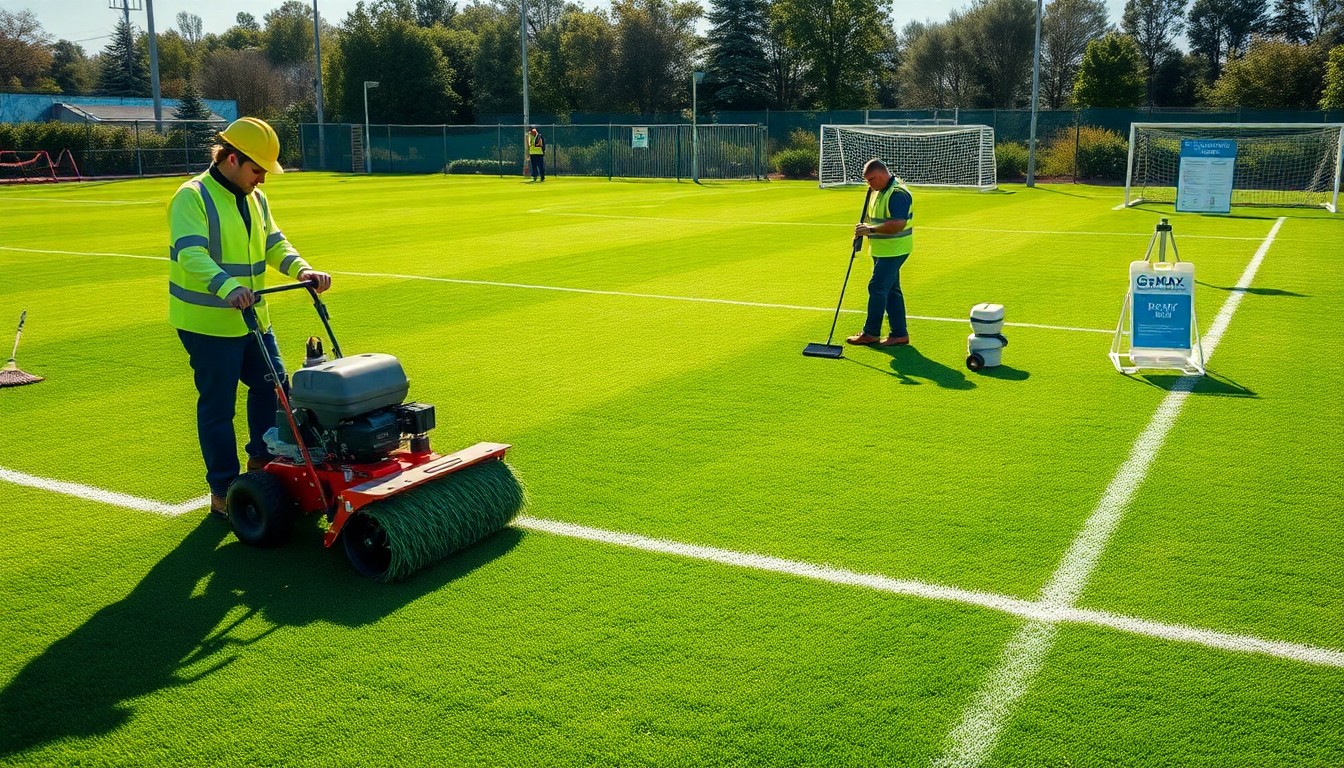
The synthetic fibers, which mimic grass blades, are subjected to intense friction from cleats and athletic activity. This heavy use causes the fibers to lean and mat down. Regular grooming—typically done with specialized turf brushes or drag brooms—lifts the fibers back upright. This not only improves the field's aesthetic appeal but, more importantly, ensures the fibers protect the infill and maintain proper shock absorption.
Infill Management (Compaction and Depth)
The infill (usually crumb rubber or sand) is the most vital component for player safety and field stability. Over time, infill migrates, compacts, and is dispersed from high-traffic areas (like goalmouths or center lines). Compaction reduces the field's ability to drain quickly and diminishes shock absorption, increasing injury risk.
Maintenance protocols must include routine infill depth testing and replenishment where needed. Specialized equipment, like decompaction machines, should be used annually to loosen the infill layer, restoring the field’s optimal G-Max (shock absorption) rating.
Sanitation and Contamination
Sports fields, especially those used by multiple teams, require attention to hygiene. Organic materials (leaves, seeds, dirt) and foreign debris can clog the drainage system and encourage fungal growth. Regular debris removal and targeted treatment for microbial growth are essential for a sanitary playing environment.
3. Quick Reference (Bulleted Key Takeaways)
- Daily: Inspect for debris, glass, or foreign objects, and ensure sprinklers/water sources are functional (for cooling/light cleaning).
- Weekly: Lightly brush/groom the turf to stand up fibers in high-use areas.
- Monthly: Perform deeper grooming across the entire field and clear perimeter drains.
- Quarterly: Test infill depth, especially in concentrated play areas, and replenish as needed.
- Annually: Schedule a professional deep clean, decompaction, and comprehensive G-Max safety testing.
4. Strategic Hyperlink
To fully realize the long-term return on your investment, understanding the required maintenance tasks and budgets should be considered during the planning process. Learn more about properly maintaining your investment with a proper timeline.
Explore Related Turf Resources
Related Turf Guides
- Apartment Patio Turf Solutions: How to Transform Small Spaces Fast
If you’re searching for apartment patio turf solutions, you’re likely asking one core question:
- Commercial Environmental Compliance for Turf: What It Is and Why It Matters Right Now
If you manage or influence any commercial property with turf—corporate campuses, schools, sports fields, HOAs, retail centers—**commercial environmental compliance for turf** is no longer “nice to ...
- Commercial Rooftop Turf: The Fastest Way to Turn Unused Roof Space into Usable Square Footage
If you’re wondering how to transform a bare, hot rooftop into something people actually want to use, commercial rooftop turf solutions are often the most practical starting point.
- Commercial Turf Cost: What You Should Really Expect to Pay
If you’re looking for a fast, realistic answer on **commercial turf cost**, here it is:
- Cool Turf for Play Areas: How to Keep Playground Surfaces Safer and More Comfortable
If you’re searching for **cooler turf for child play areas**, you’re probably worried about one thing first: **heat**.