
The Definitive Guide to Multi-Sport Turf Systems: Maximizing Field Utility and Performance
##?
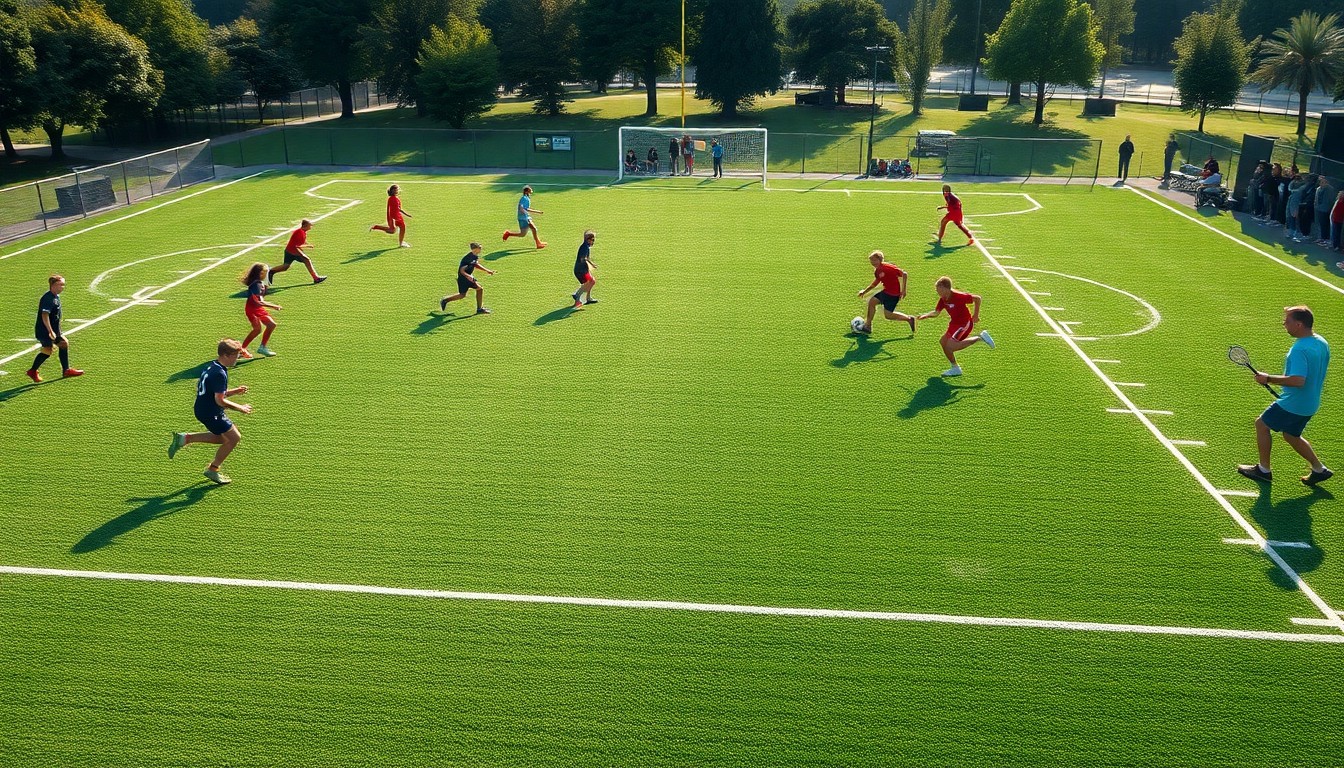
Multi-sport artificial turf systems are high-performance synthetic surfaces engineered to safely and effectively accommodate diverse athletic activities—from soccer and football to field hockey and lacrosse—all on a single, continuously playable field. These systems utilize specialized fiber blends, infills, and padding to meet the safety and performance specifications required by multiple sports organizations, offering facility managers unparalleled scheduling flexibility and reduced maintenance overhead.
2. Deep Dive (Detailed Why and How)
What makes a turf system truly "Multi-Sport"? It comes down to balancing competing performance needs.
A dedicated baseball field might require a tight, low pile, while a football field demands better shock absorption and energy return for high-impact tackles. A genuine multi-sport system is designed to achieve a high-quality equilibrium, ensuring consistent ball roll, traction, and fall protection regardless of the game being played.
This adaptability eliminates the costly and time-consuming practice of maintaining, repairing, or even converting separate fields for different teams. For institutions and municipalities facing budget constraints and high usage demands, consolidating activities onto one premium artificial surface represents a significant operational advantage.
Key to the system's success is its construction. High-quality multi-sport turf often features a combination of durable polyethylene fibers and specific infill materials (like rubber crumb or specialized sands) to control the field’s firmness and shock absorption metrics. The goal is to meet critical G-Max scores and rotational resistance standards across the board.
In regions with unpredictable weather, uninterrupted play is paramount. Natural grass fields often become unplayable mud pits or hard, damaged surfaces after heavy rain or intensive use. Synthetic multi-sport fields, however, require robust, efficient subsurface drainage. This superior capacity ensures that even after a major storm, the field is often ready for use within minutes, maximizing practice and game time. Understanding proper field construction, particularly for high-volume use, requires careful attention to the specific needs of the turf's foundation and system for optimal performance and longevity.
3. Quick Reference (Bulleted Key Takeaways)
- Maximum Utility: Safely hosts multiple sports (soccer, football, lacrosse, etc.) on one field.
- Reduced Maintenance: Eliminates mowing, watering, fertilizing, and seasonal field repair costs.
- All-Weather Play: Superior drainage ensures the field remains playable immediately after rain.
- Consistent Performance: Engineered infill and fiber density provide uniform traction and shock absorption for all approved sports.
- Long-Term Asset: Represents a strategic investment that maximizes facility scheduling and lifespan.
4. Strategic Hyperlink
The longevity and safety of a multi-sport surface are deeply tied to its ability to handle water quickly and efficiently. For a deeper understanding of this crucial infrastructure component, review our guide on the drainage for multi-sport turf systems.
Explore Related Turf Resources
Related Turf Guides
- Apartment Patio Turf Solutions: How to Transform Small Spaces Fast
If you’re searching for apartment patio turf solutions, you’re likely asking one core question:
- Commercial Environmental Compliance for Turf: What It Is and Why It Matters Right Now
If you manage or influence any commercial property with turf—corporate campuses, schools, sports fields, HOAs, retail centers—**commercial environmental compliance for turf** is no longer “nice to ...
- Commercial Rooftop Turf: The Fastest Way to Turn Unused Roof Space into Usable Square Footage
If you’re wondering how to transform a bare, hot rooftop into something people actually want to use, commercial rooftop turf solutions are often the most practical starting point.
- Commercial Turf Cost: What You Should Really Expect to Pay
If you’re looking for a fast, realistic answer on **commercial turf cost**, here it is:
- Cool Turf for Play Areas: How to Keep Playground Surfaces Safer and More Comfortable
If you’re searching for **cooler turf for child play areas**, you’re probably worried about one thing first: **heat**.