
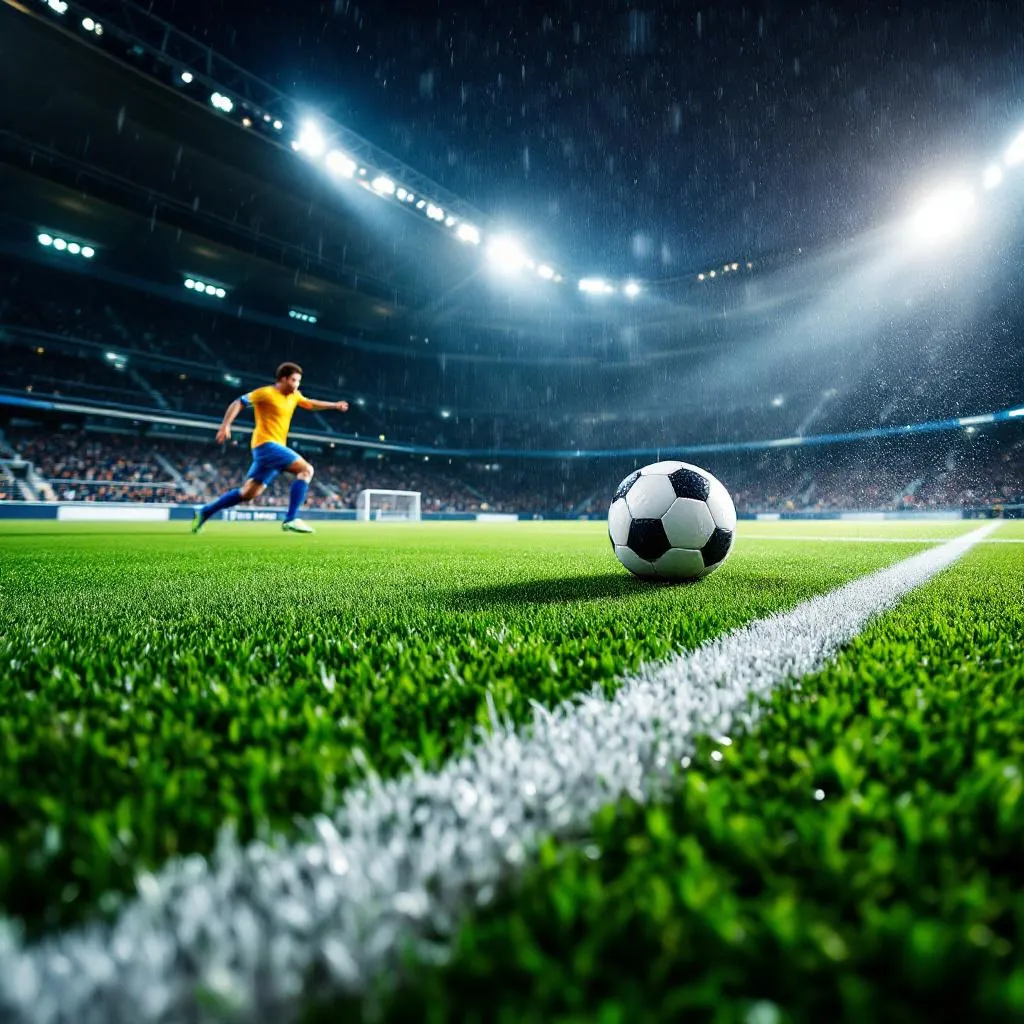
The Definitive Guide to Professional Synthetic Soccer Field Turf
##?
Professional-grade synthetic soccer field turf is specifically engineered to meet FIFA standards for shock absorption, rotational resistance, and reliable ball roll, ensuring a consistent, high-performance playing surface in all weather conditions. This specialized turf minimizes maintenance costs, provides long-term durability, and maximizes field utility for year-round training and matches.
2. Deep Dive (Detailed Why and How)
The choice of turf for a soccer pitch is critical, influencing player safety, game performance, and facility operating costs. Modern soccer field turf utilizes advanced fiber technologies, typically long-pile polyethylene, designed to replicate the feel and shock absorption of natural grass while offering superior resilience.
Unlike turf designed for other sports, soccer turf requires a balance of vertical stability (to prevent ankle roll) and horizontal give (for sliding and quick pivots). This balance is achieved through precise fiber density, pile height (often 50mm to 65mm), and the quality of the infill system.
The infill—a blend of rubber crumb and silica sand—is perhaps the most crucial component. It protects the fiber, cushions player impact, and controls the speed and trajectory of the ball. A well-maintained infill ensures the field remains firm yet forgiving, a non-negotiable requirement for competitive play.
Furthermore, synthetic fields address the perennial problem of poor drainage. High-quality turf backings feature efficient perforation systems that allow massive volumes of water to drain rapidly, meaning practices and games are rarely canceled due to rain, which is a major advantage for busy sports organizations.
This material durability translates into significant long-term savings. The cost of weekly mowing, reseeding, painting, and large-scale irrigation systems required by natural grass is eliminated. While the upfront investment is substantial, the 24/7 usability and drastically reduced operational expenditures provide a measurable return over the field’s lifespan.
3. Quick Reference (Bulleted Key Takeaways)
- Performance: Engineered for professional ball roll and reliable player footing.
- Safety Standards: Meets shock absorption and rotational resistance requirements for injury mitigation.
- Durability: Withstands intense, year-round use and heavy weather without degradation.
- Infill System: Specialized infill (sand/rubber) is essential for cushion and fiber protection.
- Maintenance: Eliminates recurring costs of water, mowing, chemicals, and field painting.
4. Strategic Hyperlink
To understand the engineering considerations specific to different field sports, review our analysis on how soccer field turf compares to football turf.
Explore Related Turf Resources
Related Turf Guides
- Apartment Patio Turf Solutions: How to Transform Small Spaces Fast
If you’re searching for apartment patio turf solutions, you’re likely asking one core question:
- Commercial Environmental Compliance for Turf: What It Is and Why It Matters Right Now
If you manage or influence any commercial property with turf—corporate campuses, schools, sports fields, HOAs, retail centers—**commercial environmental compliance for turf** is no longer “nice to ...
- Commercial Rooftop Turf: The Fastest Way to Turn Unused Roof Space into Usable Square Footage
If you’re wondering how to transform a bare, hot rooftop into something people actually want to use, commercial rooftop turf solutions are often the most practical starting point.
- Commercial Turf Cost: What You Should Really Expect to Pay
If you’re looking for a fast, realistic answer on **commercial turf cost**, here it is:
- Cool Turf for Play Areas: How to Keep Playground Surfaces Safer and More Comfortable
If you’re searching for **cooler turf for child play areas**, you’re probably worried about one thing first: **heat**.