
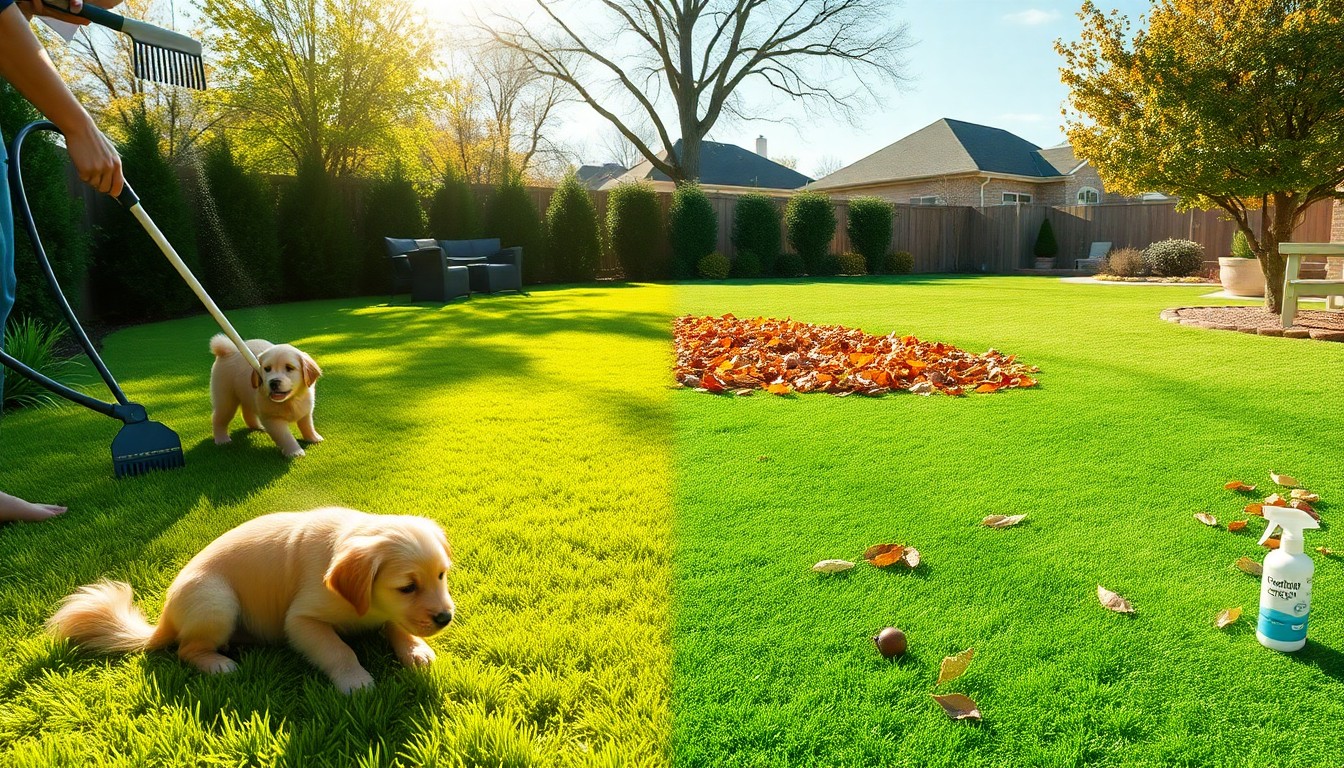
The Definitive Guide to Seasonal Pet Turf Tips
##?
To maintain the performance and aesthetic appeal of pet-friendly artificial turf year-round, homeowners must adjust their cleaning and care routine based on seasonal conditions. This includes intensifying rinsing and odor control efforts during hot Texas summers, ensuring proper drainage maintenance during wet periods, and checking for seasonal debris accumulation to preserve the turf's integrity and hygiene.
2. Deep Dive (Detailed Why and How)
Spring: Preparing for Peak Usage
Spring marks the transition to heavy outdoor use for both families and pets. The focus shifts to deep cleaning and preparation.
Begin with a thorough brushing against the grain of the fibers using a synthetic brush or rake. This lifts compacted blades after the winter months, improving both appearance and drainage efficiency.
Since spring brings pollen and increased humidity, deep rinse the turf weekly to wash away allergens and prevent mildew growth, paying close attention to areas where pet waste accumulates. Re-evaluate your antimicrobial infill levels, as spring rains can cause some settling or minor washout.Summer: Managing Heat and Odor
The intense DFW summer heat is the biggest challenge for pet turf. The heat can amplify odors and increase the surface temperature of the fibers.
To mitigate odors, increase your rinsing frequency. Even if your pet only uses one area, a daily light rinse of that spot is necessary to push urine fully through the infill and sub-base before it can concentrate and produce noticeable smells in the heat.
For cooling, consider lightly misting the turf before outdoor play. If your turf utilizes T°Cool or a similar evaporative cooling infill, activating it with water is essential to keep the surface safe and comfortable for paws. For more detailed advice on handling intense heat, learn about maintaining pet turf during dry seasons.Fall: Debris and Drainage Check
As trees shed leaves and the weather becomes wetter, the primary concern is debris management and drainage clarity.
Regularly remove all leaves, acorns, and other organic matter immediately. Allowing them to decompose on the turf surface can block the critical drainage holes in the backing, trapping moisture and bacteria, which can lead to mold or odor issues.
Check your perimeter drainage channels and ensure they are free of mulch or dirt that could impede runoff from the turf area.Winter: Low Maintenance, High Vigilance
Winter generally requires the least maintenance, but vigilance is still necessary, especially during rare freezing events or prolonged wet spells.
If light snow or frost occurs, allow it to melt naturally. Do not use sharp tools or chemicals to scrape ice, as this can damage the fibers and backing.
Ensure that the pet waste areas remain clean, as colder temperatures may temporarily mask odors that will quickly reappear once the temperature rises.
3. Quick Reference (Bulleted Key Takeaways)
- Spring: Deep brush fibers, rinse weekly to remove pollen/dirt, check infill levels.
- Summer: Rinse pet areas daily for odor control, activate cooling infill with light misting.
- Fall: Promptly remove all organic debris (leaves, acorns) to maintain drainage.
- Winter: Allow snow/ice to melt naturally; avoid scraping or harsh chemicals.
- Year-Round Tip: Use bio-enzymatic cleaner quarterly or as needed to break down organic matter in the sub-base.
4. Strategic Hyperlink
Pet turf is an investment in year-round yard functionality and beauty. For DFW residents, managing water consumption and understanding how seasonal changes impact your lawn is crucial. To ensure your turf remains in peak condition and maximizes water conservation even when actively cooling the surface, review our guide on the maintaining pet turf during dry seasons.
Explore Related Turf Resources
Related Turf Guides
- Antimicrobial Turf Benefits: What It Is, Why It Matters, and How Infill & Materials Affect Performance
If you’re wondering whether antimicrobial turf is really worth paying attention to, here’s the short answer:
- Best Turf Materials For Pools
The Definitive Guide to Best Turf Materials for DFW Pool Areas1. Direct Answer Intro (Featured Snippet Optimized)The best artificial turf materials for pool surrounds are high-grade, flow-through ...
- Can artificial turf provide a safer, cleaner, and more durable playground surface for daycares?
Yes, artificial turf is widely recognized as the superior surfacing choice for daycare and educational playgrounds, providing a consistently safe, antimicrobial, and low-maintenance environment tha...
- Custom Putting Green Design: Transforming Your Backyard into a Personal Training Facility
Custom Putting Green Design: Transforming Your Backyard into a Personal Training Facility1. Direct Answer Intro (Featured Snippet Optimized)
- Diy Vs Professional Pet Turf Installation
The decision between a DIY pet turf installation and hiring a professional comes down to balancing cost savings against specialized expertise in drainage, base preparation, and selecting pet-specif...