
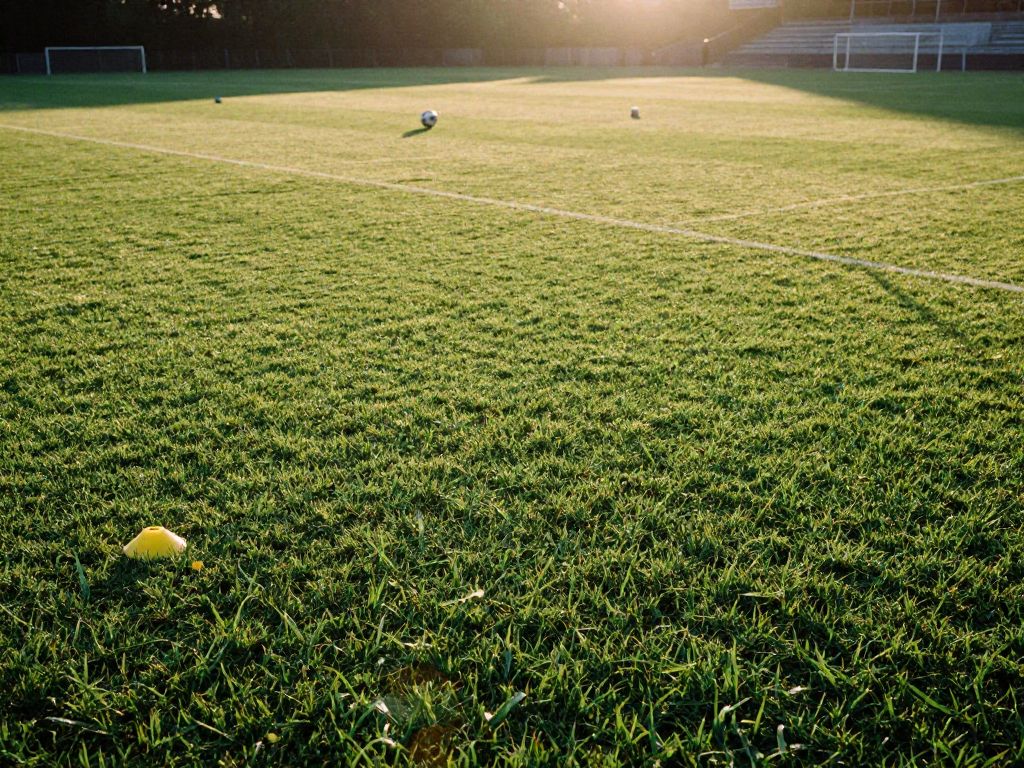
The Definitive Guide to Sports Turf Fiber Types
##?
The primary fiber types used in modern synthetic sports turf are Polyethylene, Polypropylene, and Nylon. Selecting the correct fiber is critical as it determines the field's performance characteristics, including durability, softness (player comfort), UV stability, and the level of required shock absorption. For facilities and organizations making a capital investment, understanding the material science behind each fiber ensures the chosen turf meets specific sport requirements and longevity expectations.
2. Deep Dive (Detailed Why and How)
When designing a world-class athletic surface, the choice of fiber material dictates nearly every aspect of player safety and field longevity. Synthetic turf fibers are engineered plastics, each offering a unique balance of traits.
Polyethylene (PE) Polyethylene is the most common fiber used today, particularly in fields designed for sports like football, soccer, and baseball. Its defining characteristic is its softness, which is crucial for reducing skin abrasions during slides and falls. PE fibers also offer a realistic aesthetic and excellent resilience, bouncing back after compression. It provides a good balance between durability and player comfort, making it the industry standard for multi-use fields.
Polypropylene (PP) Polypropylene is known for its durability and strength. Historically, it was a major component in turf, but it is inherently stiffer than polyethylene. While this stiffness provides excellent wear resistance, it can increase the risk of "turf burn." PP is often used in conjunction with other fibers or for low-pile, less visually critical applications where sheer toughness is the priority.
Nylon Nylon is the strongest and most expensive of the three primary fiber types. It possesses superior memory and resists being crushed, meaning it maintains its upright position under heavy use. However, Nylon is the stiffest fiber, offering the lowest comfort level, and it tends to absorb heat more readily. For these reasons, Nylon is most commonly reserved for specialized, high-impact training areas or batting cage mats where blade resilience is paramount, rather than being used for full field installations.
Choosing between these fibers is a delicate optimization problem. A soccer field prioritizes player comfort (Polyethylene), while a specialized training center might require the unmatched structural integrity of Nylon. Furthermore, the selection of the fiber type has a direct impact on the safety sub-layers required beneath the turf surface.
3. Quick Reference (Bulleted Key Takeaways)
- Polyethylene (PE): Best balance of softness, realism, and resilience. Ideal for primary sports fields.
- Polypropylene (PP): Highest durability and stiffness; often used for low-traffic or highly specific applications.
- Nylon: Maximum strength and structural memory; used in specialized high-impact zones like training areas.
- Pile Height & Density: These structural factors must be matched to the fiber type to achieve optimal performance and longevity.
4. Strategic Hyperlink
The tensile strength and flexibility of the turf fiber directly influence the force reduction required by the underlayment system. To ensure your investment meets critical safety standards and performance benchmarks, review our guide on how turf fiber types affect required shock absorption.
Explore Related Turf Resources
Related Turf Guides
- Apartment Patio Turf Solutions: How to Transform Small Spaces Fast
If you’re searching for apartment patio turf solutions, you’re likely asking one core question:
- Commercial Environmental Compliance for Turf: What It Is and Why It Matters Right Now
If you manage or influence any commercial property with turf—corporate campuses, schools, sports fields, HOAs, retail centers—**commercial environmental compliance for turf** is no longer “nice to ...
- Commercial Rooftop Turf: The Fastest Way to Turn Unused Roof Space into Usable Square Footage
If you’re wondering how to transform a bare, hot rooftop into something people actually want to use, commercial rooftop turf solutions are often the most practical starting point.
- Commercial Turf Cost: What You Should Really Expect to Pay
If you’re looking for a fast, realistic answer on **commercial turf cost**, here it is:
- Cool Turf for Play Areas: How to Keep Playground Surfaces Safer and More Comfortable
If you’re searching for **cooler turf for child play areas**, you’re probably worried about one thing first: **heat**.