
The Definitive Guide to Synthetic Turf Shock Pad Requirements
##?
Shock pad requirements for sports turf are primarily defined by safety standards like Critical Fall Height (CFH) and GMax ratings, which dictate the necessary pad thickness and density to mitigate player impact forces and prevent serious injuries. For sports fields and playgrounds, the shock pad acts as a crucial supplemental layer beneath the turf, engineered to ensure long-term performance, extended field lifespan, and compliance with rigorous safety benchmarks.
2. Deep Dive (Detailed Why and How)
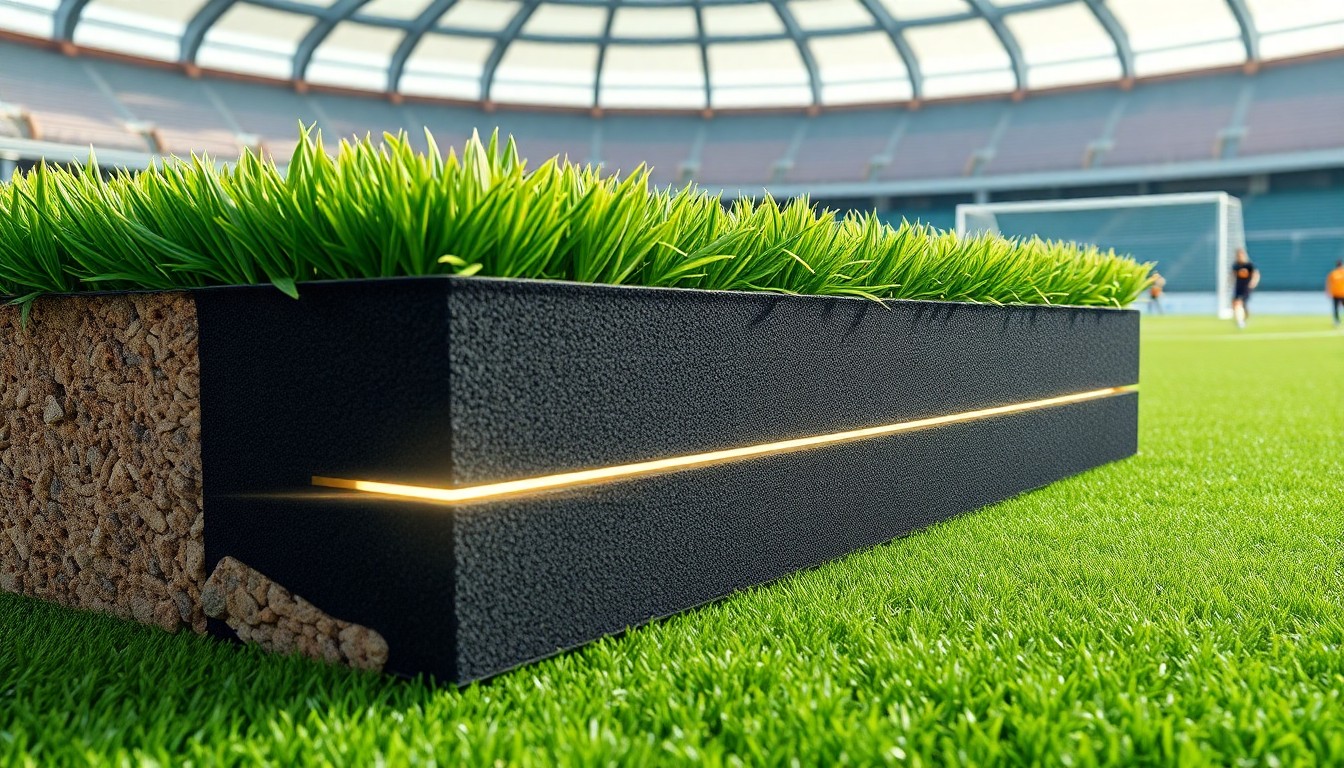
A shock pad is a high-density, recycled foam layer installed beneath the synthetic turf carpet. Its primary function is twofold: player protection and surface performance retention.Understanding Player Protection: CFH and GMax
Safety standards are the core driver of shock pad requirements.
- Critical Fall Height (CFH): This measurement is essential for playground and recreational turf, defining the maximum height from which a fall is unlikely to result in a life-threatening head injury. Shock pad thickness directly correlates with CFH ratings; thicker pads (e.g., 25mm, 45mm, or 50mm) provide protection for higher fall zones.
- GMax Rating: GMax is the standard measurement for a surface's shock-absorbing properties in sports fields. It quantifies the amount of force a player experiences upon impact with the ground. Shock pads are integral to maintaining an optimal GMax rating—one that is low enough to prevent injury but high enough to avoid creating a surface that is too soft, which can lead to player fatigue.The Role in Turf Longevity and Performance
While safety is paramount, shock pads also serve a critical structural and financial role.
By acting as a buffer between the turf fibers and the stone base, the pad absorbs repeated pressure from foot traffic and heavy equipment. This absorption helps prevent the turf fibers from matting or wearing down prematurely, which can extend the warranty and usable life of the synthetic field system, often beyond the typical eight-year lifespan of turf alone.
Furthermore, shock pads contribute to consistent sports performance. They help the field retain its vertical deformation and energy restitution characteristics over time, ensuring a predictable playing surface regardless of weather or usage intensity. They are also often required in fields without infill or in turf systems designed specifically for pet use, where excellent non-absorbing drainage is necessary.
3. Quick Reference (Bulleted Key Takeaways)
- Primary Function: To increase shock absorption (lower GMax) and meet certified Critical Fall Height (CFH) safety requirements.
- Thickness Matters: Pad thickness (e.g., 10mm to 75mm+) is chosen based on the required CFH for the specific area (e.g., higher pads for playground climbing equipment).
- GMax Compliance: Shock pads ensure the playing surface maintains a safe and consistent GMax rating throughout the life of the field.
- Durability and ROI: They extend the lifespan of the synthetic turf system by absorbing impact and preventing premature fiber wear.
4. Strategic Hyperlink
Understanding how shock pads interact with the rest of the system is vital for making an informed decision about your sports surface investment. Learn more about how the layer above the pad contributes to field functionality by exploring our guide on the The importance of shock pad requirements.
Explore Related Turf Resources
Related Turf Guides
- Apartment Patio Turf Solutions: How to Transform Small Spaces Fast
If you’re searching for apartment patio turf solutions, you’re likely asking one core question:
- Commercial Environmental Compliance for Turf: What It Is and Why It Matters Right Now
If you manage or influence any commercial property with turf—corporate campuses, schools, sports fields, HOAs, retail centers—**commercial environmental compliance for turf** is no longer “nice to ...
- Commercial Rooftop Turf: The Fastest Way to Turn Unused Roof Space into Usable Square Footage
If you’re wondering how to transform a bare, hot rooftop into something people actually want to use, commercial rooftop turf solutions are often the most practical starting point.
- Commercial Turf Cost: What You Should Really Expect to Pay
If you’re looking for a fast, realistic answer on **commercial turf cost**, here it is:
- Cool Turf for Play Areas: How to Keep Playground Surfaces Safer and More Comfortable
If you’re searching for **cooler turf for child play areas**, you’re probably worried about one thing first: **heat**.