
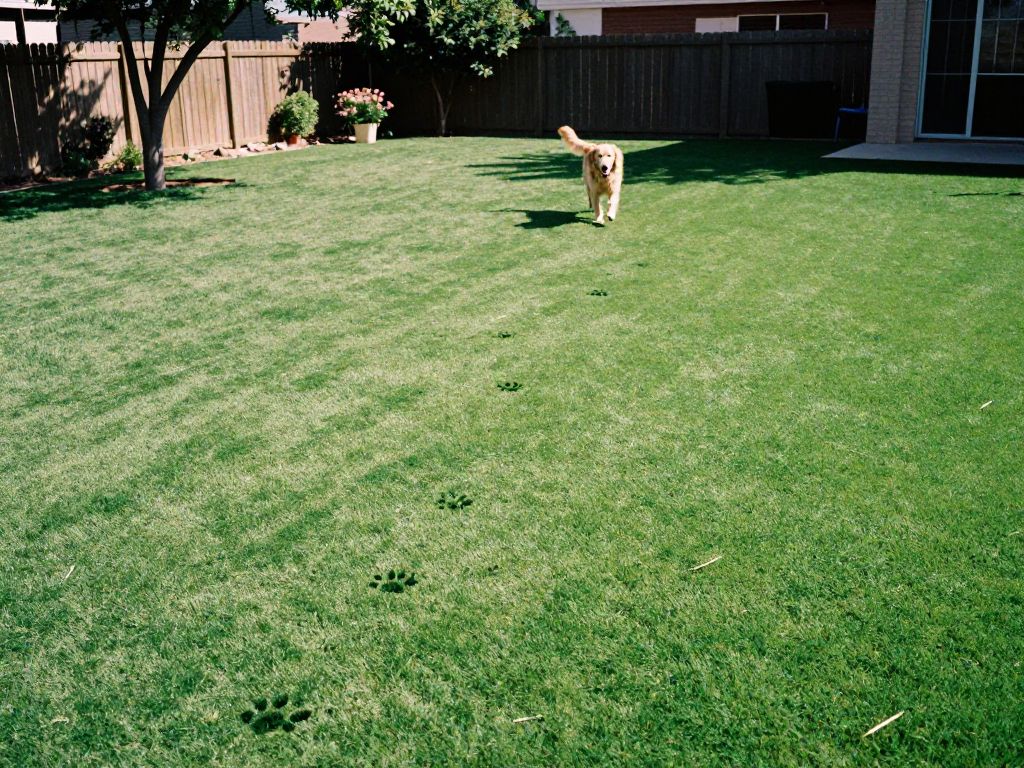
Turf for Dog Runs: Best Turf Options for Dog Runs (and How to Choose)
If you’re searching for the best turf options for dog runs, you’re probably asking one core question:
“What kind of surface will keep my dog comfortable, my yard cleaner, and my life easier—without turning into a muddy, smelly mess?”
For most people, the answer is some form of pet-friendly turf—usually high-quality artificial grass designed specifically for dogs.
Before any details, here’s the bottom line:
- Best overall option for most dog runs:
High-quality pet-friendly artificial turf with:- Short to medium pile height (around 1"–1.25")
- Dense, durable fibers
- Permeable backing for drainage
- Antimicrobial or easy-to-clean design
- Alternatives: Natural grass with heavy reinforcement, decomposed granite, pea gravel, rubber mulch—but each comes with trade-offs like mud, odor, or wear.
Once you understand how turf for dog runs works and what makes it pet-friendly, it becomes much easier to choose the right setup for your space and your dog.
Why Turf for Dog Runs Is So Popular Right Now
Turf for dog runs is booming because it solves a cluster of everyday problems:
- No more mud: Dogs can’t track in wet soil after rain.
- Consistent surface: No dead patches, no holes, less slipping.
- Cleaner paws and fur: Less dirt and debris indoors.
- Less yard damage: Dogs can sprint, zoom, and dig less destructively.
- Easier waste management: Solid waste is easier to spot and clean; good drainage helps with urine.
For many dog owners, switching to pet-friendly turf in the run or play area becomes the turning point between “constantly fighting my yard” and “finally in control.”
What Makes Turf “Pet-Friendly” for Dog Runs?
Not all turf is created equal. Turf designed for landscaping or sports fields isn’t automatically the best artificial grass for dog runs.
When you see “pet-friendly turf,” it usually means:
-
Durability for claws and rough play
- Dense, tough fibers that resist flattening and tearing
- Backing that can handle running, skidding, and occasional digging
-
Superior drainage
- Permeable backing that lets urine and rain pass through quickly
- Prevents puddling, odors, and bacteria buildup
-
Easy to clean
- Fibers that release solid waste easily
- Compatible with rinsing, enzyme cleaners, and light disinfectants
-
Comfortable for paws
- Safe, non-abrasive fiber
- Pile height that feels natural but doesn’t mat or trap debris
-
Safer, more hygienic surface
- Some turfs feature antimicrobial properties or infills
- Easier to maintain a cleaner environment compared to dirt or worn grass
When you’re evaluating the best turf options for dog runs, these “pet-friendly” traits should be your top priority.
Best Turf Options for Dog Runs: A Quick Comparison
There are several surface options you might consider for a dog run. Here’s how they compare when you’re looking specifically at best turf options for dog runs and alternatives:
| Surface Type | Pros | Cons | Best For |
|---|---|---|---|
| Pet-friendly artificial turf | Low maintenance, no mud, durable, clean look | Higher upfront cost, needs proper install & drainage | Most homeowners & dog facilities |
| Standard landscaping turf | Looks good initially, similar feel | May flatten, hold odors, poor drainage | Low-traffic, budget-conscious setups |
| Natural grass (reinforced) | Real grass, cooler surface | Wears out, mud, patchy spots | Small dogs, low traffic |
| Pea gravel or small stone | Good drainage, inexpensive to install | Can be uncomfortable; some dogs chew or dig | Utility runs, non-sensitive paws |
| Decomposed granite / fines | Good drainage, natural look | Dusty, can compact, may track inside | Dry climates, rustic look |
| Rubber mulch | Soft, decent drainage | Can retain heat, can be ingested, moves around | Smaller contained areas only |
For a dedicated run that needs to balance comfort, cleanliness, durability, and aesthetics, pet-friendly artificial turf generally comes out on top.
Key Features to Look for in Turf for Dog Runs
When you’re comparing specific best turf options for dog runs, focus on the features that affect daily life with your dog.
1. Pile Height
- Ideal range: ~1" to 1.25"
- Why it matters:
- Shorter pile is easier to clean and less likely to mat
- Tall, lush turf looks great but can trap odors and debris
2. Fiber Type and Density
- Dense, durable fibers are critical for:
- Heavy traffic
- Dogs that like to skid, zoom, or pivot
- Soft but tough fibers help prevent:
- Paw irritation
- Fibers breaking or fraying over time
3. Drainage and Backing
Look for backing specifically designed for pet use:
- Permeable or fully perforated backing
- Good drainage rate (often expressed in inches/hour or gallons/minute)
- Minimal “pooling” to reduce odor and bacteria
4. Infill Choices
Infill helps blades stand up and can influence comfort and temperature.
Common options:
- Silica sand: Affordable, stable, but can retain some heat
- Zeolite-based infill: Helps absorb and reduce urine odor
- Organic or specialty pet infills: Designed for cooling and odor control
When you’re focused on best turf options for dog runs, pet-focused infills can make a noticeable difference in odor and comfort.
5. Heat Considerations
Artificial turf can get warmer than natural grass in direct sun.
To manage this:
- Choose lighter-colored or cooling-focused blades and infills
- Provide shade (sails, trees, covered areas)
- Rinse down turf in extreme heat
- Limit mid-day playtime on very hot days
6. Safety and Non-Toxic Materials
- Ensure turf is lead-free and tested for safety
- Look for manufacturers who provide safety certifications or transparency about materials
Designing a Dog Run with Pet-Friendly Turf
The best turf in the world won’t perform well if the overall dog run design isn’t thought through.
Size and Layout
- Aim for enough length for your dog to trot or run:
- Long and narrow often works better than a small square
- Consider:
- Multiple access points
- A quiet area for resting
- A space for bathroom breaks if separate from play
Drainage Planning
Good drainage is critical for turf for dog runs:
- Slight slope away from structures
- Proper base (gravel or crushed rock) underneath the turf
- No low spots where water and urine could pool
Shade and Comfort
- Add trees, shade sails, or a roofed section
- Provide a cool resting area (elevated bed, shaded corner)
- Keep water accessible at all times
Fencing and Safety
- Secure fencing appropriate to your dog’s size and jumping ability
- No sharp edges or protrusions near the turf
- Gates that latch securely but are easy for humans to use
Maintenance: Keeping Turf for Dog Runs Clean and Fresh
The best turf options for dog runs are those you can realistically maintain.
Daily / Frequent Tasks
- Remove solid waste promptly
- Quick visual check for debris (sticks, toys, foreign objects)
Weekly Tasks
- Rinse the turf in high-use areas
- Use hose spray to encourage drainage and reduce odor
- Light brushing to keep fibers standing up
Monthly or As-Needed Tasks
- Apply enzyme-based cleaners to break down organic residues
- Deodorize with pet-safe products if needed
- Inspect seams and edges to ensure everything is secure
With a simple routine, pet-friendly turf for dog runs can stay cleaner and more hygienic than many natural yards, especially in high-traffic areas.
Dog Behavior and Turf: What to Expect
Most dogs adapt to turf for dog runs quickly, but a few behaviors are worth considering.
Digging
- Some dogs try to dig near the edges initially
- Good installation (secure edges, proper base) helps prevent damage
- Provide designated digging areas (like a sandbox) if your dog loves to dig
House-Training and “Bathroom Preference”
- Some dogs instantly accept turf as a bathroom area
- Others may need:
- A bit of training and positive reinforcement
- A transitional period, especially if they’re used to soil or specific textures
Chewing
- Most dogs ignore turf fibers
- If you have a dedicated chewer:
- Supervise at first
- Provide plenty of chew toys as alternatives
How Turf for Dog Runs Compares to Turf for Dog Parks
The same principles that make turf for dog runs work also apply to larger-scale spaces like dog parks and multi-dog play areas.
If you’re planning or curious about bigger shared spaces, explore how turf for dog parks is selected and designed. Many of the best artificial grass for dog runs features—high drainage, durability, and pet-friendly infills—are scaled up and stress-tested in dog parks before being brought into home environments.
Understanding what works well in demanding public settings can give you extra confidence in your choices for a private dog run.
FAQs: Turf for Dog Runs & Pet-Friendly Turf
| Question | Answer |
|---|---|
| What is the best turf option for a dog run? | For most people, the best option is pet-specific artificial turf with good drainage, short-to-medium pile height (~1"–1.25"), durable fibers, and a pet-friendly infill that helps control odor. |
| Is artificial turf safe for dogs? | High-quality, pet-safe turf is designed to be non-toxic and durable. Look for products that are lead-free and tested for safety, and use pet-safe cleaners and infills. |
| Does dog urine ruin turf? | With proper drainage and maintenance, dog urine won’t ruin turf. The key is a permeable backing, a good base, and occasional rinsing and deodorizing to prevent odor buildup. |
| How do I clean turf in my dog run? | Pick up solid waste daily Rinse high-use areas regularly Use enzyme cleaners for deeper odor control Brush fibers occasionally to keep them upright |
| Will my dog overheat on artificial turf? | Artificial turf can get warm in full sun. Reduce risk by providing shade, using cooling-focused infills, rinsing the turf on hot days, and limiting intense activity during peak heat. |
| Can dogs dig through artificial turf? | A properly installed system with a compacted base and well-secured edges is difficult for most dogs to dig through. Persistent diggers may need supervision and alternative digging areas. |
| How long does turf for dog runs last? | Quality pet-friendly turf can last 10–15 years or more, depending on usage, installation quality, and maintenance. |
| Is turf better than gravel or mulch for dog runs? | For many owners, yes. Turf often feels better on paws, looks cleaner, reduces mud and dust, and can be easier to clean and maintain than gravel or mulch, especially in high-traffic areas. |
By focusing on pet-friendly turf specifically designed for dogs—and comparing the best turf options for dog runs based on drainage, durability, and comfort—you can create a dog run that works better for both you and your dog, day after day.
Explore Related Turf Resources
Related Turf Guides
- Antimicrobial Turf Benefits: What It Is, Why It Matters, and How Infill & Materials Affect Performance
If you’re wondering whether antimicrobial turf is really worth paying attention to, here’s the short answer:
- Best Turf Materials For Pools
The Definitive Guide to Best Turf Materials for DFW Pool Areas1. Direct Answer Intro (Featured Snippet Optimized)The best artificial turf materials for pool surrounds are high-grade, flow-through ...
- Can artificial turf provide a safer, cleaner, and more durable playground surface for daycares?
Yes, artificial turf is widely recognized as the superior surfacing choice for daycare and educational playgrounds, providing a consistently safe, antimicrobial, and low-maintenance environment tha...
- Custom Putting Green Design: Transforming Your Backyard into a Personal Training Facility
Custom Putting Green Design: Transforming Your Backyard into a Personal Training Facility1. Direct Answer Intro (Featured Snippet Optimized)
- Diy Vs Professional Pet Turf Installation
The decision between a DIY pet turf installation and hiring a professional comes down to balancing cost savings against specialized expertise in drainage, base preparation, and selecting pet-specif...