
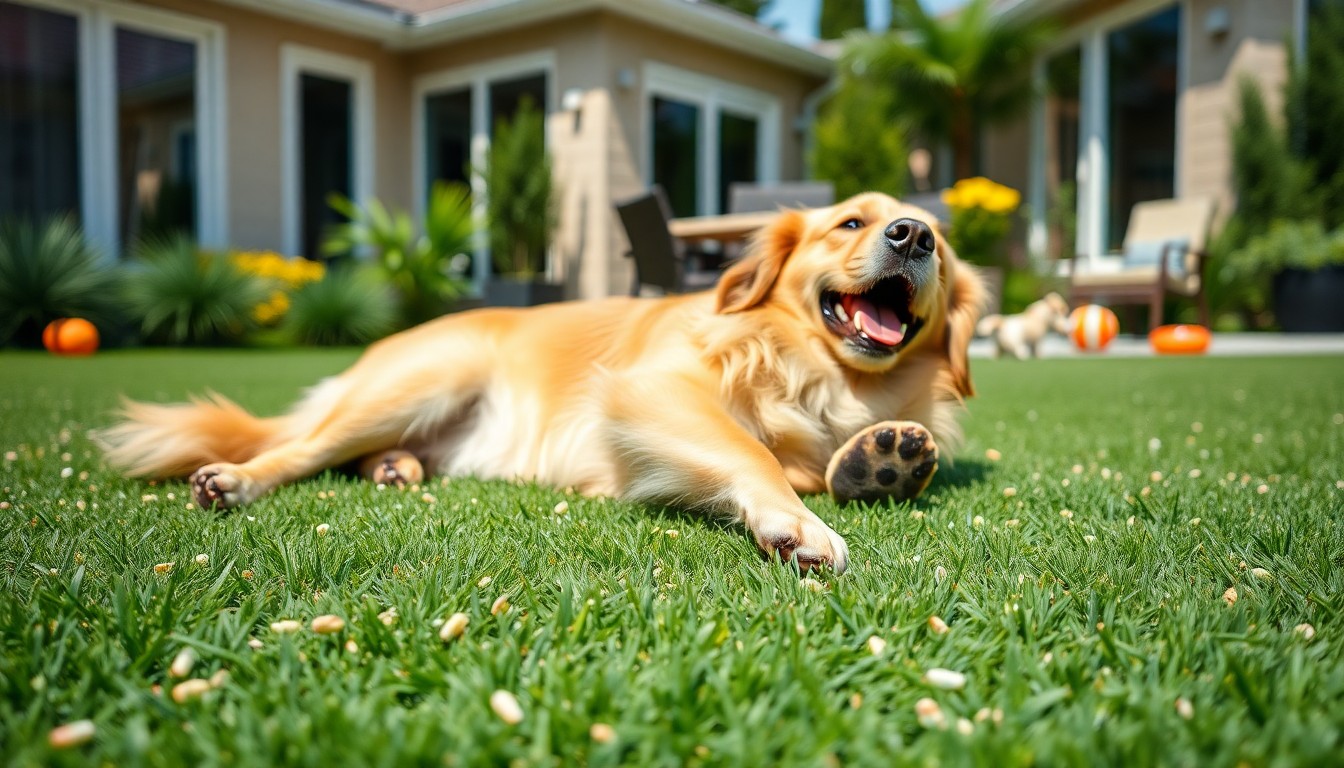
What is the best infill for artificial pet turf?
The best infill for artificial pet turf is often a non-toxic, odor-neutralizing option like treated silica sand, TPE (thermoplastic elastomer), or specialized acrylic-coated quartz. These materials provide essential ballast, protect the turf fibers, and manage drainage and pet odors far more effectively than traditional silica or crumb rubber.
Understanding Why Infill is Crucial for Pet Turf
For homeowners with dogs, simply installing artificial grass is only half the battle; the infill choice is critical for long-term enjoyment, hygiene, and performance. Standard infills are insufficient when dealing with pet waste.
Pet turf requires infill that can rapidly drain liquid waste while inhibiting the growth of odor-causing bacteria. Without the right infill, pet urine collects in the backing and the turf becomes difficult to sanitize, leading to persistent, unpleasant smells.
Specialized pet-safe infills solve this problem. Materials like Zeolite-based products or antimicrobial-coated sand absorb ammonia molecules (the main component of urine odor) before they can turn into gas. This process neutralizes the smell at its source, making maintenance much simpler.
Additionally, infill protects the turf fibers from the wear and tear associated with pets. High-density polyethylene turf paired with a quality infill provides a durable, stable surface that resists matting, even under heavy dog traffic and play. It ensures the turf maintains its vibrant look and soft feel for years.
The ideal infill also helps regulate temperature. While turf can get warm in direct sunlight, specialized infills can prevent the surface from becoming excessively hot for paws. They help dissipate heat better than dense rubber alternatives.
Quick Reference (Bulleted Key Takeaways) * Odor Neutralization: Choose infill specifically formulated to absorb and neutralize ammonia from pet urine.
- Safety First: Ensure the material is non-toxic and contains no heavy metals or harmful chemicals.
- Fiber Protection: Infill acts as a buffer, preventing turf blades from being crushed by foot traffic and dog activity.
- Improved Drainage: Look for products that facilitate rapid, efficient liquid flow through the turf's backing.
- Temperature Management: Certain infills can help keep the turf cooler on hot days.The selection process is a balance of function and investment. To make a truly informed decision, it's beneficial to compare the properties of different infill types and see how they stack up against other turf needs, such as finding the best infill for pet areas.
Explore Related Turf Resources
Related Turf Guides
- Antimicrobial Turf Benefits: What It Is, Why It Matters, and How Infill & Materials Affect Performance
If you’re wondering whether antimicrobial turf is really worth paying attention to, here’s the short answer:
- Best Turf Materials For Pools
The Definitive Guide to Best Turf Materials for DFW Pool Areas1. Direct Answer Intro (Featured Snippet Optimized)The best artificial turf materials for pool surrounds are high-grade, flow-through ...
- Can artificial turf provide a safer, cleaner, and more durable playground surface for daycares?
Yes, artificial turf is widely recognized as the superior surfacing choice for daycare and educational playgrounds, providing a consistently safe, antimicrobial, and low-maintenance environment tha...
- Custom Putting Green Design: Transforming Your Backyard into a Personal Training Facility
Custom Putting Green Design: Transforming Your Backyard into a Personal Training Facility1. Direct Answer Intro (Featured Snippet Optimized)
- Diy Vs Professional Pet Turf Installation
The decision between a DIY pet turf installation and hiring a professional comes down to balancing cost savings against specialized expertise in drainage, base preparation, and selecting pet-specif...