
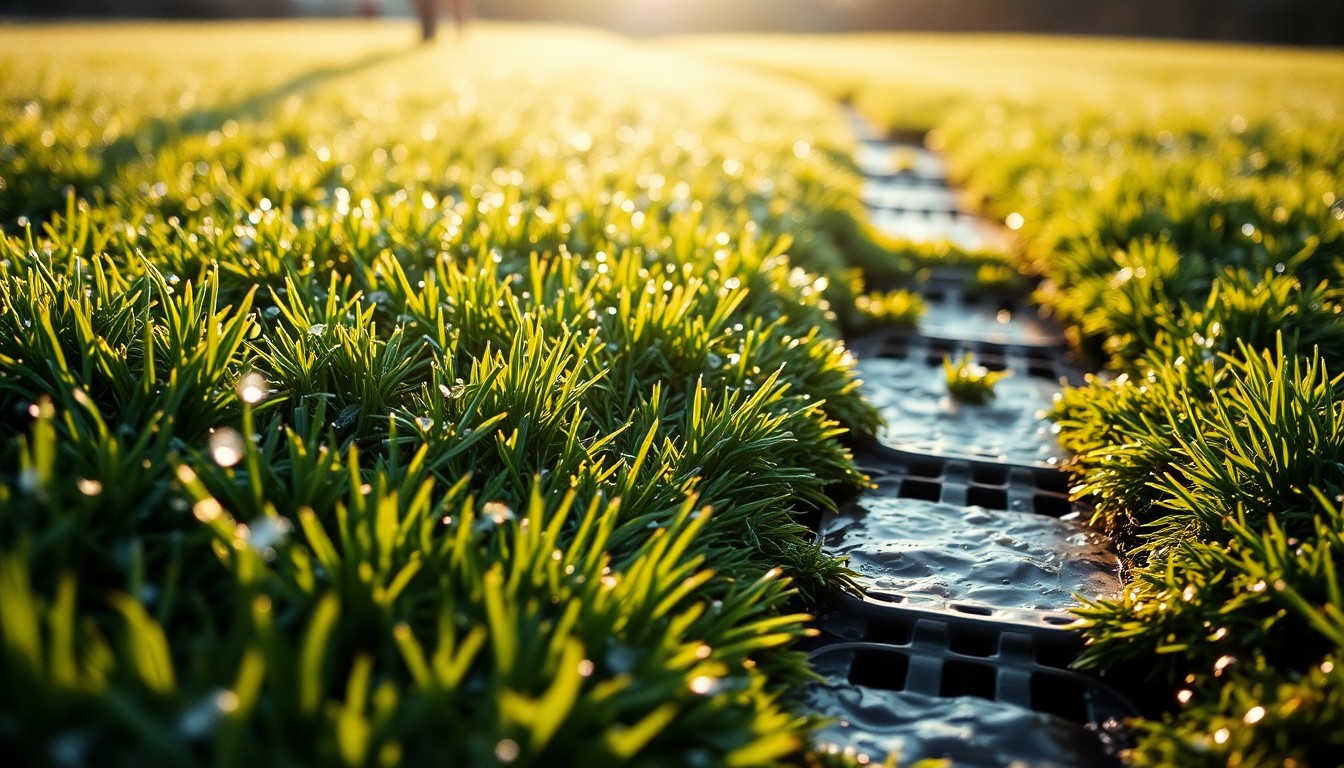
Accessible Drainage Solutions for Turf: The Key to Truly Senior-Friendly Outdoor Spaces
If you’re exploring senior-friendly turf, accessible drainage solutions for turf are just as important as the turf itself.
Without proper, easy-to-navigate drainage:
- Surfaces become slippery and unsafe
- Walkers, wheelchairs, and canes get stuck or unsteady
- Puddles, mud, and algae make outdoor areas less inviting
When drainage is designed for accessibility first, turf can become a safe, low-maintenance, and confidence-boosting surface for older adults and anyone with mobility challenges.
This guide explains how accessible drainage solutions work, why they matter for senior-friendly turf, and what to consider when planning or updating a yard, community space, or care facility landscape.
Why Accessible Drainage Is Non-Negotiable for Senior-Friendly Turf
Accessible drainage solutions for turf are all about reducing risk and increasing comfort.
- For seniors and mobility-challenged users, good drainage:
- Minimizes slip and fall risks
- Prevents puddles and standing water
- Keeps surfaces firm, even, and predictable
- Supports walkers, canes, scooters, and wheelchairs
- Reduces mold, algae, and icy patches in cold climates
When drainage is overlooked, even the safest turf can become:
- Too soft or spongy to walk on confidently
- Uneven or rutted from water flow and erosion
- Hazardous after rain or irrigation
A truly senior-friendly turf system starts below the surface with accessible drainage.
What Makes Drainage “Accessible” for Turf?
Not all drainage systems support accessibility equally.
- Accessible drainage solutions for turf typically share these features:
- Smooth, level transitions
- No exposed grates sticking up
- No sudden dips, trenches, or “step-down” areas
- Supportive base layers
- Engineered sub-base that stays stable underfoot
- Avoids sinking, shifting, or rutting after rain
- Consistent surface firmness
- Firm enough for mobility devices
- Soft enough for comfort, but not “mushy”
- Controlled water flow
- Water directed away from walkways, entrances, ramps
- No pooling in areas used for sitting, walking, or activities
- Low-maintenance and predictable
- Easy to inspect and clean
- Performs reliably in all seasons
In other words, accessible drainage doesn’t just move water—it protects safe movement.
How Accessible Drainage Works Under Senior-Friendly Turf
Accessible drainage solutions for turf usually combine multiple layers and components that each play a role.
- Typical layered structure:
- Turf surface
- Natural or synthetic turf designed for traction and comfort
- Infill (for synthetic turf, if used)
- Helps with stability, cushioning, and drainage performance
- Permeable backing or soil surface
- Lets water pass through quickly
- Drainage base layer
- Gravel, open-graded aggregate, or permeable base material
- Sometimes includes drainage mats or geogrids
- Subdrain or collection system
- French drains, perforated pipes, or swales to move water away
When these layers are correctly designed, water passes through the turf instead of sitting on top, keeping surfaces dry, firm, and accessible.
Key Design Principles for Accessible Drainage Under Turf
To ensure senior-friendly turf stays safe and usable, drainage design needs to center accessibility from the start.
1. Gentle, Predictable Slopes
- Aim for mild slopes (often around 1–2%) to shed water
- Avoid steep or uneven grades that could feel unstable
- Keep slopes consistent, especially near:
- Pathways
- Ramps
- Entrances
- Seating areas
2. Even, Firm Base Construction
- Use well-compacted, appropriately graded base materials
- Avoid patchy or inconsistent compaction that leads to soft spots
- Plan for how the base will handle:
- Heavy rain
- Freeze-thaw cycles
- Frequent foot or mobility device traffic
3. Safe Placement of Drains and Channels
- Keep drains out of primary walking lines when possible
- If grates or channels are needed, select:
- ADA-compliant grates
- Narrow gaps to prevent cane or wheelchair caster entrapment
- Flush, level installation with surrounding surfaces
4. Permeable Surface Choices
- Choose turf and underlayment that encourage vertical infiltration
- Avoid impermeable liners unless specifically designed with sub-surface collection
- Consider how leaves, debris, and organic matter will affect permeability over time
5. Future Maintenance in Mind
- Design access points for cleaning and inspecting drains
- Plan for easy removal of debris near drains and edges
- Think long-term: how will drainage hold up over 5–10 years of use?
Types of Accessible Drainage Solutions for Turf
Different spaces need different drainage strategies. Often, a combination works best.
1. Permeable Base Systems
These rely on an open-graded aggregate base that lets water pass through and spread out.
- Benefits:
- Even support for seniors and mobility aids
- Reduction in surface puddling
- Good for level or gently sloped areas
- Ideal for:
- Courtyards
- Activity lawns
- Therapy gardens
2. French Drains (Subsurface Drains)
Perforated pipes surrounded by gravel that collect and redirect water underground.
- Benefits:
- Invisible and non-disruptive to walking surfaces
- Suitable for areas where water tends to accumulate
- Ideal for:
- Edges of turf near buildings
- Low points in the yard
- Transition areas between turf and hardscape
3. Linear Channel Drains (With Accessibility Considerations)
Surface-level channels with grates to capture and move water.
- Benefits:
- Effective near entrances, driveways, and patios
- Can protect interior spaces from water intrusion
- Accessibility must-haves:
- Flush installation
- Non-slip, ADA-compliant grates
- Slot orientation that doesn’t trap wheels or tips of canes
4. Swales and Graded Drainage Paths
Shallow, gently sloped depressions that guide water away over the surface.
- Benefits:
- Natural-looking, no hardware underfoot
- Can be integrated with turf or planting
- Accessibility considerations:
- Keep swales broad and shallow near walking routes
- Avoid sharp grade changes or unexpected dips
Accessible Drainage and Senior Safety: Reducing Real-World Risks
For older adults, especially those aging in place or residing in senior communities, outdoor spaces can be a source of joy—or anxiety.
- Poor drainage can lead to:
- Hidden slippery spots after light rain or irrigation
- Wheelchair wheels bogging down in soft turf
- Walker tips sinking into wet or unstable areas
- Increased fear of falling, leading to reduced outdoor activity
Well-planned accessible drainage can support:
- Confident walking, even for those with balance concerns
- Safe use of mobility aids on turf
- More time spent outdoors, which is linked to:
- Better mood
- Improved sleep
- Increased physical activity
- Stronger social connections
Where turf is used for seniors—such as in memory care gardens, rehab centers, or residential yards—accessible drainage should be treated as a primary safety feature, not an afterthought.
Planning Accessible Drainage for Different Senior-Focused Settings
Accessible drainage solutions for turf will look different depending on the environment.
1. Private Homes (Aging in Place)
Priorities:
- Simple systems that require minimal maintenance
- Drainage that protects walkways, steps, and thresholds
- Turf that remains firm and passable to the front door, driveway, and patio
Common strategies:
- Permeable turf systems with a compacted base
- Gentle grading away from the home
- Strategic French drains in problem areas
2. Senior Living Communities & Assisted Living Facilities
Priorities:
- High-traffic durability
- Safe, predictable turf areas for group activities
- Compliance with accessibility standards
Common strategies:
- Engineered base systems under turf in courtyards and outdoor lounges
- Swales and subdrain systems at perimeters to move water off main paths
- Carefully located channel drains where turf meets hardscape
3. Rehab, Therapy, and Memory Care Gardens
Priorities:
- Stable surfaces for guided walking and physical therapy
- Reduced slip risk in all weather
- Quiet, calming environments (no noisy grates or exposed drains)
Common strategies:
- High-performance permeable base under turf
- Concealed French drains in low spots
- Broad, gentle slopes that support slow, deliberate movement
How Drainage Connects to the Pros and Cons of Turf for Seniors
The effectiveness of turf for seniors—whether natural or synthetic—depends heavily on how well water is managed.
If you’re weighing the benefits and drawbacks of turf specifically for older adults, it helps to evaluate drainage as part of the overall picture of safety, comfort, and maintenance. You can explore a more detailed breakdown of how turf performs for older adults on the pros and cons of turf for seniors page, and consider how proper water runoff and accessibility-focused drainage impact those pros and cons in real-world settings.
Practical Tips When Considering Accessible Drainage Solutions for Turf
When planning or updating a senior-friendly turf area, keep these points in mind.
- Ask the right questions:
- How will water move across and under the turf?
- Where will water collect naturally—and how can that be redirected?
- Are any drains or grates installed flush and safe for canes and mobility devices?
- How firm will the surface remain after rain or irrigation?
- Discuss these details with professionals:
- Desired level of surface firmness for mobility aids
- Local climate (intense rain, snow, freeze-thaw, heat)
- Anticipated foot traffic and use patterns
- Access points for inspection and maintenance
Plan for the long term:
- Schedule periodic checks for:
- Clogged drains
- Settling or dips in the turf surface
- Areas where water starts to linger
- Adjust grading or drainage components early if issues appear
FAQ: Accessible Drainage Solutions for Turf in Senior-Friendly Spaces
| Question | Answer |
|---|---|
| Why is drainage so important for senior-friendly turf? | Because seniors are more vulnerable to slips and falls, any standing water, soft spots, or uneven turf can become a safety hazard. Accessible drainage keeps turf firm, dry, and predictable, which supports balance, mobility, and confidence outdoors. |
| Is accessible drainage different from regular drainage? | Yes. Regular drainage focuses mainly on moving water away. Accessible drainage also considers how seniors and mobility devices move across the surface, emphasizing stable bases, gentle slopes, flush transitions, and non-trip, non-slip details. |
| Do synthetic turf systems automatically have good drainage? | Not automatically. Many synthetic turf products allow water through the surface, but overall performance depends on the base, grading, and subdrain system. Poorly designed installations can still puddle, shift, or become unstable, even with synthetic turf. |
| Can I improve drainage on an existing turf area used by seniors? | In many cases, yes. Options may include regrading, adding French drains, improving base materials, or replacing clogged or ineffective drainage components. A professional assessment can help identify the most practical upgrades. |
| What slope is safe and effective for senior-friendly turf drainage? | Gentle slopes in the range of about 1–2% are commonly used to shed water while remaining comfortable and accessible. Extremely steep or uneven slopes can feel unstable and should be avoided in primary walking and activity areas. |
| Are drains and grates safe for walkers and wheelchairs? | They can be if designed and installed correctly. Grates should be flush with the surrounding surface, have narrow openings, and meet accessibility standards. Whenever possible, keep drains out of primary walking paths to minimize interaction. |
| How does climate affect accessible drainage design? | Heavy rainfall, snow, freeze-thaw cycles, and extreme heat all affect how water moves and how the base performs. In wet or cold climates, more robust base materials, subdrains, and careful grading are especially important to prevent heaving, erosion, or pooling. |
| What maintenance is needed to keep drainage accessible and effective? | Regular checks for debris around drains, inspection after major storms, and attention to any new puddles or soft spots are key. Over time, minor adjustments to grading or turf leveling may be needed to keep surfaces even and safe. |
By understanding accessible drainage solutions for turf—and planning them intentionally—you can create outdoor spaces that are not only beautiful, but genuinely usable, safe, and welcoming for seniors and anyone with mobility challenges.
Explore Related Turf Resources
Related Turf Guides
- Aesthetic Comparison: Turf vs. Grass (and What Actually Looks Better Long-Term)
If you’re weighing turf pros and cons, the **aesthetic differences between turf and grass** are probably at the top of your list.
- Annual Turf Care Calendar: Your Simple, Seasonal Guide to a Healthier Lawn
If you’re wondering, “What should I be doing for my lawn right now?” the answer lives inside an **annual turf care calendar**.
- Are luxury artificial turf options worth the investment for DFW homeowners?
Yes, upgrading to luxury artificial grass offers unmatched aesthetics, superior durability, and a premium feel that significantly elevates your home’s outdoor living experience and long-term value.
- Are you tired of staring at a dull, high-maintenance patch of grass?
**Yes, you can absolutely transform your yard into a stunning, functional space with a backyard landscaping makeover, and synthetic turf is often the key ingredient for DFW homeowners.**
- Base Material Installation for Turf: The Step That Makes Everything Work
If your turf looks wavy, soggy, or uneven, the problem almost always starts in one place: the base.