
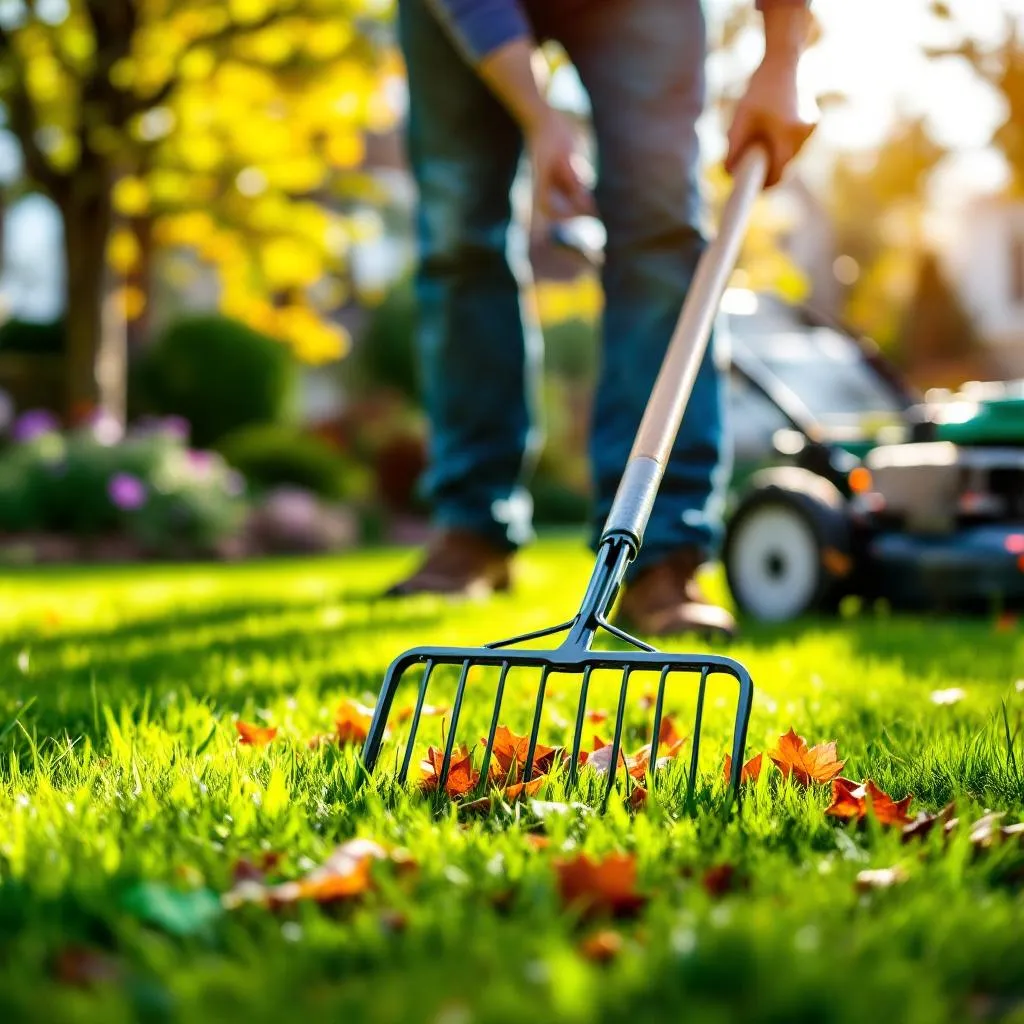
Annual Turf Care Calendar: Your Simple, Seasonal Guide to a Healthier Lawn
If you’re wondering, “What should I be doing for my lawn right now?” the answer lives inside an annual turf care calendar.
Instead of guessing month to month, this year‑round schedule shows you:
- What to do
- When to do it
- Why timing matters
Below is a clear, seasonal breakdown so you can quickly see what your turf needs today, then dive deeper into each phase of the year.
Quick-View Annual Turf Care Calendar by Season
Use this as your at‑a‑glance roadmap. Then, keep reading for deeper explanations and practical tips for each step.
| Season | Primary Goals | Key Tasks |
|---|---|---|
| Late Winter | Prep & plan | Tool check, soil testing, light cleanup, plan treatments |
| Spring | Wake up turf & encourage growth | Raking, aeration (if spring-suitable), overseeding, fertilizing, weed control |
| Early Summer | Strengthen before stress | Mowing schedule, balanced fertilizing, spot weed control, irrigation setup |
| Mid–Late Summer | Protect from heat & drought | Deep/infrequent watering, height-of-mow adjustments, disease monitoring |
| Fall | Repair, rebuild, and restore | Core aeration, overseeding, fall fertilizer, heavy leaf cleanup |
| Early Winter | Put the lawn to bed | Final mow, remove debris, protect against winter damage |
This annual turf care calendar is your framework. The rest of this guide explains each season so you can confidently follow a realistic, repeatable turf routine year after year.
Why an Annual Turf Care Calendar Matters More Than “Quick Fixes”
Most lawn issues (weeds, bare spots, disease, thatch) don’t come from one bad week—they come from inconsistent care over the year.
An annual turf care calendar helps you:
-
Work with the seasons, not against them
Different tasks only work well at certain temperatures and growth stages. -
Prevent problems instead of just reacting
Pre-emergent weed control, fall repair, and proper mowing reduce issues before they start. -
Use less time, less effort, and often fewer products
Well‑timed care is more effective, meaning you do less overall. -
Build a healthier, more resilient lawn
Deep roots, balanced nutrition, and good soil structure handle weather swings better.
Think of your annual turf care calendar as a long‑term health plan for your lawn, not an emergency room visit.
Seasonal Turf Care: What to Do and When
Below, we’ll walk through each season of your annual turf care calendar, outlining specific actions, why they matter, and timing tips.
Late Winter: Assess, Prepare, and Plan
Late winter is about getting ready, not heavy work. Your lawn is mostly dormant—but you can set up a smoother year by planning now.
Key Goals
- Understand your soil and turf needs
- Get tools and materials ready
- Avoid damage while the lawn is vulnerable
Recommended Tasks
-
Soil Test (if you haven’t done one in 2–3 years)
- Reveals pH, nutrient levels, and what amendments you actually need
- Helps you plan spring and fall fertilizer applications intelligently
-
Tool Check & Maintenance
- Sharpen mower blades
- Check spark plugs and oil
- Clean and inspect sprayers and spreaders
-
Light Cleanup (when ground is firm, not soggy or frozen)
- Gently remove branches, large debris
- Avoid aggressive raking that tears dormant turf
-
Planning Your Year
- Map out aeration, overseeding, and fertilizing windows based on your region
- Add reminders to your calendar for key seasonal tasks
This is also a good time to review your last year’s turf performance and adjust your annual turf care calendar accordingly.
Spring Turf Care: Wake-Up Season for Your Lawn
Spring is when your turf really responds to effort. This is a critical part of your annual turf care calendar because you’re setting the tone for the rest of the year.
For more detailed, spring-specific guidance, you can explore our dedicated resource on spring turf care, which fits seamlessly into this year‑round turf maintenance schedule.
Key Goals
- Clean up winter damage
- Encourage strong, healthy new growth
- Get ahead of weeds before they dominate
Recommended Tasks
-
Spring Cleanup
- Rake out matted areas and leftover leaves
- Remove sticks, thatch buildup, and salt-damaged debris
- Improve air movement and light penetration to the soil surface
-
Aeration (in appropriate regions/turf types)
- Best for cool-season grasses in many climates during spring or fall
- Relieves compaction, promotes root growth, improves water and nutrient absorption
-
Overseeding (if needed)
- Fill in bare or thin spots after winter
- Helps crowd out weeds by thickening turf
- Time closely with soil temperatures suitable for seed germination
-
Pre-Emergent Weed Control
- Targets weeds like crabgrass before they sprout
- Must be applied at the right soil temperature window, often early–mid spring
-
Balanced Spring Fertilization
- Avoid heavy nitrogen early if turf is still stressed
- Focus on a moderate, balanced feeding to encourage steady, not explosive, growth
-
First Mows of the Season
- Mow when grass is actually growing, not just because the date says “spring”
- Don’t cut more than 1/3 of the blade height at once
Spring is where your annual turf care calendar shifts from planning to active management—small, well‑timed moves now pay off for months.
Early Summer: Build Strength Before Heat Stress
As temperatures climb, turf faces more stress from heat, foot traffic, and inconsistent moisture. Early summer is about strengthening your lawn before the hardest part of the year.
Key Goals
- Maintain steady growth, not surge growth
- Keep weeds in check
- Establish smart watering and mowing habits
Recommended Tasks
-
Refine Mowing Routine
- Mow consistently, usually weekly in active growth periods
- Maintain recommended height for your grass type (often 2.5–4 inches for cool-season, 1–3 inches for many warm-season varieties)
-
Adjust Fertilizer Strategy
- Avoid over-fertilizing in hot, dry climates
- Light, well‑timed feedings help, but heavy nitrogen can stress turf in rising heat
-
Spot Weed Control
- Target broadleaf weeds that escaped spring pre-emergent
- Hand-pull or spot-treat instead of blanket applications when possible
-
Irrigation Setup
- Aim for deep, infrequent watering, not daily shallow sprinkles
- Generally, lawns need about 1–1.5 inches of water per week (rain + irrigation), depending on turf type and soil
The early summer phase of your annual turf care calendar is about building resilience—giving your lawn the reserves it needs for mid-summer stress.
Mid–Late Summer: Protect and Preserve
Heat, drought, and high foot traffic can quickly undo earlier hard work. This is the defensive phase of your annual turf care calendar.
Key Goals
- Prevent heat and drought stress
- Manage disease risk
- Avoid overworking the lawn when it’s already stressed
Recommended Tasks
-
Optimize Watering
- Water early in the morning to reduce evaporation and disease risk
- Maintain deep watering practices (fewer, deeper sessions rather than frequent light ones)
-
Raise Mowing Height
- Slightly higher grass shades the soil, conserving moisture
- Promotes deeper root systems and better stress tolerance
-
Traffic Management
- Rotate play or high-traffic spots if possible
- Use paths or stepping stones in constantly used areas
-
Monitor for Disease and Pests
- Look for discoloration, unusual patches, or thinning
- Address issues early, but avoid harsh treatments when turf is under extreme stress unless necessary
In this stage of your annual turf care calendar, “less is more.” Protection and gentle care take priority over aggressive growth pushes.
Fall: Repair, Rebuild, and Prepare for Next Year
For many lawns, fall is the most important season in the annual turf care calendar. Cooler temperatures and higher natural moisture create ideal conditions for root growth and repair.
Key Goals
- Repair summer damage
- Build root depth and density
- Prepare lawn to overwinter strong
Recommended Tasks
-
Core Aeration
- Relieves soil compaction from summer traffic
- Creates channels for air, water, and nutrients to reach roots
- Pairs perfectly with overseeding and fall fertilizing
-
Overseeding (especially cool-season lawns)
- Thickens existing turf, improving density and uniformity
- Helps outcompete weeds next spring
- Seed-to-soil contact is critical—pair with aeration when possible
-
Fall Fertilizer Program
- Focus on root development more than top growth
- Proper fall fertilization supports winter hardiness and spring green-up
-
Leaf Management
- Don’t let thick layers of leaves smother turf
- Mulch finely with mower or remove heavy layers regularly
Fall is where your annual turf care calendar turns from maintenance to rebuilding. Work done now reduces problems next year.
Early Winter: Tuck Your Lawn In for the Season
As temperatures drop and growth slows, your final role in the annual turf care calendar is to protect, not push.
Key Goals
- Prevent physical damage
- Keep turf clean and breathable
- Set the stage for an easier spring
Recommended Tasks
-
Final Mow
- Gradually lower the height (never all at once) but don’t scalp
- A slightly shorter final cut can reduce snow mold risk in some climates
-
Debris & Leaf Cleanup
- Ensure the lawn goes into winter mostly free of thick leaf layers or clutter
-
Traffic Awareness
- Avoid repeatedly walking on frozen or snow-covered lawn areas
- Limit vehicle or heavy equipment on dormant turf
-
Tool Storage
- Clean and store tools properly to be ready for the next cycle of your annual turf care calendar
By closing out the year cleanly, you make the transition into spring smoother and reduce surprise issues.
How to Adapt Your Annual Turf Care Calendar to Your Yard
Every lawn is unique, but the structure of the annual turf care calendar remains the same. You can personalize it based on:
1. Grass Type (Cool-Season vs. Warm-Season)
-
Cool-season grasses (Kentucky bluegrass, fescues, ryegrass):
- Peak growth in spring and fall
- More sensitive to summer heat
- Aeration and overseeding often best in fall (or spring in some regions)
-
Warm-season grasses (Bermuda, zoysia, St. Augustine, centipede):
- Peak growth in late spring–summer
- Go dormant or semi-dormant in cooler months
- Many major renovations and fertilization efforts are best during late spring–early summer
2. Climate and Weather Patterns
- Heavy rainfall vs. frequent drought
- Harsh winters vs. mild frost seasons
- Local soil types (sandy, clay, loam)
Your annual turf care calendar is a flexible framework, not a rigid schedule. Pay attention to your climate, and adjust timing within each season.
3. Yard Use and Expectations
- High-use play areas may need more frequent repair and overseeding
- Decorative or low-traffic lawns might tolerate lighter interventions
- Shady vs. sunny areas often need different approaches
Tailor the intensity of your seasonal care based on how your turf is used and what you expect from it visually.
Annual Turf Care Calendar FAQs
Below are common questions people ask when they begin using an annual turf care calendar.
| Question | Answer |
|---|---|
| Do I really need to follow an annual turf care calendar? | Following a year‑round plan isn’t mandatory, but it dramatically improves consistency and results. A simple seasonal schedule prevents common issues like bare spots, compaction, and weed outbreaks. |
| What’s the most important season in the annual turf care calendar? | For most cool-season lawns, fall is the most impactful because it’s the best time for aeration, overseeding, and root-focused fertilization. Spring is a close second. For warm-season lawns, late spring–early summer is crucial. |
| How often should I fertilize as part of a yearly schedule? | It depends on grass type and soil tests, but many home lawns do well with 2–4 feedings per year: early–mid spring, late spring/early summer, late summer or early fall, and late fall (for many cool-season lawns). |
| Where does mowing fit into an annual turf care calendar? | Mowing is a near year‑round task in many climates, but intensity changes by season. Spring and early summer often require weekly mowing; mid–late summer and late fall may slow naturally. Always adjust height based on season and turf health. |
| Can I skip aeration and still have a good lawn? | If your soil isn’t compacted and your turf is performing well, you may not need annual aeration. However, many lawns, especially in high‑traffic or clay soil areas, benefit greatly from aeration at least every 1–3 years. |
| How does this annual turf care calendar help with weeds? | By timing pre-emergent treatments, promoting dense turf through overseeding, and maintaining proper mowing and watering, you create conditions where weeds struggle to gain a foothold. |
| Is a separate spring plan necessary if I’m using an annual calendar? | The annual turf care calendar gives the big picture, while a focused seasonal guide—like a dedicated spring turf care plan—offers deeper detail for each phase. Using both together gives clarity and confidence. |
| What if I’m starting mid-year—should I wait for next spring? | No. Begin with the current season’s tasks. For example, if it’s fall, focus on aeration, overseeding, and fertilization. Then follow the calendar forward into winter, spring, and beyond. |
Bringing It All Together
An annual turf care calendar doesn’t need to be complicated. It simply organizes what your lawn already needs into a sensible, seasonal rhythm:
- Plan and prep in late winter
- Wake and feed in spring
- Strengthen and protect in summer
- Repair and rebuild in fall
- Tuck in for early winter
When you know what to do in each season—and why—it becomes much easier to stay consistent. Over time, that consistency is what turns patchy, unpredictable turf into a healthier, more resilient lawn you can rely on year after year.
Explore Related Turf Resources
Related Turf Guides
- Accessible Drainage Solutions for Turf: The Key to Truly Senior-Friendly Outdoor Spaces
If you’re exploring senior-friendly turf, accessible drainage solutions for turf are just as important as the turf itself.
- Aesthetic Comparison: Turf vs. Grass (and What Actually Looks Better Long-Term)
If you’re weighing turf pros and cons, the **aesthetic differences between turf and grass** are probably at the top of your list.
- Are luxury artificial turf options worth the investment for DFW homeowners?
Yes, upgrading to luxury artificial grass offers unmatched aesthetics, superior durability, and a premium feel that significantly elevates your home’s outdoor living experience and long-term value.
- Are you tired of staring at a dull, high-maintenance patch of grass?
**Yes, you can absolutely transform your yard into a stunning, functional space with a backyard landscaping makeover, and synthetic turf is often the key ingredient for DFW homeowners.**
- Base Material Installation for Turf: The Step That Makes Everything Work
If your turf looks wavy, soggy, or uneven, the problem almost always starts in one place: the base.