
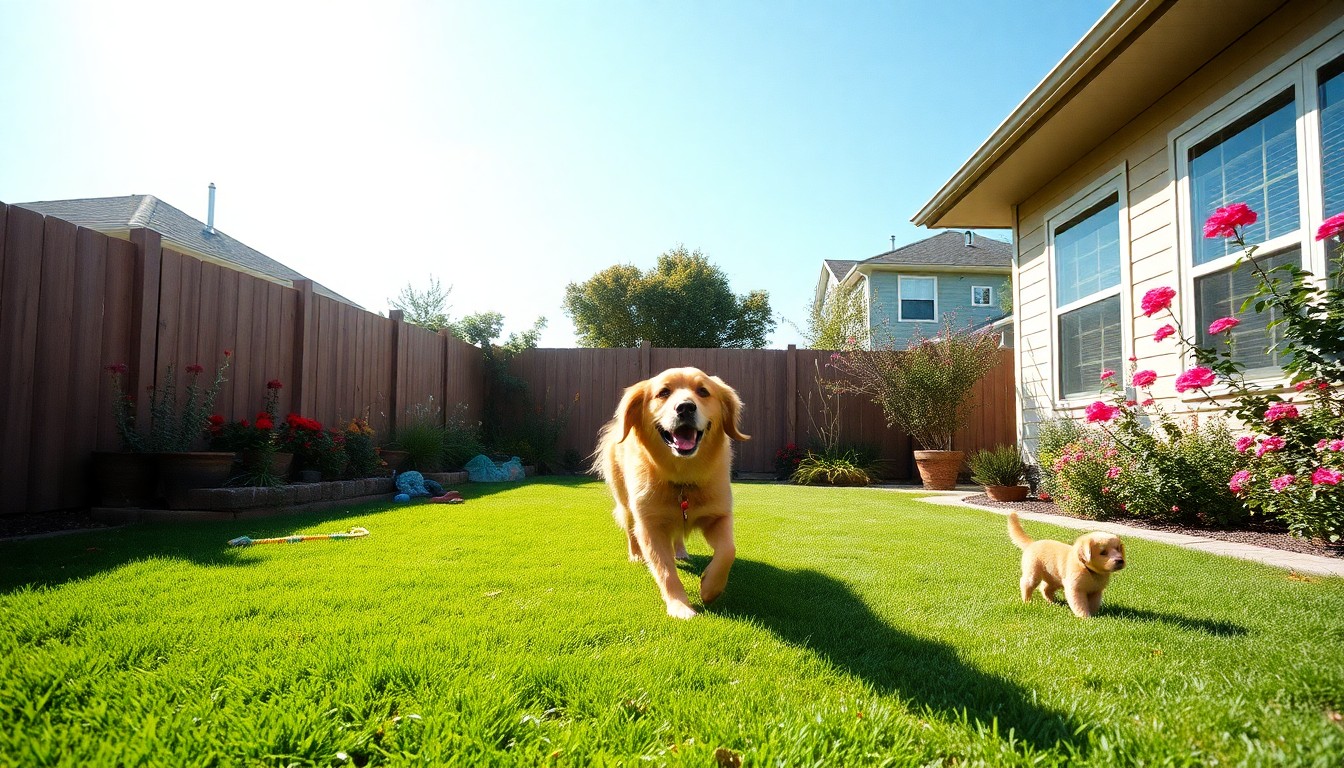
Pet-Safe Turf Materials: What You Need to Know First
If you’re wondering, “What is the safest turf material for my pets?” here’s the short answer:
The safest pet-friendly turf setups use:
- Non-toxic, lead-free turf fibers (polyethylene or polypropylene)
- Permeable, antimicrobial backing for better drainage
- Pet-safe infill (like rounded silica sand or coated infills; avoid crumb rubber)
- A well-draining base system to reduce bacteria, odors, and muddy mess
From there, the “right” pet-safe turf materials for you depend on:
- Your pet’s size and habits (diggers, chewers, heavy urinators)
- Your local climate (hot, wet, cold, or all of the above)
- How much time and effort you want to spend on cleaning and maintenance
Below you’ll find a practical pet-safe turf material guide that walks you through each layer of a pet-friendly turf system—what’s safe, what to avoid, and how to think about turf the way your pet experiences it: with paws, nose, and mouth.
Why Pet-Safe Turf Materials Matter Right Now
Choosing turf has gone way beyond “fake grass that looks nice.” For pet owners, the materials you choose affect:
- Your pet’s health – Exposure to toxins, extreme surface heat, and bacteria buildup
- Your home environment – Odors, allergens, and how much dirt gets tracked inside
- Your long-term costs – Poor material choices can mean early replacement and more cleaning
With more people working from home and spending time outdoors, your yard is now part of your living space. That makes a careful, informed choice on pet-safe materials more important than ever.
The Pet-Safe Turf Material Guide: Layer by Layer
When people say “pet turf,” they often mean just the green blades. But pet safety comes from the whole system, not a single product.
Think of your pet-friendly turf as a 4-layer sandwich:
- Turf fibers (the blades)
- Turf backing
- Infill (the material between the blades)
- Base system (what’s underneath everything)
Each layer plays a role in safety, comfort, cleanliness, and odor control.
1. Pet-Safe Turf Fibers: What the “Grass” Is Made Of
Common Fiber Materials
Most artificial turf blades are made from one of three plastics:
-
Polyethylene (PE)
- Soft, flexible, and widely used in pet turf
- Comfortable on paws and skin
- Often used in higher-quality, pet-focused turf systems
-
Polypropylene (PP)
- Used in some turf products and thatch layers
- Less expensive, but not as soft as polyethylene
- Can be fine for pets when certified non-toxic and lead-free
-
Nylon
- Very strong and resilient
- Can retain more heat than PE
- Often used for sport turf; less common as the main fiber in pet yards
What Makes Turf Fibers “Pet-Safe”?
When comparing fibers through a pet-safe lens, look for:
-
Non-toxic certification
- Lead-free and heavy-metal-free
- Tested for harmful chemicals (such as certain plasticizers)
-
Softness and flexibility
- Gentle for running, laying, and rolling
- Less chance of irritation on paw pads and skin
-
Heat performance
- Some turf fibers are treated to reflect more sunlight
- A cooler surface is safer and more comfortable, especially for dark-coated dogs
-
Durability against claws and chewing
- High-quality fibers resist matting and shredding
- Less chance of loose fibers your pet could ingest
Red Flags to Watch For
- Strong chemical or plastic odor that doesn’t fade with airing out
- No mention of lead-free or toxin testing
- Extremely stiff or abrasive fibers that feel rough on your skin—your pet’s paws are even more sensitive
2. Pet-Safe Turf Backing: Where Drainage and Hygiene Start
The backing is what the fibers are stitched into, and it has a big impact on drainage, cleanliness, and odor.
Types of Backing
-
Hole-punched backing
- Solid sheet with drainage holes
- Water and urine must find their way to the holes
- Can be slower-draining, increasing odor risk
-
Fully permeable (flow-through) backing
- Water passes through almost the entire surface
- Faster drainage = less standing moisture
- Helpfully reduces bacteria growth and odor buildup
Pet-Safe Backing Features
Look for backing that offers:
- High drainage rate (often listed in inches or gallons per hour)
- Dimensional stability – minimal stretching or warping in extreme temperatures
- Non-toxic materials and adhesives that are safe for pets
Backing is one of the hidden heroes of a pet-safe turf system. A good backing plus a smart drainage design (more on that below) can dramatically improve:
- How quickly urine moves away from the surface
- How easily you can rinse and clean the turf
- How much odor develops over time
To go deeper into how backing and base materials work together to manage odors and drainage for pets, explore this guide: Pet Turf Drainage & Odor Control.
3. Pet-Safe Turf Infill: The Most Overlooked Material
Infill is the material spread between the turf blades. It helps:
- Keep blades upright
- Add weight to hold turf in place
- Affect heat, cushioning, and drainage
Because infill sits where your pet walks, lies down, and sniffs, it’s a key piece of pet safety.
Common Infill Types and Their Pet-Safe Pros/Cons
| Infill Type | Pros for Pets | Concerns / Notes |
|---|---|---|
| Rounded silica sand | Stable, affordable, non-organic | Can trap odors if not cleaned; must be rounded, dust-controlled |
| Antimicrobial sand | Helps reduce bacteria and odor buildup | Often more expensive; quality varies |
| Coated infills (e.g., acrylic, mineral-coated) | Cooler underfoot, some odor control, can be antimicrobial | Check that coatings are non-toxic and pet-safe |
| Zeolite-based infill | Naturally absorbs ammonia from urine | Needs periodic cleaning/refreshing; can saturate |
| Crumb rubber (recycled tires) | Soft, shock-absorbing | Often not recommended for pets; heat and chemical concerns |
| Organic infills (e.g., cork, coconut) | Cooler feel, renewable materials | Can break down, hold moisture, and grow microbes if poorly drained |
Pet-Safe Infill Guidelines
When choosing infill for a pet-friendly yard:
- Avoid crumb rubber if possible
- Prefer rounded, washed silica sand or high-quality coated infills for better cleanliness
- Consider odor-controlling infills (like zeolite blends) if you have multiple dogs or a small yard
- Confirm dust control and non-toxicity via manufacturer data, especially if your pet likes to dig
4. The Base System: The Hidden Foundation of Pet Safety
Underneath the turf is a compacted base that affects:
- Drainage speed
- Surface stability
- Odor and bacteria development
Typical Pet Turf Base Materials
- Crushed rock or decomposed granite
- Solid, stable, and good for drainage when installed correctly
- Permeable base layers (e.g., certain aggregates designed for water flow)
- Allow urine and water to move downward more quickly
- Optional drainage enhancements
- Drain tiles, French drains, or grading designed for water flow
Why the Base Matters to Pets
Your pet experiences the surface as:
- Soft vs. hard – affects joints and comfort
- Dry vs. muddy – impacts hygiene and indoor cleanliness
- Smelly vs. neutral – influences how much they enjoy using the yard
A well-designed base:
- Keeps the turf firm but forgiving
- Encourages fast drainage so urine doesn’t linger near the surface
- Reduces the risk of slimy biofilm, mold, and odor
For a deeper dive into how base layers and drainage design help manage pet urine, odor control, and cleaning routines, see: Pet Turf Drainage & Odor Control.
5. Safety Beyond Materials: Heat, Hygiene, and Chewing
Even the best pet-safe turf materials need good habits to stay safe.
Heat Management
Synthetic turf can get warm in direct sun. To help protect your pet:
- Consider lighter green shades and cooling infills
- Provide shaded areas or cooling pads
- Hose down the turf briefly on very hot days
- Test surface temperature with your hand before long play sessions
Hygiene and Cleaning
Pet-friendly turf stays safer with simple, consistent care:
- Prompt solid waste removal (scoop and dispose)
- Routine rinsing of urine-heavy areas
- Occasional use of pet-safe enzymatic cleaners to break down odor-causing residues
- Light brushing to keep blades upright and prevent matting
Chewing and Digging
If your dog is a serious chewer or digger:
- Choose a durable, tightly stitched turf with strong backing
- Secure turf edges carefully (no loose corners to tug)
- Supervise early play until your dog gets used to the surface
6. Matching Pet-Safe Turf Materials to Your Situation
To choose the right materials, start with these key questions:
How Many Pets Do You Have?
-
One small, low-activity dog
- Soft polyethylene turf
- Rounded silica sand or mild odor-control infill
- Standard but well-installed base and drainage
-
Multiple dogs or large breeds
- Highly durable, non-toxic turf fibers
- Antimicrobial or odor-controlling infill
- High-performance, fast-draining backing and base
What’s Your Climate?
-
Hot, sunny areas
- Cooler-running turf fibers
- Coated or cooling infill
- Shaded zones or adjustable shade structures
-
Wet or humid climates
- Fully permeable backing
- Fast-draining base materials
- Extra attention to drainage design and regular rinsing
How Much Time Do You Want to Spend on Maintenance?
-
Low maintenance priority
- Invest in better drainage and odor-control materials upfront
- Establish simple weekly routines: quick rinse, quick brush
-
Willing to be more hands-on
- You may be able to use simpler infills with more frequent cleaning
- You can combine rinsing, brushing, and enzyme treatments as needed
7. How This All Feels to Your Pet
Think of safety the way your dog experiences it:
- Paws: Soft, non-abrasive blades; not too hot; no sharp infill pieces
- Nose: Minimal lingering urine smell; fresh or neutral scent after rinsing
- Skin: No harsh chemicals or rough patches on their favorite lying spots
- Behavior: They’re comfortable using the space for play, rest, and bathroom breaks
Choosing the right pet-safe turf materials is about creating a space your pet truly enjoys, while you enjoy less mud, less mess, and more time outside together.
FAQs: Pet-Safe Turf Materials
Quick Comparison: Key Material Choices
| Component | Better Pet-Safe Options | Materials to Question or Avoid |
|---|---|---|
| Turf fibers | Polyethylene, tested lead-free & non-toxic | Poorly tested, odorous, or rough-feeling turf |
| Backing | Fully permeable, high-drainage backing | Low-drainage, non-permeable backing with minimal holes |
| Infill | Rounded silica sand, coated infills, zeolite blends | Crumb rubber, questionable or dusty infills |
| Base system | Well-compacted, free-draining aggregate | Poorly graded, compacted soil with standing water |
FAQ 1: Is artificial turf actually safe for dogs?
Yes, artificial turf can be safe for dogs when:
- The turf is lead-free and non-toxic
- Infill is pet-safe and not crumb rubber
- The system is designed for drainage and odor management
- You maintain it with regular rinsing and waste removal
The safety issues usually arise from poor material choices and inadequate drainage, not from turf itself.
FAQ 2: What is the safest infill for dogs?
Safer infill choices commonly include:
- Rounded, washed silica sand
- High-quality coated infills
- Zeolite or zeolite-blend infills for odor control
Look for:
- Rounded particles (less abrasive)
- Low dust and non-toxic certification
- Good drainage and minimal odor retention
FAQ 3: Can my dog get sick from turf materials?
Problems are most likely if:
- The turf contains lead or other heavy metals
- Crumb rubber or low-quality infill releases dust or chemicals
- Urine is allowed to build up, encouraging bacterial growth
Choosing certified non-toxic materials, designing for proper drainage, and maintaining basic hygiene routines significantly reduces these risks.
FAQ 4: How does drainage affect pet safety?
Poor drainage can lead to:
- Standing urine and water
- Increased bacteria and odor
- Slimy or slippery surfaces
A well-drained pet turf system helps keep the surface drier, reduces odors, and makes cleaning easier. For a more detailed breakdown of drainage options and odor strategies, see the dedicated overview here: Pet Turf Drainage & Odor Control.
FAQ 5: Will pet-safe turf get too hot for my dog?
Any synthetic surface can warm up in full sun, but you can reduce heat impact by:
- Choosing lighter-colored, cooler-running fibers
- Using cooling or coated infill
- Providing shade and water access
- Hosing down the turf briefly on very hot days
Always check the surface with your hand or bare foot. If it’s too hot for you, it’s too hot for your pet’s paws.
FAQ 6: How can I tell if a turf product is truly pet-safe?
Look for:
- Published test results or certifications for lead-free, non-toxic materials
- Clear description of fiber type, backing, and infill compatibility
- Realistic guidance on drainage, odor control, and maintenance
- Honest information about what you’ll need to do to keep it safe over time
A truly pet-friendly turf setup isn’t just about the “pet” label—it’s about the materials, the design, and how well it fits your pets’ real daily lives.
Explore Related Turf Resources
Related Turf Guides
- Antimicrobial Turf Benefits: What It Is, Why It Matters, and How Infill & Materials Affect Performance
If you’re wondering whether antimicrobial turf is really worth paying attention to, here’s the short answer:
- Best Turf Materials For Pools
The Definitive Guide to Best Turf Materials for DFW Pool Areas1. Direct Answer Intro (Featured Snippet Optimized)The best artificial turf materials for pool surrounds are high-grade, flow-through ...
- Can artificial turf provide a safer, cleaner, and more durable playground surface for daycares?
Yes, artificial turf is widely recognized as the superior surfacing choice for daycare and educational playgrounds, providing a consistently safe, antimicrobial, and low-maintenance environment tha...
- Custom Putting Green Design: Transforming Your Backyard into a Personal Training Facility
Custom Putting Green Design: Transforming Your Backyard into a Personal Training Facility1. Direct Answer Intro (Featured Snippet Optimized)
- Diy Vs Professional Pet Turf Installation
The decision between a DIY pet turf installation and hiring a professional comes down to balancing cost savings against specialized expertise in drainage, base preparation, and selecting pet-specif...