
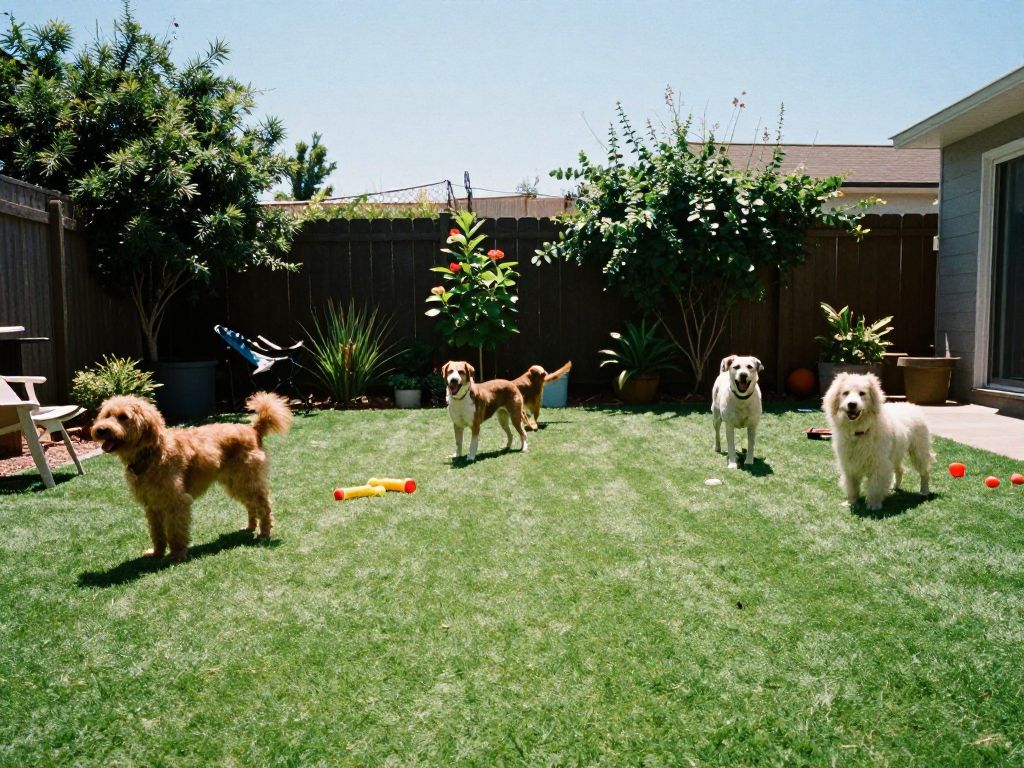
Pet Turf Cost: What You’ll Really Pay (and Save) Over Time
If you’re wondering, “How much does pet turf actually cost?” here’s the short, honest answer:
- Average upfront cost for pet turf:
- Materials + installation: typically $8–$20 per sq ft
- So a 400 sq ft yard might range from $3,200–$8,000+
- Ongoing costs:
- No mowing, fertilizing, or reseeding
- Occasional rinsing and cleaning products
- Potential repairs if damaged
Once you zoom out and look at pet-friendly turf cost comparison (vs. real grass, gravel, or basic turf), pet turf often looks expensive up front but more predictable and sometimes cheaper over 5–10 years—especially for pet-heavy households.
The rest of this guide breaks that down so you know where the money actually goes, how to compare options fairly, and what affects your long‑term return on investment (ROI).
What Drives Pet Turf Cost? (The 5 Big Factors)
When you see costs like “$8–$20 per sq ft,” that’s not just for the green carpet. Pet turf is a full system. Here’s what shapes the total price.
1. Turf Quality and “Pet-Friendly” Features
Pet turf is different from basic synthetic grass. The more pet-focused features it has, the more it usually costs.
Key features that raise cost—but also performance:
- Antimicrobial backing or infill
Helps slow bacteria growth and odors from urine. - Permeable drainage systems
Lets urine pass through quickly instead of pooling on top. - Shorter, denser blades
Easier to clean solids, less matting from zoomies, better resilience. - Heat-reflective or cooling technologies
Can add cost but improve comfort in hot climates. - UV protection & durability upgrades
Resists fading and fiber breakdown over time.
Typical price ranges (materials only):
| Turf Type | Approx. Material Cost per sq ft | Notes |
|---|---|---|
| Basic landscape turf | $2 – $4 | Not optimized for pets or heavy use |
| Standard “pet-friendly” turf | $3 – $6 | Better drainage, denser fibers |
| Premium performance pet turf | $5 – $10+ | Odor control, advanced backing, high durability |
2. Base Preparation and Installation
Installation is where a big chunk of the cost hides.
Common installation steps:
- Removing existing grass or debris
- Grading and leveling the soil
- Adding and compacting a base layer (e.g., crushed rock)
- Installing a drainage system (especially for pets)
- Laying, cutting, and seaming the turf
- Adding infill and grooming
Complexity and site conditions raise or lower cost:
- Easy site: flat, accessible yard, minimal removal → lower install cost
- Tough site: slopes, poor drainage, obstacles, difficult access → higher install cost
3. Region and Labor Costs
Where you live matters.
- High-cost metro areas: higher labor + material transport → upper end of price ranges
- Lower-cost regions: more affordable labor → closer to lower end
This is why pet-friendly turf cost comparison should always factor in local quotes, not just national averages.
4. Project Size and Shape
- Smaller yards often cost more per sq ft because fixed costs (delivery, crew mobilization, waste) are spread over less area.
- Larger projects usually have better economies of scale.
- Complex shapes (curves, lots of edges, tight corners) require more cutting and labor.
5. Extras: Drainage, Borders, and Add-Ons
These aren’t always required, but they add both cost and performance:
- Extra drainage systems (especially important for multiple dogs)
- Edging or borders (pavers, bender board, concrete curbs)
- Deodorizing infill (zeolite, antimicrobial materials)
- Irrigation modifications (capping or rerouting sprinklers)
- Lighting or hardscape tie-ins (paths, patios, or even a small putting-green-cost-style area)
Pet-Friendly Turf Cost Comparison: Turf vs. Other Yard Options
To make sense of pet turf cost, you need a fair comparison: upfront cost + annual upkeep + service life.
Cost Snapshot Over 10 Years (Typical Residential Use)
| Surface Type | Approx. Upfront Cost per sq ft | Annual Upkeep (Est.) | Typical Lifespan | 10-Year Cost Insight |
|---|---|---|---|---|
| Natural grass (sod/seed) | $1 – $3 | $0.50 – $2 / sq ft | Ongoing | Cheap to start, but recurring costs add up significantly |
| Basic gravel or rock | $2 – $6 | Low (occasional cleanup) | 10+ years | Low-maintenance, not ideal for dogs’ paws or running |
| Basic artificial turf | $5 – $12 | Low to moderate | 10–15+ years | Okay for light pets, may struggle with odor/drainage |
| Premium pet turf system | $8 – $20 | Low to moderate | 10–15+ years | Highest upfront, designed for pets, better odor/drainage |
Key takeaway: If you have one or more dogs and plan to stay in your home for several years, pet turf is a high upfront, lower-over-time investment compared with constantly repairing or reseeding lawns.
Where Does Pet Turf Actually Save You Money?
Even with a higher initial price, there are several ways pet turf can offer a strong ROI.
1. Reduced Lawn Maintenance Costs
With pet turf you generally eliminate or drastically reduce:
- Mowing
- Fertilizing and weed control
- Seasonal reseeding and patch repair
- Irrigation water for lawn areas
- Aeration, dethatching, and edging
If you currently pay for lawn care, those monthly bills are a direct comparison point against your turf investment.
2. Less Repair from Dog Damage
Common pet-related costs with natural lawns:
- Replacing dead urine spots
- Filling holes from digging
- Repairing muddy “race tracks” along fences
- Fixing irrigation damaged by chewing or digging
- Paying for cleaners when dogs track mud into the house
Pet turf doesn’t eliminate all mess, but it can significantly:
- Reduce mud
- Minimize patch repair
- Stabilize high-traffic zones
3. Time Savings and Predictability
There’s also a non-monetary ROI:
- Time not spent mowing, patching, or reseeding
- Consistent appearance year-round
- Predictable care routines (rinse, brush, occasional cleaning agents)
If you value your time or just want outdoor areas that “just work” for you and your dogs, that consistency is a big part of the overall return.
Understanding “True” Pet Turf Cost per Year
A simple way to think about cost: spread the total investment over expected years of use.
Example:
- Project size: 400 sq ft
- Installed cost: $10,000 (mid-upper range)
- Expected lifespan: 12 years
$10,000 ÷ 12 years ≈ $833 per year
Then compare that to:
- Lawn care services
- Water and fertilizer
- Repairing damage
- Cleaning mud and dirt in the house
For many dog owners, the yearly “cost” of pet turf is competitive, especially when you include the soft benefits (less mud, better appearance, dog comfort).
Pet Turf vs. Other Specialty Turf Installations
If you’re exploring other synthetic turf projects—like a practice green—cost structures are similar but purpose differs.
For instance, the price of pet turf and the cost of a backyard putting green both reflect:
- Detailed base prep and grading
- Specialty turf products
- Precision installation and edging
If you’re curious how other turf projects stack up, you can compare pet turf expenses with a small practice green by reviewing typical putting green cost ranges and installation details. This kind of side-by-side view helps clarify what you’re paying for in each turf system—and what “performance” means in each context (pets vs. putting).
How to Compare Pet-Friendly Turf Options (Without Getting Overwhelmed)
When you’re doing a pet-friendly turf cost comparison, here’s how to keep it simple.
1. Standardize What You’re Comparing
Ask each provider for:
- Itemized quotes (materials, labor, base, extras)
- Turf specs: face weight, pile height, backing type, drainage rate
- Intended use: explicitly confirm it’s designed for pets
- Warranty details: against fading, wear, defects
This makes it easier to see whether a cheaper option is simply using lower-grade materials or skipping important pet-friendly features.
2. Ask Specific Pet-Use Questions
- How does this turf handle urine drainage?
- What infill do you recommend for odor control?
- What’s the cleaning routine for households with multiple dogs?
- Does the turf get very hot in summer, and are there cooling options?
- Are there weight limits for heavy, high-traffic dogs?
Clear answers here are part of protecting your long-term ROI.
3. Consider Your Household’s “Pet Profile”
Your cost-benefit equation changes based on:
- Number of dogs
- Size and activity level
- Climate (heat, rain, snow)
- How often they’ll actually use the turf area
Heavier use and harsher climates may justify higher-quality, more expensive systems that last longer and perform better.
Hidden Costs to Watch for (and Avoid Surprises)
When evaluating pet turf cost, be aware of these potential additions:
- Hauling and disposal fees for old grass, soil, or concrete
- Upgraded base or drainage if your soil doesn’t drain well
- Utility work (moving sprinkler heads, drip lines, or low-voltage wiring)
- Access challenges (cranes, extra labor if equipment can’t reach the yard)
- Permits in certain cities or HOA compliance requirements
Ask for these line items up front so your “final” price is truly final.
Is Pet Turf Worth It for You? Questions to Ask Yourself
Use these to reality-check your situation:
- Do I have multiple dogs or one high-energy dog?
- Am I exhausted by lawn damage and constant repair?
- How much do I spend each year on lawn care and water?
- Do I plan to stay in this home for at least 5–10 years?
- Do I value low maintenance and consistent curb appeal?
If you answer “yes” to most of these, the higher upfront pet turf cost may align well with the way you live—and how your pets actually use the yard.
Frequently Asked Questions About Pet Turf Cost
How much does pet turf cost per square foot installed?
Most homeowners see installed costs between $8 and $20 per sq ft, depending on:
- Turf quality and features
- Site prep complexity
- Regional labor rates
- Drainage and edging requirements
Is pet turf more expensive than regular turf?
Usually, yes. Pet-specific turf systems often add:
- Enhanced drainage
- Antimicrobial or odor-control elements
- Higher-density fibers for durability
Those upgrades can raise material cost by $1–$4+ per sq ft over basic turf.
How long does pet turf typically last?
With proper installation and care, many pet turf systems are designed to last 10–15 years or more, depending on:
- UV exposure
- Traffic levels
- Maintenance routines
Higher-quality products and solid base work generally extend lifespan.
Does pet turf add value to my home?
There’s no universal guarantee, but it can:
- Improve curb appeal
- Appeal to pet owners as a low-maintenance feature
- Reduce perceived upkeep for future buyers
Its value is often strongest in regions where water is expensive or conservation-focused.
How do I budget realistically for pet turf?
A simple approach:
- Measure the area you’re considering in square feet.
- Multiply by a realistic cost range, e.g. $10–$15 per sq ft.
- Add a buffer (5–15%) for unexpected site work or extras.
- Compare that total with 5–10 years of lawn care and repairs.
Are there cheaper alternatives that are still pet-friendly?
Yes, though each has trade-offs:
- Gravel or decomposed granite: lower cost, but can be hard on paws and hot in summer.
- Mulch or bark: softer, but needs periodic replacement and can be tracked inside.
- Hybrid approach: turf in high-use dog areas + other surfaces elsewhere.
These can reduce your total spend while still improving pet usability.
What ongoing costs should I expect after installing pet turf?
Typical ongoing expenses include:
- Water for rinsing (especially in warm months)
- Pet-safe cleaners or enzyme treatments for odor control
- Occasional grooming tools (brush, broom, blower)
- Possible spot repairs if damaged or heavily worn
These costs are usually modest compared with full lawn maintenance, but they’re part of the real total cost of ownership.
Understanding pet turf cost isn’t just about a per-square-foot number. It’s about how that upfront investment translates into years of lower maintenance, better usability for your pets, and more predictable outdoor living. With clear expectations and a fair comparison to other options, you can decide whether pet turf is a smart fit for your home and your dogs.
Explore Related Turf Resources
Related Turf Guides
- Antimicrobial Turf Benefits: What It Is, Why It Matters, and How Infill & Materials Affect Performance
If you’re wondering whether antimicrobial turf is really worth paying attention to, here’s the short answer:
- Best Turf Materials For Pools
The Definitive Guide to Best Turf Materials for DFW Pool Areas1. Direct Answer Intro (Featured Snippet Optimized)The best artificial turf materials for pool surrounds are high-grade, flow-through ...
- Can artificial turf provide a safer, cleaner, and more durable playground surface for daycares?
Yes, artificial turf is widely recognized as the superior surfacing choice for daycare and educational playgrounds, providing a consistently safe, antimicrobial, and low-maintenance environment tha...
- Custom Putting Green Design: Transforming Your Backyard into a Personal Training Facility
Custom Putting Green Design: Transforming Your Backyard into a Personal Training Facility1. Direct Answer Intro (Featured Snippet Optimized)
- Diy Vs Professional Pet Turf Installation
The decision between a DIY pet turf installation and hiring a professional comes down to balancing cost savings against specialized expertise in drainage, base preparation, and selecting pet-specif...