
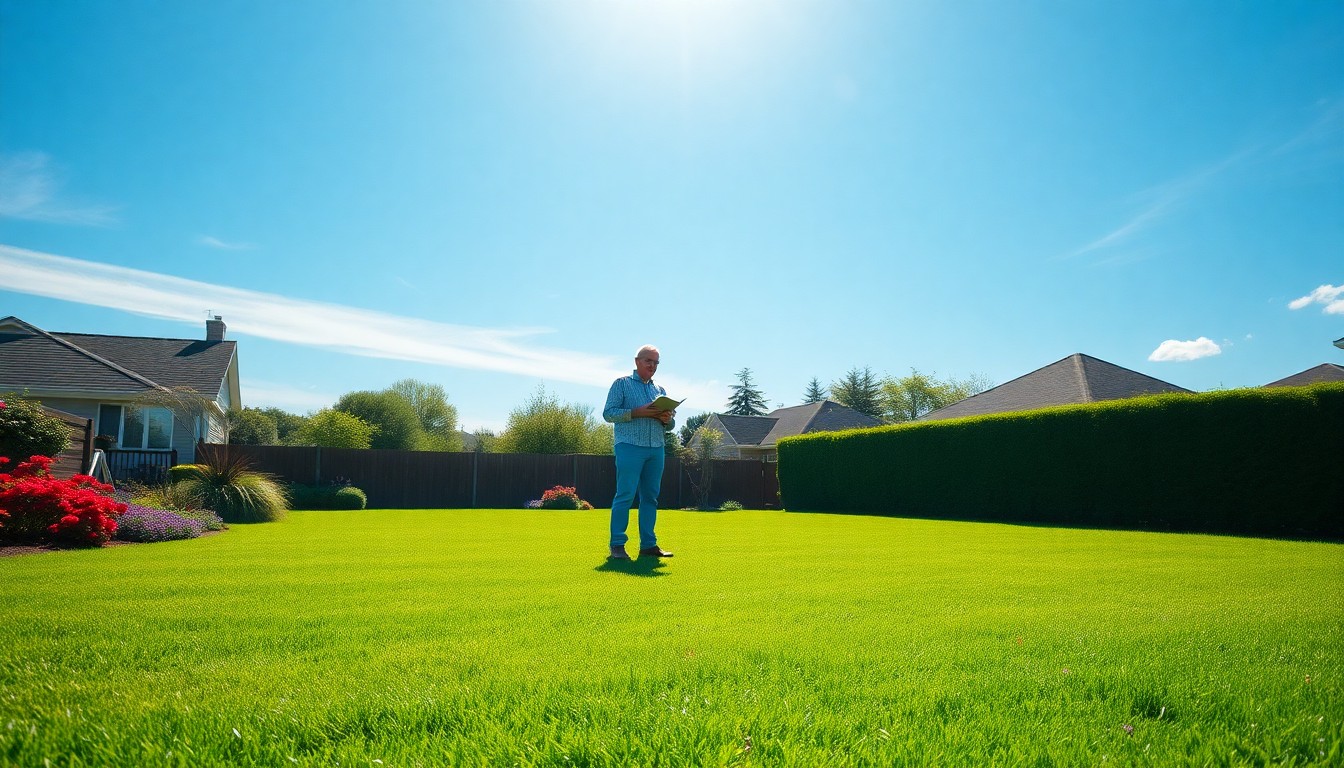
How to Prepare for a Turf Estimate (So You Get Accurate Pricing & Fewer Surprises)
If you’re wondering how to prepare for a turf estimate, here’s the short answer:
- Know your goals (pets, kids, sports, curb appeal, low maintenance)
- Roughly measure your space and note tricky areas (slopes, corners, trees)
- Clear the area enough to be evaluated (move toys, furniture, loose debris)
- Gather photos, HOA rules, and any drainage or irrigation info
- Prepare a realistic budget range and timeline
- Write down your questions about turf types, maintenance, and installation
That’s it. Doing these simple things before your turf estimate sets you up for:
- More accurate pricing
- A smoother conversation
- Fewer surprises later in the process
Now let’s go deeper so you know exactly what to do, what to expect, and how your prep today connects to the rest of the turf journey—especially installation and long‑term care.
Why Preparing for a Turf Estimate Matters Right Now
Artificial turf is a bigger decision than it might seem at first glance. It impacts:
- How you use your yard every day
- How much time you spend maintaining it
- How your property looks and drains after storms
- Your water usage and seasonal costs
Preparing for a turf estimate isn’t busywork—it’s how you:
- Avoid “ballpark” quotes that jump later
- Match the right turf to your actual lifestyle (not just what looks good in photos)
- Spot potential issues early (drainage, access, HOA, pets, shade)
- Feel confident instead of rushed or pressured
Think of your estimate as the “planning session” for everything that comes later—from design and layout to what actually happens during the installation process (more on that in the section that references what to expect during installation).
Step 1: Get Clear on Your Turf Goals
Before anyone measures your yard, be clear on what you want your turf to solve.
Ask yourself:
-
How will this space be used?
- Pets (dog run, full yard, side yard)
- Kids (play area, sports, trampoline zone)
- Entertaining (patio, pool surround, putting green)
- Curb appeal (front yard, parkway, shady side yard)
-
What do you dislike about your current lawn?
- Patchy grass or mud
- Constant watering or mowing
- Allergies
- Bare spots from shade or heavy traffic
-
What matters most to you?
- Soft feel underfoot
- Natural look and color
- Durability for heavy use
- Pet‑friendly drainage and odor control
- Low maintenance over the long term
Bring these priorities to your turf estimate. They directly impact:
- The type of turf recommended
- The infill choice (temperature, cushioning, odor control)
- Sub‑base preparation and drainage planning
- The overall project cost and scope
Step 2: Roughly Measure Your Space (Even If It’s Not Perfect)
You don’t need a surveyor’s tools, but a rough measurement helps you:
- Get a more realistic early price range
- Decide whether you want the entire area done or just sections
- Have a more productive estimate conversation
Basic approach:
-
Grab a tape measure or measure app on your phone
-
Break your yard into simple shapes:
- Rectangles
- Squares
- Approximate triangles or L‑shapes
-
Measure:
- Length and width of each section
- Note any odd angles or curves
-
Write it down:
- “Backyard: about 30’ x 20’”
- “Side yard: 40’ x 6’ (shared fence, narrow access)”
Your turf professional will still take precise measurements, but your rough numbers:
- Help frame early expectations
- Help you compare ideas (full yard vs. partial install)
- Save time during your estimate appointment
Step 3: Tidy Up the Area So It Can Be Properly Evaluated
You don’t need a perfectly manicured yard, but try to:
- Move loose items:
- Toys, furniture, hoses, plant pots, grills
- Clear major debris:
- Large branches, piles of leaves, yard waste
- Make sure gates and side yards are accessible
Why this matters for your turf estimate:
- The installer can actually see the ground condition
- It’s easier to assess slope, drainage, and trip hazards
- Access issues (tight gates, stairs, narrow side yards) can be noted early
This cleanup step will also give you a clearer mental picture of what the finished turf space might feel like.
Step 4: Note Site Conditions That Affect Turf Design & Cost
When you’re learning how to prepare for a turf estimate, this is one of the most overlooked steps—and one of the most important.
Walk your yard and make note of:
-
Drainage and water flow
- Do you see standing water after rain?
- Does water run toward the house, patio, or neighbors?
- Are there low spots that stay soggy?
-
Irrigation and sprinklers
- Do you have an existing sprinkler system?
- Do you know where main lines or valves are?
- Any broken heads or leaks you’re aware of?
-
Trees, roots, and stumps
- Large surface roots
- Tree wells you want to keep
- Old stumps or buried roots
-
Hardscape and edges
- Concrete pads, pavers, decks, or pool coping
- Planter beds or borders you want to keep
- Areas where you want clean, straight edges vs. curves
-
Access challenges
- Narrow gates
- Steep slopes
- Limited street parking or long carries from the street
Bringing this information to your turf estimate allows the professional to:
- Recommend proper base depth
- Plan drainage solutions
- Anticipate extra labor or equipment needs
- Avoid mid‑project surprises
Step 5: Gather Photos, Rules, and Inspiration
Having visual and contextual information ready makes your estimate more efficient and accurate.
Helpful things to prepare:
-
Photos of your yard (from different angles)
-
Inspiration images of turf spaces you like:
- Natural vs. manicured look
- Shade of green and blade height
- Putting green ideas, pet runs, or play zones
-
HOA or city guidelines, for example:
- Restrictions on front yard materials
- Requirements for setbacks or drainage
- Rules about color or appearance
-
Any past yard issues, such as:
- Repeated drainage problems
- Failed grass, erosion, or compaction
- Previous attempts at landscaping that didn’t last
The more context you share, the more tailored and realistic the estimate can be.
Step 6: Have a Budget Range and Timeline in Mind
You don’t need a firm dollar amount, but a range helps guide the conversation.
Think through:
-
What feels like a comfortable total investment?
- Ballpark ranges (for example):
- “Under $5,000”
- “$5,000–$10,000”
- “$10,000–$20,000+” depending on size and complexity
- Ballpark ranges (for example):
-
Do you want the entire project done at once or in phases?
- Front yard first, backyard later
- Turf now, additional features (lighting, plants) later
-
Timing expectations:
- Do you have an event or season you’re targeting?
- Are you flexible or on a firm deadline?
Being open about your range and timing isn’t a commitment—it simply:
- Helps the estimator suggest realistic options
- Avoids designs that don’t match your comfort level
- Gives you a sense of whether now is the right time or if you should plan ahead
Step 7: Prepare Questions for Your Turf Estimate Visit
A good estimate is a two‑way conversation. Write your questions down so you don’t forget them.
Common questions to consider:
-
About the turf itself
- What turf options fit my goals (pets, kids, sports, aesthetics)?
- How hot does this turf get in summer? Any options to reduce heat?
- How long is the warranty and what does it cover?
-
About the installation
- How thick will the base be?
- How is drainage handled?
- How are seams joined and secured?
-
About care and maintenance
- How do I clean and maintain the turf?
- What about pet waste and odor?
- Do I need special tools or products?
-
About long‑term performance
- How does turf hold up to heavy use?
- What if I have future landscaping changes or repairs?
Having these ready turns your turf estimate into a focused planning session instead of an overwhelming information dump.
How Your Estimate Connects to the Installation Process
Everything you do to prepare for a turf estimate directly shapes what happens later during installation.
During your estimate, you’ll likely hear about:
-
Site preparation
- Removing existing grass or materials
- Grading and leveling
- Adding and compacting the base
-
Drainage planning
- Ensuring water flows away from structures
- Addressing low spots or pooling
- Integrating existing drainage or adding new solutions
-
Turf layout and seams
- Direction of the turf grain
- Where seams will be and how they’ll be hidden
- Edging details at patios, walkways, and beds
-
Final details
- Infill type and depth
- Clean‑up and access restoration
If you’d like a clearer picture of what actually happens on installation day and how those steps connect to the planning you do now, you can explore more about what to expect during the installation process. Understanding both sides—the estimate and the install—gives you a more complete sense of the commitment and the long‑term benefits.
Common Mistakes to Avoid When Preparing for a Turf Estimate
As you think through how to prepare for a turf estimate, watch out for these avoidable missteps:
- Focusing only on price per square foot
- Base prep, access, drainage, and turf quality all affect total cost
- Not mentioning pets or heavy use
- Pet areas and sports areas often need specific turf and infill
- Ignoring drainage issues you’ve noticed
- Standing water now can turn into bigger problems under turf
- Skipping questions because you “don’t want to sound picky”
- Clarity up front creates better results and fewer misunderstandings
- Comparing quotes without comparing scope
- Make sure each quote includes similar prep, materials, and details
Quick Checklist: How to Prepare for a Turf Estimate
Use this as a simple pre‑estimate checklist:
- Decide how you’ll use the turf area (pets, play, aesthetics, sports)
- Take rough measurements of each section
- Clear major clutter and debris from the yard
- Note any drainage problems, slopes, or low spots
- Identify existing sprinklers, valves, or visible lines
- Take a few photos of the space
- Collect any HOA or neighborhood rules about landscaping
- Gather inspiration images of turf looks you like
- Consider your budget range and ideal timing
- Write down your questions about turf, installation, and maintenance
Bring this checklist to your appointment or have it handy during a phone or virtual estimate. It keeps you organized and makes the process smoother.
FAQ: Preparing for a Turf Estimate & Turf Basics
| Question | Answer |
|---|---|
| How should I prepare for a turf estimate? | Clarify how you’ll use the space (pets, kids, curb appeal, sports) Take rough measurements of the area Clear clutter and make the yard accessible Note drainage, irrigation, and access issues Gather photos, HOA rules, and inspiration images Decide on a budget range and timing Prepare questions about turf types, installation, and care |
| Do I need exact measurements before getting an estimate? | No. Rough measurements are fine and help with initial pricing. Your turf professional will take precise measurements during the estimate visit or final design phase. |
| Should my yard be completely cleared before the estimate? | It doesn’t need to be perfect, but: Move loose items so the ground is visible Clear large debris or obstructions Make sure gates and side yards are accessible This helps the estimator see slopes, drainage, and any challenges. |
| What should I tell the estimator about pets? | Yes! Be ready to discuss: How many dogs you have and their size If they are diggers or chewers Odor control needs This ensures they quote for pet-specific turf and proper infill. |
| How does drainage affect my turf estimate? | Drainage can change the scope of work. If your yard has standing water or low spots, the installer may recommend more base work, grading, or drainage solutions. Mention any issues you’ve seen after rain. |
| Do I need to shut off or remove sprinklers before installation? | Not before the estimate. Just point out where your lines, valves, and sprinkler heads are. During installation, some components may be capped, rerouted, or integrated depending on the design. |
| Will I get one price or multiple options during the estimate? | Often you can see multiple options, such as: Different turf models and pile heights Pet‑focused vs. general‑use setups Full yard vs. partial installations Your prep (goals, budget, measurements) makes those options more meaningful. |
| How long after the estimate does installation usually take? | It depends on schedule, scope, and season. During your estimate, you can ask about current lead times and how they line up with your ideal timeline. Your readiness with decisions and approvals also influences timing. |
| What should I know about the installation process ahead of time? | Installation typically includes removal of existing material, grading, base installation, turf layout, seaming, infill, and final grooming. Your estimate is where those steps are planned; you can explore more about what to expect during the installation process for a detailed walkthrough. |
| Can I change the design after the estimate? | Usually, yes, within reason. Changes to layout, turf type, or scope may affect pricing and scheduling. It’s best to raise design ideas and priorities during the estimate so revisions are minimal. |
Preparing for your turf estimate doesn’t have to be complicated. With a clear sense of your goals, a bit of measuring and observation, and a short list of questions, you’ll walk into the conversation informed, focused, and confident about your next steps.
Explore Related Turf Resources
Related Turf Guides
- Budget Turf Options for DFW Homes: Affordable Backyard Turf Options That Still Look Great
If you’re a Dallas–Fort Worth homeowner looking for **affordable backyard turf options**, here’s the bottom line:
- Budget Turf Options for Seniors: Simple, Safe, and Affordable
If you’re looking for **budget-friendly turf ideas for seniors**, you’re probably asking one simple question:
- Cutting & Shaping Turf Correctly: The Step You Can’t Afford to Rush
Learn about Cutting & Shaping Turf Correctly: The Step You Can’t Afford to Rush with practical guidance from All American Turf in Dallas-Fort Worth.
- DFW Turf Cost Expectations: Understanding the Investment
**?
- DFW Turf Cost Overview: Average DFW Turf Cost Explained & What Impacts ROI
If you’re just trying to get a realistic number fast, here’s the short version most DFW homeowners are searching for: