
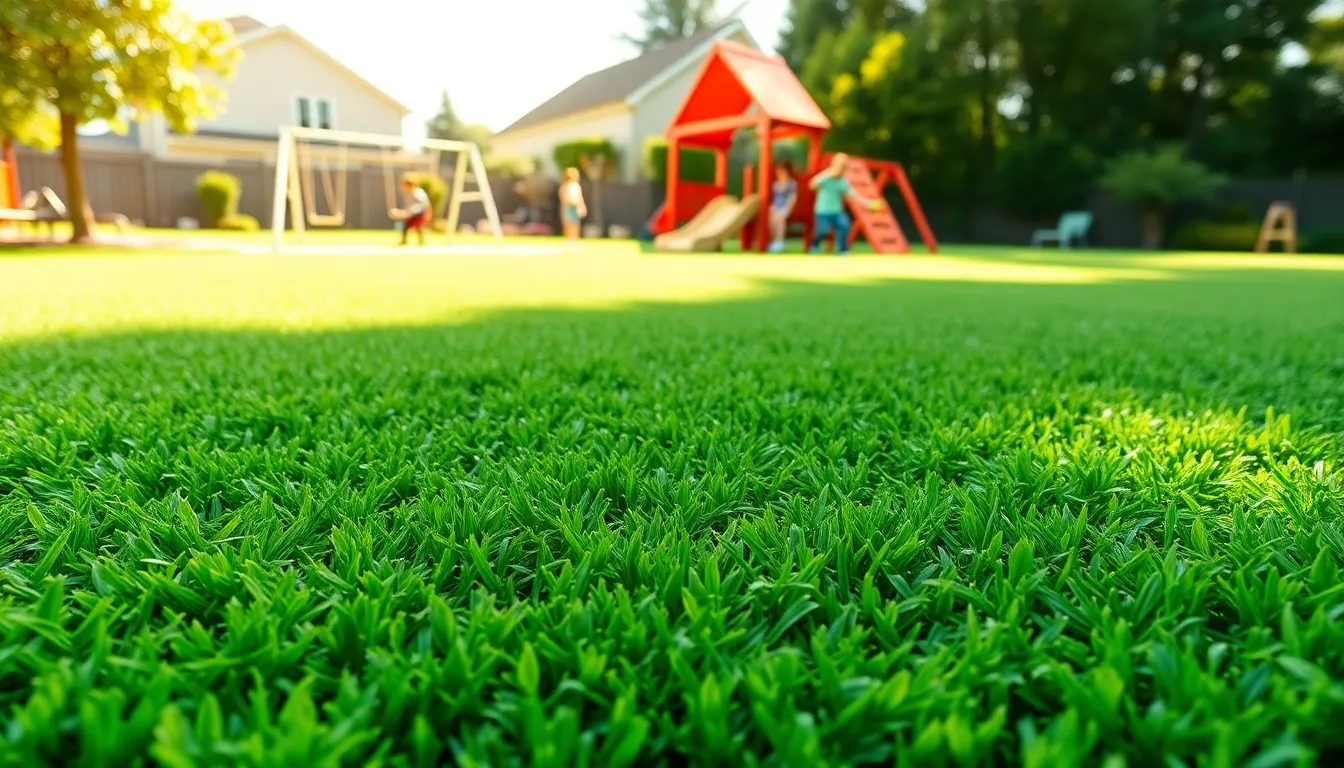
The Definitive Guide to Choosing the Best Playground Infill for Safety and Durability
The best playground infill is a high-performance material—such as non-toxic acrylic-coated sand, specialty crumb rubber (SBR), or organic options like cork or coconut—that provides critical shock absorption (HIC rating compliance), optimal drainage, and superior stability to anchor the turf fibers while remaining safe for children and durable against heavy use. For the safety-conscious homeowner or facility manager, choosing the right infill is the single most important factor for creating a long-lasting, safe synthetic turf playground.
In-Depth Guide
When investing in a synthetic turf playground, the quality of the turf is only half the equation; the infill is the functional element that ensures safety and longevity.
Understanding the Function of Infill
Infill serves several essential purposes: it weighs down the turf backing to prevent shifting and wrinkling, it helps the synthetic blades stand upright, and, most critically, it cushions falls. For playgrounds, the infill must meet Head Injury Criterion (HIC) safety standards for the intended fall height.
Comparing Popular Infill Materials * Silica Sand: While economical and readily available, standard silica sand offers minimal shock absorption and can compact heavily, reducing drainage and safety over time. It is not typically recommended for high-performance playgrounds.
-
Acrylic-Coated Sand (Envirofill/T°Cool): This is a high-grade option. The non-toxic coating prevents dust and minimizes heating. Its uniform particle size provides excellent drainage and moderate impact protection, making it a safe and clean choice that is superior to raw sand.
-
TPE (Thermoplastic Elastomer): TPE granules are non-toxic, highly resilient, and offer superior cushioning and cooler temperatures compared to traditional black rubber. It is a premium choice used frequently in commercial and high-end residential playgrounds.
-
SBR (Styrene Butadiene Rubber - Crumb Rubber): This infill offers excellent shock absorption and is cost-effective, often made from recycled tires. While widely used, concerns about heat retention and material composition mean you must confirm its non-toxic, coated status for playground use.
-
Organic Infills (Cork/Coconut Fiber): These natural materials are heat-resistant and environmentally friendly. While they provide good cushioning, they may require more maintenance due to organic breakdown and potential displacement.
Ensuring Adequate Drainage and Cleanliness
Playground infill must promote water permeability. If the infill compacts or retains moisture, it can lead to standing water, mildew, and potential hygiene issues, especially in high-use settings or following pet accidents. Look for products designed with particle shape and porosity that maximize efficient vertical drainage through the turf system.
Key Takeaways
- Safety First: Confirm the infill meets HIC standards for the required fall height.
- Temperature Control: Prioritize coated or organic infills (like TPE or acrylic-coated sand) to minimize heat buildup in direct Texas sun.
- Durability: Choose a material that resists compaction to maintain cushioning and drainage over years of heavy foot traffic.
- Maintenance: Expect to periodically rake, replenish, and disinfect the infill regardless of the material chosen.
- Odor Control: For areas where pets may access the playground, ensure the infill system includes a granular deodorizer (like ZeoFill) or antimicrobial properties.
The choice of infill is magnified when considering large-scale installations with strict safety mandates. To explore the implications for public areas, we recommend reviewing our guidelines on selecting the best infill for school turf choosing the right infill materials for school playgrounds.
Explore Related Turf Resources
Related Turf Guides
- Apartment Patio Turf Solutions: How to Transform Small Spaces Fast
If you’re searching for apartment patio turf solutions, you’re likely asking one core question:
- Commercial Environmental Compliance for Turf: What It Is and Why It Matters Right Now
If you manage or influence any commercial property with turf—corporate campuses, schools, sports fields, HOAs, retail centers—**commercial environmental compliance for turf** is no longer “nice to ...
- Commercial Rooftop Turf: The Fastest Way to Turn Unused Roof Space into Usable Square Footage
If you’re wondering how to transform a bare, hot rooftop into something people actually want to use, commercial rooftop turf solutions are often the most practical starting point.
- Commercial Turf Cost: What You Should Really Expect to Pay
If you’re looking for a fast, realistic answer on **commercial turf cost**, here it is:
- Cool Turf for Play Areas: How to Keep Playground Surfaces Safer and More Comfortable
If you’re searching for **cooler turf for child play areas**, you’re probably worried about one thing first: **heat**.