
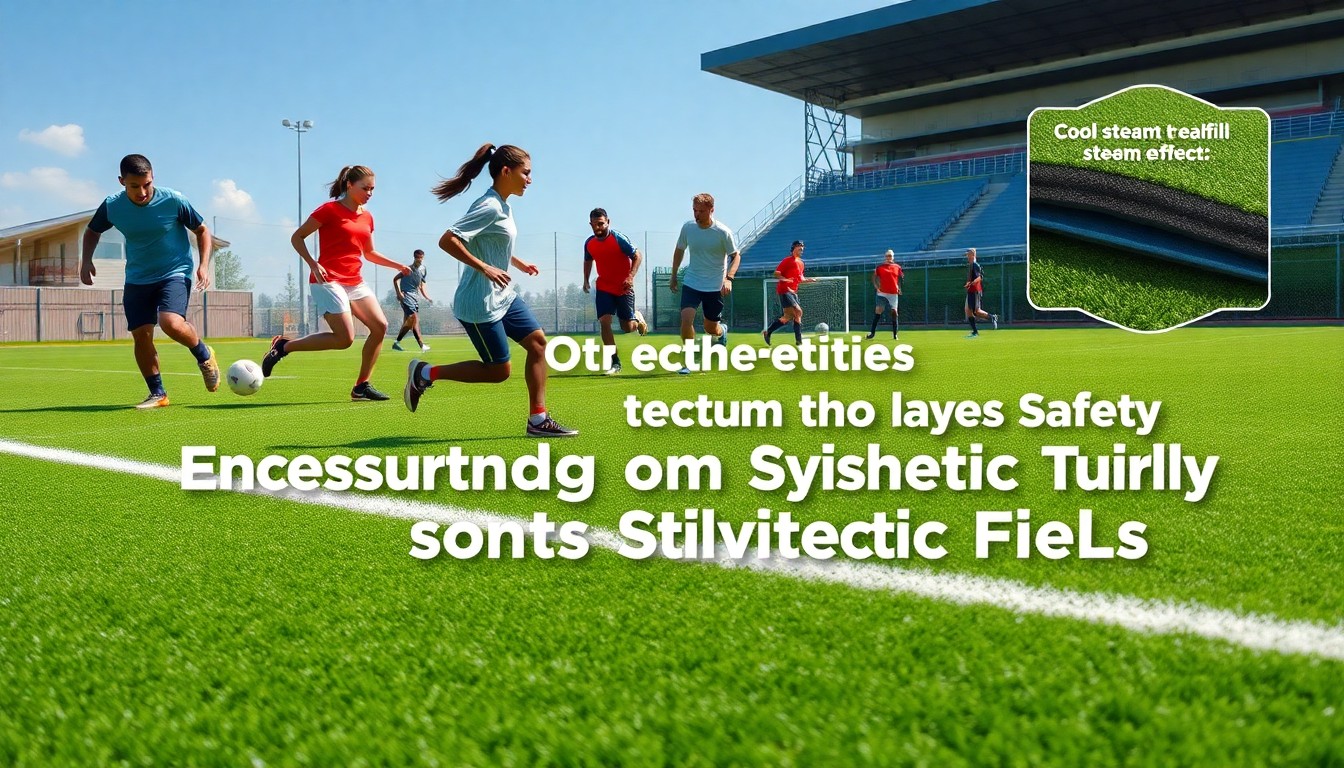
The Definitive Guide to Ensuring Player Safety on Synthetic Turf Fields
##?
Player safety on artificial turf is primarily achieved through engineering the field system—including the base, padding, and infill material—to maintain optimal shock absorption and consistency over time. Modern sports turf is designed to mitigate impact forces, provide reliable footing, and eliminate surface irregularities, ensuring the playing field remains predictable and safe for high-impact activities.
2. Deep Dive (Detailed Why and How)
When you are investing in a new or replacement sports field, player welfare must be the highest priority. The debate around turf versus natural grass often centers on injury rates, but the safety of a synthetic field is fundamentally determined by the quality of its installation and materials.
The critical metric for assessing safety is shock absorption. When an athlete falls or makes contact with the surface, the field must cushion that impact to reduce the risk of concussions and lower-body joint injuries. This capacity is measured using tools like the GMAX test.
A poorly maintained or improperly installed turf field can lose its shock-absorbing capacity over time, becoming too hard or inconsistent. Quality systems address this by incorporating performance-enhancing padding beneath the turf carpet and utilizing specific infill materials (like rubber crumb or specialized organics) that resist compaction.
Another key component is reliable traction. High-quality turf provides consistent cleat grip, which is essential for rapid directional changes. Natural grass, especially when wet or worn, can present uneven footing, leading to slips or cleats getting dangerously stuck. For synthetic turf, the fiber structure and infill ratio are carefully balanced to offer optimal release and grip.
Finally, temperature management plays a role, especially in warmer climates. Turf surfaces can absorb and retain heat. To ensure safety and prevent heat-related issues, modern solutions utilize advanced infills and proprietary cooling technology to keep the surface temperature regulated, making the playing environment safer during intense heat.
3. Quick Reference (Bulleted Key Takeaways)
- Shock Absorption: Rely on GMAX testing and quality padding systems to maximize impact cushioning.
- Surface Consistency: Eliminate the unevenness, holes, and mud patches common with natural fields.
- Traction Control: Engineered fiber and infill ensure consistent cleat grip and reliable foot release.
- Heat Mitigation: Implement cooling technologies and specialized infills to maintain safe surface temperatures.
- Durability: High-grade materials resist matting and compaction, ensuring safety features last for years.
4. Strategic Hyperlink
Understanding field hardness is crucial for maintenance and warranty adherence. To learn how performance testing scientifically validates your field's safety specifications, we recommend reviewing our guide on how GMAX ratings impact player safety.
Explore Related Turf Resources
Related Turf Guides
- Apartment Patio Turf Solutions: How to Transform Small Spaces Fast
If you’re searching for apartment patio turf solutions, you’re likely asking one core question:
- Commercial Environmental Compliance for Turf: What It Is and Why It Matters Right Now
If you manage or influence any commercial property with turf—corporate campuses, schools, sports fields, HOAs, retail centers—**commercial environmental compliance for turf** is no longer “nice to ...
- Commercial Rooftop Turf: The Fastest Way to Turn Unused Roof Space into Usable Square Footage
If you’re wondering how to transform a bare, hot rooftop into something people actually want to use, commercial rooftop turf solutions are often the most practical starting point.
- Commercial Turf Cost: What You Should Really Expect to Pay
If you’re looking for a fast, realistic answer on **commercial turf cost**, here it is:
- Cool Turf for Play Areas: How to Keep Playground Surfaces Safer and More Comfortable
If you’re searching for **cooler turf for child play areas**, you’re probably worried about one thing first: **heat**.