
The Definitive Guide to HOA Rules for Artificial Turf in Rental Properties
##?
For rental properties managed by a Homeowners Association (HOA), navigating artificial turf installation requires a proactive approach focused on securing written approval before commencing work. Most HOAs, driven by drought concerns and maintenance standardization, now permit high-quality synthetic grass but often stipulate requirements regarding color, pile height, and material quality. Compliance is non-negotiable to avoid fines and potential removal mandates.
2. Deep Dive (Detailed Why and How)
Understanding the HOA’s Perspective
HOAs exist to protect property values and maintain aesthetic consistency within the community. When it comes to landscaping, they are primarily concerned with eliminating unkempt yards and preventing materials that look cheap or fade quickly. For a rental property owner, this means the quality of your chosen turf is paramount. Investing in a premium product that mirrors natural grass closely—often polyethylene fibers with dense thatch—will significantly increase your chance of quick approval.
The Application and Approval Process
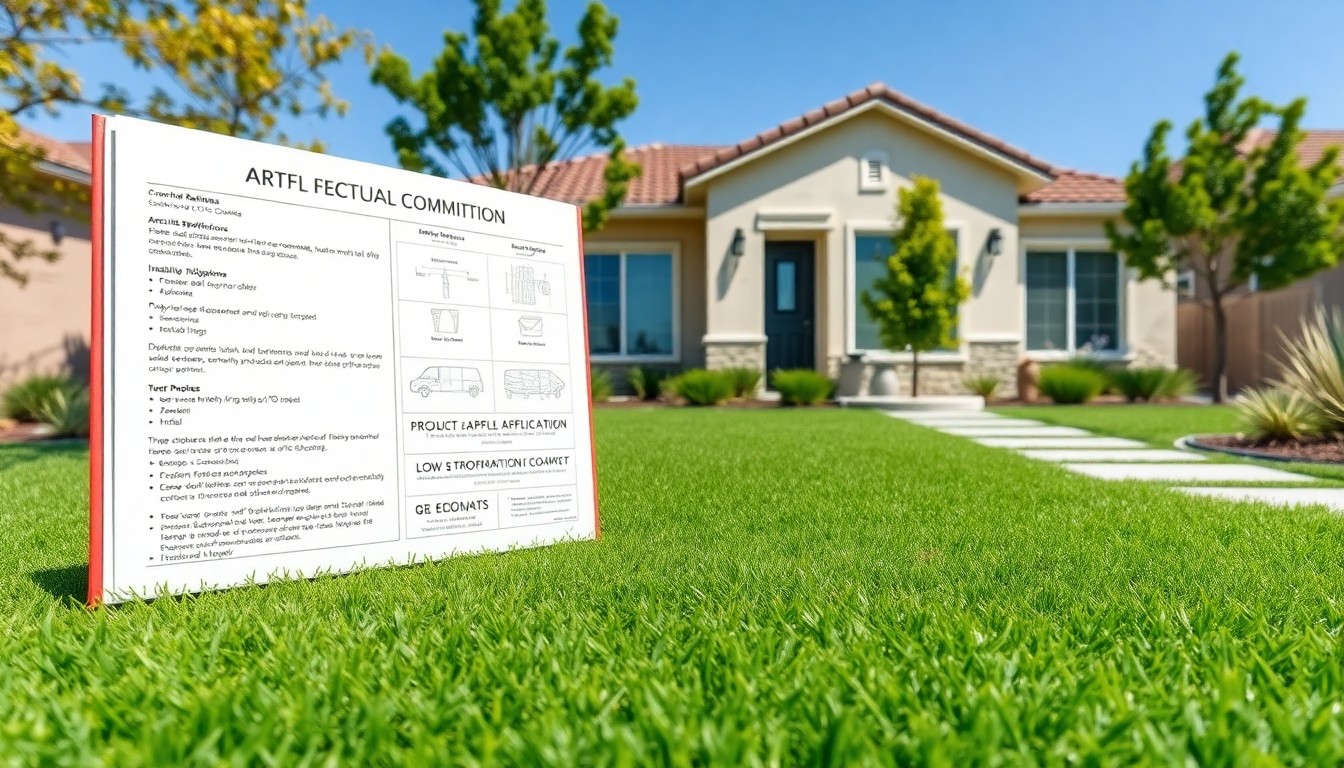
The first step is always submitting a formal Architectural Review Committee (ARC) application. Never assume compliance. Your application should include: * Product Specifications: Samples, manufacturer details, fiber composition, and warranty information.
- Installation Plan: Detailed drawings showing the exact areas receiving turf, including how edges and borders (e.g., concrete, pavers) will be handled.
- Drainage Strategy: Assurance that the installation meets necessary water management standards, crucial for dealing with tenant and pet usage.Expect a review period. Follow up politely, and be prepared to make minor adjustments to your plan based on their feedback.
Navigating Key Regulations
HOAs frequently impose rules on specific technical aspects: * Color and Appearance: They may mandate a specific shade or prohibit turf that is excessively shiny or "too perfect."
- Pile Height: Shorter pile heights (under 2 inches) are often preferred for their neat, manicured appearance.
- Infill Type: If the property will allow pets, ensure the HOA approves of pet-specific infills (like zeolite) for odor control, as some only permit standard silica sand.Remember, as the property owner, you are responsible for the tenant’s adherence to all external maintenance rules. Artificial turf significantly reduces this risk by eliminating most upkeep requirements.
3. Quick Reference (Bulleted Key Takeaways)
- Obtain Written Approval: Always submit an ARC application before ordering or installing turf.
- Prioritize Premium Materials: High-quality turf minimizes fade risk and maximizes approval likelihood.
- Document Everything: Include specs, site plans, and drainage details in your application.
- Know the Restrictions: Confirm allowed color, pile height, and infill to avoid costly re-work.
- Owner Responsibility: As the landlord, you are financially responsible for any HOA fines resulting from non-compliance.
4. Strategic Hyperlink
Installing synthetic grass at a rental property is a strategic financial decision that attracts quality tenants and reduces operating expenses. To see how a compliant installation protects and increases your asset's value, review our guide on how to ensure the best possible compliance with HOA turf regulations.
Explore Related Turf Resources
Related Turf Guides
- Apartment Patio Turf Solutions: How to Transform Small Spaces Fast
If you’re searching for apartment patio turf solutions, you’re likely asking one core question:
- Commercial Environmental Compliance for Turf: What It Is and Why It Matters Right Now
If you manage or influence any commercial property with turf—corporate campuses, schools, sports fields, HOAs, retail centers—**commercial environmental compliance for turf** is no longer “nice to ...
- Commercial Rooftop Turf: The Fastest Way to Turn Unused Roof Space into Usable Square Footage
If you’re wondering how to transform a bare, hot rooftop into something people actually want to use, commercial rooftop turf solutions are often the most practical starting point.
- Commercial Turf Cost: What You Should Really Expect to Pay
If you’re looking for a fast, realistic answer on **commercial turf cost**, here it is:
- Cool Turf for Play Areas: How to Keep Playground Surfaces Safer and More Comfortable
If you’re searching for **cooler turf for child play areas**, you’re probably worried about one thing first: **heat**.