
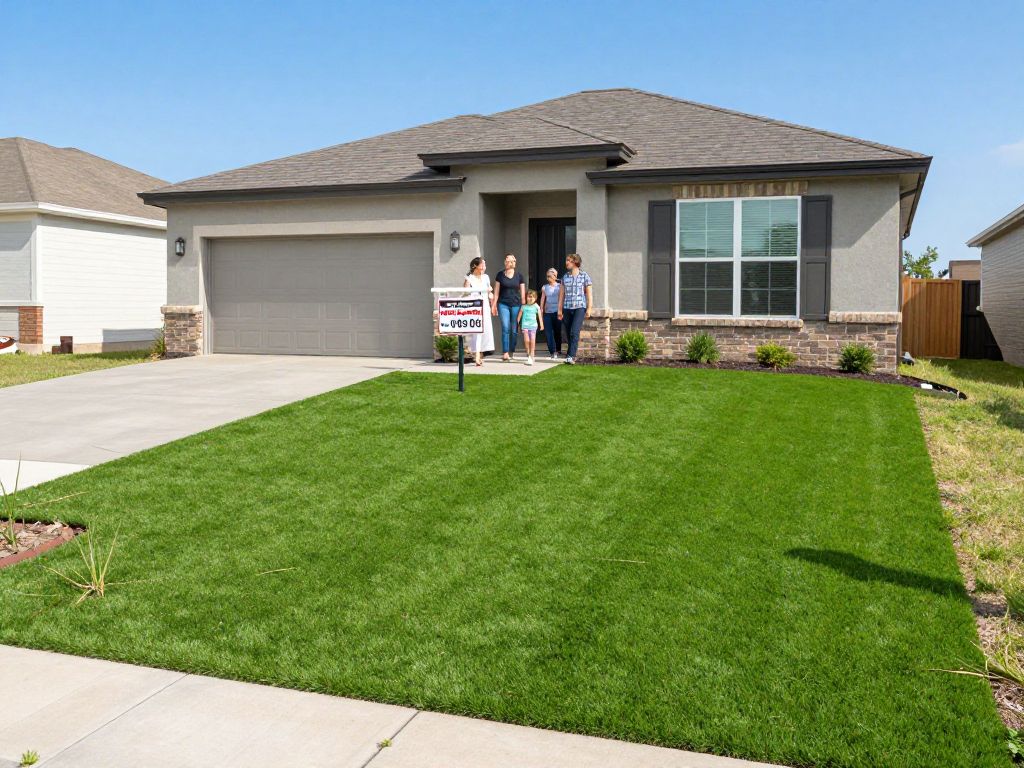
The Definitive Guide to Artificial Turf's Impact on Rental Property Value
##?
Installing high-quality artificial turf at a rental property significantly increases its value and rental yield by reducing landlord maintenance expenses, eliminating tenant landscaping responsibilities, boosting curb appeal, and protecting the property from water damage and wear-and-tear. For property owners, synthetic grass is a strategic capital expenditure that ensures long-term operational efficiency and tenant satisfaction.
2. Deep Dive (Detailed Why and How)
Maximizing Financial Returns and Minimizing Owner Liability
For rental property owners, natural grass presents two major challenges: high, unpredictable maintenance costs and the potential for yard damage by tenants. Artificial turf addresses both head-on.
By replacing natural lawn, you immediately eliminate expenses associated with professional mowing, fertilization, pest control, and seasonal reseeding. This reduction in operating expenditures translates directly into higher net operating income (NOI), which is the core metric used to calculate property valuation.
Furthermore, removing the burden of lawn care from tenants simplifies the lease agreement and drastically reduces the chances of yard neglect (e.g., brown, dead grass) which can quickly detract from a property's appeal and prompt costly repairs.Attracting Higher-Quality Tenants
The rental market is competitive. Properties with superior, low-maintenance amenities attract more desirable tenants who are willing to pay a premium for convenience.
A flawless, year-round green lawn acts as a powerful differentiator. It enhances the property’s curb appeal, signaling to prospective renters that the property is modern and well-maintained. This can lead to faster leasing cycles and justify a higher monthly rent, further contributing to the property's valuation.
The synthetic lawn also provides tenants with a consistently clean, mud-free outdoor space suitable for pets, children, and entertaining, without requiring them to lift a finger for maintenance.Durability and Longevity as an Asset
Modern artificial turf is built to withstand high traffic, pet use, and the intense DFW climate for 15 to 25 years. This longevity means the initial investment pays dividends over multiple tenancy cycles without needing replacement or significant repair.
The excellent drainage engineered into turf systems also protects the property foundation by channeling water away efficiently, mitigating risks associated with standing water, which can be a major issue for DFW homes. This resilience stabilizes the long-term quality of the asset.
3. Quick Reference (Bulleted Key Takeaways)
- Increased NOI: Elimination of recurring lawn maintenance costs boosts net operating income.
- Higher Rents: Superior curb appeal justifies a higher monthly rental price.
- Reduced Vacancy: Attractive, low-maintenance yards attract high-quality tenants faster.
- Asset Protection: Durable turf resists wear-and-tear from pets and weather, protecting property value.
- Zero Tenant Burden: Removes the risk of damage or neglect from tenants responsible for lawn upkeep.
4. Strategic Hyperlink
To fully assess the financial advantages of this investment, you must analyze the operating budget savings against the initial installation cost. Learn more about the specific impact on property value by reducing long-term landscaping expenditures.
Explore Related Turf Resources
Related Turf Guides
- Accessible Drainage Solutions for Turf: The Key to Truly Senior-Friendly Outdoor Spaces
If you’re exploring senior-friendly turf, accessible drainage solutions for turf are just as important as the turf itself.
- Aesthetic Comparison: Turf vs. Grass (and What Actually Looks Better Long-Term)
If you’re weighing turf pros and cons, the **aesthetic differences between turf and grass** are probably at the top of your list.
- Annual Turf Care Calendar: Your Simple, Seasonal Guide to a Healthier Lawn
If you’re wondering, “What should I be doing for my lawn right now?” the answer lives inside an **annual turf care calendar**.
- Are luxury artificial turf options worth the investment for DFW homeowners?
Yes, upgrading to luxury artificial grass offers unmatched aesthetics, superior durability, and a premium feel that significantly elevates your home’s outdoor living experience and long-term value.
- Are you tired of staring at a dull, high-maintenance patch of grass?
**Yes, you can absolutely transform your yard into a stunning, functional space with a backyard landscaping makeover, and synthetic turf is often the key ingredient for DFW homeowners.**