
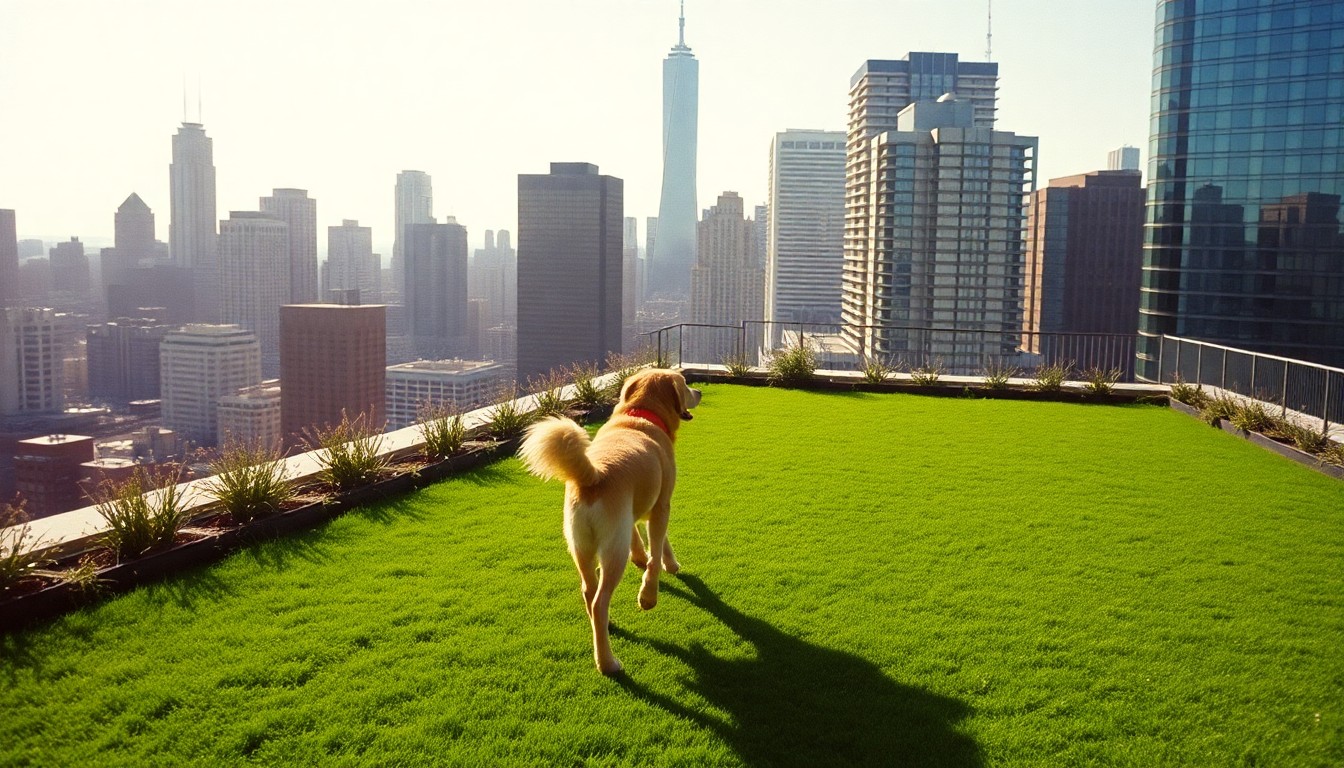
Turf for Dog-Friendly Apartments: The Simple Upgrade That Makes Apartment Living Easier with Pets
If you’re searching for turf for dog-friendly apartments, you’re probably wondering one thing:
Can artificial turf really make apartment life easier, cleaner, and more comfortable for me and my dog?
For most renters and building owners, the answer is yes—when it’s planned and maintained correctly.
Here’s the quick version:
- Dog-friendly turf gives pets a consistent place to play and potty, even in small or high-rise apartments.
- It helps reduce mud, odors, and mess compared to natural grass or concrete-only spaces.
- It can turn unusable outdoor nooks—balconies, rooftops, side yards—into practical, pet-safe zones.
- The key is choosing the right turf, planning for drainage and hygiene, and having a simple upkeep routine.
Now, let’s go deeper into how turf for dog-friendly apartments really works, what to look for, and how to make it last.
Why Turf Is Becoming a Go-To for Dog-Friendly Apartments
Apartment living with dogs can be challenging:
- Limited outdoor space
- Shared common areas
- Noise and damage concerns
- Inconsistent access to grass
Pet-friendly turf offers a middle ground:
- Softer and more natural-feeling than concrete or decking
- More durable and predictable than small grass patches
- Easier to keep clean and odor-controlled than soil or planters
Instead of relying on public sidewalks or distant dog parks, turf for dog-friendly apartments creates dedicated spaces that work for both pets and people.
Where Turf Works Best in Dog-Friendly Apartments
You don’t need a large yard to make turf worth it. Some of the most effective installations are surprisingly small and strategic.
- Common places turf is used in apartments:
-
Balconies and patios
- Small “relief” areas for potty breaks
- Soft play space for small or senior dogs
-
Rooftop terraces
- Shared dog runs or pet zones
- Designated off-leash play areas
-
Courtyards and side yards
- Central dog area instead of scattered, worn grass
- Controlled traffic patterns to protect other landscaping
-
Designated pet relief stations
- Near parking or entryways
- Reducing accidents in hallways and elevators
In each case, the goal is the same: make pet needs easier to manage while keeping the property clean, attractive, and durable.
Key Features of Good Turf for Dog-Friendly Apartments
Not all artificial grass is ideal for dogs—especially in multi-unit buildings. If you’re evaluating options, these are the characteristics that matter most.
1. Drainage Performance
For dog use, this is non-negotiable.
Look for turf that:
- Has permeable backing to allow liquid to pass through quickly
- Is installed with a sloped base to move water and urine away
- Works with your building’s existing drainage system (especially on balconies and rooftops)
Good drainage reduces:
- Standing water
- Odors
- Bacterial growth
- Slippery surfaces after rain or cleaning
2. Pet-Safe Materials
Dogs roll, lick, and occasionally chew surfaces. Turf for dog-friendly apartments should be:
- Lead-free and heavy-metal free
- Non-toxic fibers and infill
- Heat-moderating where possible (lighter colors or cooling infills)
Ask about:
- Safety testing or certifications
- Materials used in backing and infill
- Any chemicals required for cleaning or odor control
3. Durability Under Repeated Use
Shared pet areas see heavy daily use.
Choose turf that:
- Has dense, high-stitch fibers to resist matting
- Uses strong backing that won’t crack or separate quickly
- Is rated for high traffic or commercial use if for a common area
This is especially important for:
- Dog runs
- Rooftops with many residents
- High-traffic relief areas near entrances
4. Comfort for Paws and Joints
Dogs experience turf with their whole body, not just their eyes.
Ideal pet-friendly turf feels:
- Soft but not overly long (shorter blades are easier to clean)
- Cushioned enough for seniors or small breeds
- Even and stable—no dips, tripping points, or loose edges
Comfort becomes especially important for:
- Older dogs with arthritis
- Puppies learning to walk and play
- Small dogs sensitive to hot or rough surfaces
Apartment-Friendly Turf vs. Traditional Pet Areas
The choice often comes down to three main options: natural grass, hardscape (concrete, tile, decking), or turf.
| Feature | Natural Grass | Concrete/Tile | Turf for Dog-Friendly Apartments |
|---|---|---|---|
| Mud & dirt | High in wet weather | None | Very low |
| Wear from dog traffic | Bare patches & holes | Scratches/slips possible | Designed to handle repeated use |
| Odor control | Depends on soil & drainage | Urine builds on surface | Designed with drainage & cleaning in mind |
| Comfort for dogs | High when healthy | Medium–low | High with pet-friendly turf |
| Maintenance effort | Mowing, reseeding, watering | Sweeping, washing | Rinsing, brushing, periodic deep clean |
| Feasibility on balconies/roof | Very limited | Common but not dog-focused | Specifically suited when planned well |
Turf isn’t a “magic fix,” but when you compare it to worn grass or constantly-soaked concrete, it often becomes the more practical long-term solution—especially in urban apartments.
Common Misconceptions About Turf in Dog-Friendly Apartments
“Turf will always smell bad with dogs.”
Odor usually comes from poor drainage and infrequent cleaning, not the turf itself. With:
- Proper base and slope
- Regular rinsing
- Occasional pet-safe odor treatments
you can keep smells under control.
“Dogs can’t potty on turf—they need real grass.”
Most dogs can be trained to use turf just like grass:
- Start with short, supervised sessions
- Use familiar potty cues and rewards
- Consider a small “transition” area with real grass or pads at first
“Turf is too hot for dogs in the summer.”
Like most surfaces, turf can heat up in direct sun. You can reduce this by:
- Adding shade where possible
- Choosing turf with lighter colors or cooling technology
- Limiting mid-day use in extreme heat
- Keeping water easily accessible
Designing Turf Spaces that Actually Work for Dogs (and People)
When planning turf for dog-friendly apartments, design matters as much as material.
- Think through:
-
Size:
- Even small balconies can work for potty breaks
- Shared dog runs may need more space for play and socialization
-
Traffic Flow:
- Clear entry/exit points
- Paths that keep muddy paws away from doors and hallways
-
Zoning:
- Separate potty areas from play/social areas, when possible
- Create “quiet corners” for nervous or older dogs
-
Safety:
- Avoid sharp edges on borders
- Ensure railings and balcony edges are secure
- Prevent tripping hazards and loose seams
The best pet-friendly turf setups blend into the property: they look intentional, not like an afterthought.
Simple Everyday Management Tips for Turf in Dog-Friendly Apartments
To keep turf clean and comfortable in an apartment setting, consistency is more important than intensity.
- Everyday basics:
-
Pick up solid waste quickly
- Use bags as you would on a walk
- Remove any residue with a quick rinse
-
Rinse high-use areas
- Especially where dogs regularly relieve themselves
- A light hose rinse or watering can often works on balconies
-
Check for debris
- Leaves, food, and trash can trap moisture and odors
- Remove toys and bowls when not in use
Over time, what you’re building is a routine, not a chore.
For more detailed, long-term routines—including deep-cleaning schedules and seasonal care—see how ongoing care works on a long-term pet turf maintenance plan. This kind of approach is what keeps turf in dog-friendly apartments looking and smelling good months and years down the line.
How Turf Changes the Experience of Apartment Life with Dogs
When turf is planned thoughtfully, it directly improves daily life for:
Residents:
- Faster, easier potty trips—especially early morning or late night
- Cleaner paws and fewer indoor messes
- A defined space to train, play, or relax with their dogs
Property managers and owners:
- Less damage to landscaping and shared lawns
- Clear rules and designated pet zones
- Amenities that attract and retain pet-owning residents
Neighbors without pets:
- Fewer surprise messes in common grass or walkways
- Less dirt tracked through halls and elevators
- More organized, predictable shared spaces
In other words, turf for dog-friendly apartments doesn’t just help dogs—it helps the entire building function more smoothly.
Is Turf Right for Your Dog-Friendly Apartment?
Turf is most worth exploring if:
- You have limited or inconsistent access to natural grass
- You’re dealing with mud, stains, or worn patches in existing pet areas
- You want a cleaner, more controlled potty or play space
- You’re planning or updating pet amenities in an apartment complex
It may be less ideal if:
- Drainage cannot be properly addressed
- The only available space receives extreme, unshaded heat all day
- There’s no commitment to basic ongoing maintenance
If those hurdles can be solved, turf often becomes one of the most practical upgrades for dog-friendly apartments.
FAQ: Turf for Dog-Friendly Apartments
| Question | Answer |
|---|---|
| Can dogs safely use artificial turf every day? | Yes, when the turf is made from non-toxic, pet-safe materials and installed with good drainage. Many dogs use turf daily in apartments, dog parks, and training facilities. |
| How do you keep turf from smelling like dog urine? | Pick up solids promptly, rinse regularly, ensure proper drainage, and use pet-safe odor-neutralizing products as needed. A consistent routine is more effective than occasional heavy cleaning. |
| Will my dog know to potty on the turf? | Most dogs adapt quickly with guidance. Take them to the turf area at usual potty times, use familiar cues, and reward immediately when they go. Consistency helps form the habit. |
| Does turf get too hot for dogs’ paws? | Turf can heat up in strong sun, similar to other outdoor surfaces. Shade, lighter-colored turf, cooling infills, and avoiding peak-heat hours help keep it more comfortable. |
| How long does turf last in a dog-friendly apartment? | With reasonable use and proper care, turf in residential or light-shared areas can last several years. In high-traffic common spaces, lifespan depends heavily on maintenance and use patterns. |
| Is turf suitable for balconies in high-rise apartments? | Often yes, if weight limits, drainage, and building rules are respected. Proper underlayment, edge containment, and a clear cleaning plan are essential. |
| What kind of maintenance does pet turf need long-term? | Routine rinsing, debris removal, occasional brushing, and periodic deeper cleanings. A structured plan like a long-term pet turf maintenance approach helps keep turf sanitary and comfortable over time. |
| Can turf be used for both potty and play areas? | Yes, but separating heavy potty zones from main play zones—when possible—can make cleaning easier and keep play areas fresher. |
By understanding how turf for dog-friendly apartments works—and what it needs to stay clean and comfortable—you can make more confident choices about pet spaces, whether you’re a renter, a pet parent, or managing an entire building.
Explore Related Turf Resources
Related Turf Guides
- Antimicrobial Turf Benefits: What It Is, Why It Matters, and How Infill & Materials Affect Performance
If you’re wondering whether antimicrobial turf is really worth paying attention to, here’s the short answer:
- Best Turf Materials For Pools
The Definitive Guide to Best Turf Materials for DFW Pool Areas1. Direct Answer Intro (Featured Snippet Optimized)The best artificial turf materials for pool surrounds are high-grade, flow-through ...
- Can artificial turf provide a safer, cleaner, and more durable playground surface for daycares?
Yes, artificial turf is widely recognized as the superior surfacing choice for daycare and educational playgrounds, providing a consistently safe, antimicrobial, and low-maintenance environment tha...
- Custom Putting Green Design: Transforming Your Backyard into a Personal Training Facility
Custom Putting Green Design: Transforming Your Backyard into a Personal Training Facility1. Direct Answer Intro (Featured Snippet Optimized)
- Diy Vs Professional Pet Turf Installation
The decision between a DIY pet turf installation and hiring a professional comes down to balancing cost savings against specialized expertise in drainage, base preparation, and selecting pet-specif...