
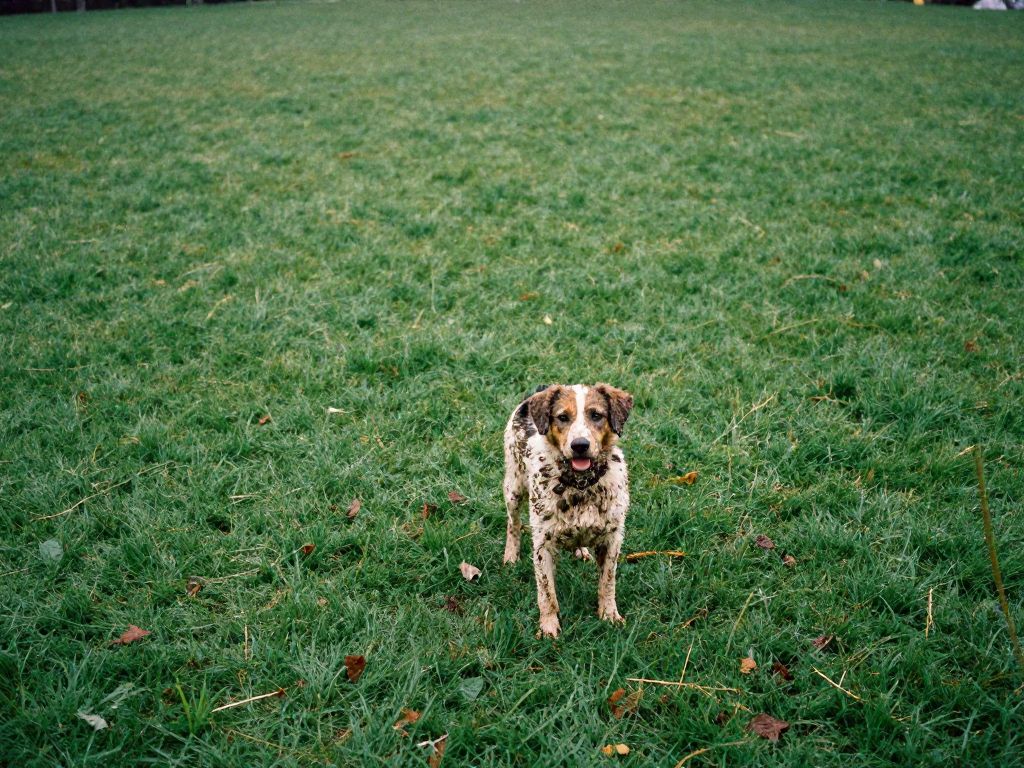
Turf & Mud Prevention for Dogs: How to Finally Prevent Muddy Paws with Turf
If you’re searching for how to prevent muddy paws with turf, here’s the short answer upfront:
- Replace or reinforce high-traffic, muddy areas with pet-friendly turf
- Make sure there’s a proper drainage base underneath
- Choose turf with durable fibers and pet-safe infill
- Rinse and brush it regularly to keep it clean, odor-free, and mud-free
Everything else—odor, mud tracked into the house, torn-up grass—comes down to how well you plan and maintain your turf.
Below, we’ll go deeper into turf and mud prevention for dogs, why it matters, how it works, and what to consider if you want a clean, dry, dog-ready yard year-round.
Why Mud Is Such a Big Problem in Dog Yards
Mud isn’t just a minor nuisance. For dog owners, it quickly becomes a constant chore:
- Muddy paws on floors, rugs, and furniture
- Digging and holes in wet grass
- Bacteria and parasites in standing water or soggy soil
- Seasonal issues: spring thaw, rainy seasons, and winter transitions
Most natural lawns simply can’t withstand the repeated wear and tear from dogs:
- Heavy foot traffic compacts soil
- Grass dies away in favorite play zones and potty spots
- Bare dirt becomes mud pits any time it rains
That’s where pet-friendly turf comes in—not just as a “fake grass” solution, but as a long-term turf and mud prevention strategy for dogs.
How Turf Prevents Muddy Paws (and Keeps Your Home Cleaner)
When people talk about how to prevent muddy paws with turf, they’re really talking about three core benefits:
- No exposed dirt → no mud to stick to paws
- Fast drainage → rainwater doesn’t pool
- Durable surface → dogs can run, zoom, and play without destroying it
A well-installed pet turf system replaces the problem layers (muddy soil) with a stable, draining base and synthetic grass fibers that:
- Don’t break down into mud
- Don’t turn patchy or bald
- Don’t get slippery and messy when wet
The result: dogs still get their outdoor time, but you’re not cleaning up after the ground every time it rains.
Key Components of a Mud-Free Pet-Friendly Turf Setup
To truly prevent muddy paws with turf, focus on the system, not just the surface.
1. Solid, Draining Base Layer
Mud prevention starts below the turf:
- Compacted crushed rock or decomposed granite
- Graded (slightly sloped) to move water away from the house
- Enough depth to handle heavy rain and heavy dog traffic
This layer ensures:
- No soft, boggy spots
- No pooling water that turns into muck
- A solid foundation that won’t shift with running, stopping, and digging
2. Pet-Friendly Turf Fibers
Not all turf is designed with dogs in mind. For turf and mud prevention for dogs, look for:
- Durable blades that can handle claws and zoomies
- Good permeability so liquids can drain through quickly
- Shorter to medium pile height to make cleanup easier and reduce matting
Well-designed pet turf feels soft but sturdy under paws, and it resists the wear that would normally destroy a natural lawn.
3. Pet-Safe Infill
Infill is the material brushed into the turf to help blades stand upright and support drainage. For dog areas:
- Choose pet-safe infills that:
- Don’t trap moisture unnecessarily
- Support airflow and drainage
- Are comfortable for paws
The right infill helps maintain a cleaner, drier surface, reinforcing your turf’s mud-prevention capability.
High-Risk “Mud Zones” Where Turf Helps the Most
You don’t always need turf everywhere to prevent muddy paws with turf. Sometimes, just addressing the worst offenders can make a huge difference.
Common problem areas:
- Dog runs and side yards where grass never really grows
- Under swing sets or near patios where dogs chase, wrestle, and turn
- Around gates or back doors where dogs line up or pace
- Shady spots where soil stays damp and mossy
Installing turf in these zones:
- Cuts off the mud at the source
- Keeps entryways and doorways far cleaner
- Reduces how much yard work you need after a storm
For many dog owners, starting with these high-traffic, high-mud areas is a practical, high-impact approach to turf and mud prevention for dogs.
Daily Life with Pet-Friendly Turf: What Changes
Once you install pet turf in key areas, your day-to-day routine shifts in small but meaningful ways:
- After rain, your dog can go out almost immediately without a mud bath
- No more stack of old towels by the back door
- Less time spent chasing muddy paw prints through the home
- Fewer random “bath days” forced by yard conditions
You still have responsibilities, but they change:
- Rinse turf periodically to remove dust and pet waste residues
- Pick up solid waste promptly (just like on grass)
- Brush the turf occasionally to keep fibers upright and looking natural
Instead of constantly reacting to weather and mud, you maintain the turf on your schedule.
Why Turf Is Especially Helpful for Multi-Dog Homes
If you have more than one dog, mud problems multiply:
- Multiple dogs create more traffic, more compaction, and more damage
- Bare dirt appears faster, and once it does, it spreads with every storm
- Playful chasing and wrestling grind soil into slick mud puddles
Pet-friendly turf:
- Handles high traffic without turning into dirt
- Gives each dog a defined, durable play and potty area
- Keeps the yard more sanitary and easier to manage overall
This is where turf and mud prevention for dogs really shines: it helps your yard keep up with the energy of your pets.
Keeping Pet Areas Clean, Mud-Free, and More Comfortable
Mud isn’t just about mess—it’s also about comfort and health:
- Constant dampness can contribute to itchy skin, fungal issues, and hot spots
- Dogs track bacteria and outdoor contaminants indoors
- Some dogs hate going out in wet, muddy conditions and will hold it longer than is healthy
Pet-friendly turf creates a consistent, reliable surface:
- Drier underfoot
- Less exposure to mud-borne irritants
- More inviting for dogs in all seasons
If you’re also battling bugs in damp, muddy areas, consider how pest-resistant pet turf solutions can help you maintain cleaner, more comfortable zones for your dog. You can learn more about that connection here: pest-resistant pet turf.
Is Turf Right for Your Dog and Yard? Key Questions to Ask
Before committing to turf as your mud prevention strategy, ask:
- Where does mud actually come from in my yard?
- Entryways? Shady corners? The entire lawn?
- How many dogs use the space, and how active are they?
- Light use vs. high-energy play every day
- Do I want a fully turfed yard, or just key mud zones covered?
- Am I willing to maintain it with basic rinsing and waste management?
If your primary pain point is mud on paws and in the house, then even a partial turf setup is often enough to make a dramatic difference.
Practical Tips to Maximize Mud Prevention with Pet Turf
To get the best results from turf and mud prevention for dogs, keep these practices in mind:
-
Plan for drainage from the start
- Ensure proper grading away from the house
- Use well-compacted, permeable base materials
-
Focus turf where it matters most
- Near doors and high-traffic zones
- In constantly muddy or bare patches
-
Keep a simple cleaning routine
- Pick up solids daily
- Rinse key areas as needed
- Occasionally brush or broom the turf
-
Monitor high-use spots
- Watch for any settling or depressions
- Address minor issues early to preserve drainage
These habits help your pet-friendly turf keep doing what it’s best at: prevent muddy paws with turf and give you a consistently usable yard.
FAQ: Turf & Mud Prevention for Dogs
| Question | Answer |
|---|---|
| Does turf really stop muddy paws? | Yes, when properly installed over a draining base, turf removes exposed soil from the equation. No soil means no mud to stick to paws, even after rain. |
| Will my dog ruin the turf? | Pet-specific turf is designed for claws, running, and repeated use. While no surface is indestructible, quality pet turf is far more durable than natural grass in high-traffic dog areas. |
| What happens when it rains? | Rainwater drains through the turf and into the base layer below. As long as the base is well-designed, the surface dries quickly and doesn’t turn to mud. |
| Is pet-friendly turf safe for dogs? | Pet turf systems are typically made with dog safety in mind. Look for products labeled as pet-safe, with non-toxic materials and appropriate infill choices. |
| How do I clean messes on turf? | Pick up solid waste as usual, then rinse the area with water. For urine, regular rinsing helps keep odors down. Occasional deeper cleaning may be used for heavy-use zones. |
| Do I need turf across my entire yard to prevent muddy paws? | No. Many owners only install turf in key mud-producing areas: near doors, along paths, or in dog runs. Targeting these spots can dramatically reduce mud indoors. |
| Can turf help with pests as well as mud? | Yes. Cleaner, drier surfaces are less attractive to certain pests, and some specialized solutions focus on pest-resistant pet turf to keep pet areas more comfortable and sanitary. |
| Will turf get too hot for my dog? | Like many outdoor surfaces, turf can warm up in direct sun. Providing shaded areas, water, and monitoring weather conditions helps keep your dog comfortable. |
| Is turf maintenance easier than lawn care? | For most dog owners, yes. You eliminate mowing, re-seeding, and constant patch repair. Maintenance focuses on rinsing, waste removal, and occasional brushing. |
| How long does pet-friendly turf typically last? | Longevity depends on use and installation quality, but many pet turf systems are designed to last years under regular dog activity while continuing to prevent muddy conditions. |
By understanding how pet-friendly turf works as a turf and mud prevention solution for dogs, you can decide whether it’s the right way to finally prevent muddy paws with turf and create a cleaner, more comfortable space for both you and your pets.
Explore Related Turf Resources
Related Turf Guides
- Antimicrobial Turf Benefits: What It Is, Why It Matters, and How Infill & Materials Affect Performance
If you’re wondering whether antimicrobial turf is really worth paying attention to, here’s the short answer:
- Best Turf Materials For Pools
The Definitive Guide to Best Turf Materials for DFW Pool Areas1. Direct Answer Intro (Featured Snippet Optimized)The best artificial turf materials for pool surrounds are high-grade, flow-through ...
- Can artificial turf provide a safer, cleaner, and more durable playground surface for daycares?
Yes, artificial turf is widely recognized as the superior surfacing choice for daycare and educational playgrounds, providing a consistently safe, antimicrobial, and low-maintenance environment tha...
- Custom Putting Green Design: Transforming Your Backyard into a Personal Training Facility
Custom Putting Green Design: Transforming Your Backyard into a Personal Training Facility1. Direct Answer Intro (Featured Snippet Optimized)
- Diy Vs Professional Pet Turf Installation
The decision between a DIY pet turf installation and hiring a professional comes down to balancing cost savings against specialized expertise in drainage, base preparation, and selecting pet-specif...