
What Is ADA-Approved Turf—and Does Your Commercial or HOA Property Need It?
If you manage a commercial property or HOA common area, the answer you’re probably looking for is this:
ADA-approved turf simply means an artificial grass system that meets ADA (Americans with Disabilities Act) accessibility standards—so people using wheelchairs, walkers, canes, or strollers can safely move across it.
For commercial and HOA spaces, that typically comes down to:
- The right turf product (pile height, infill, backing)
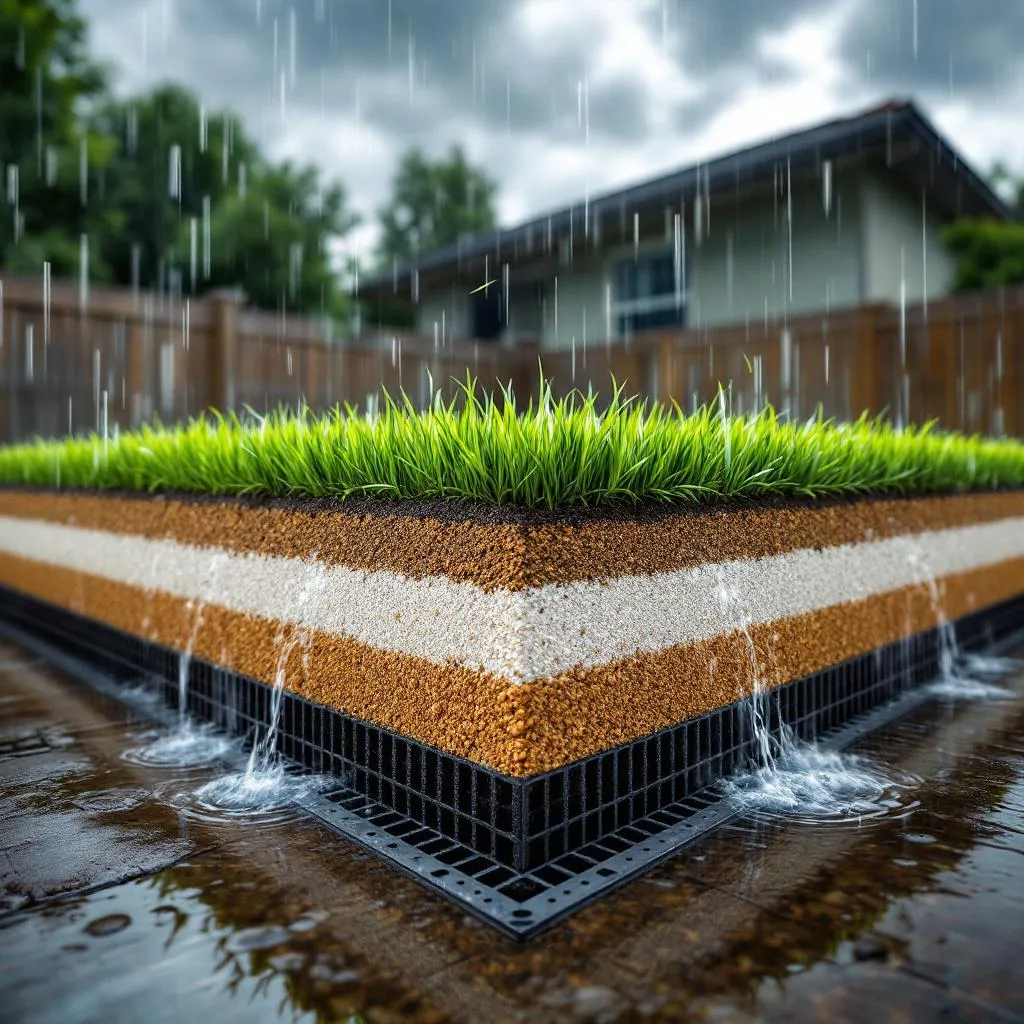
- A properly compacted, stable base
- Seamless transitions to sidewalks, curbs, and adjacent surfaces
- Ongoing maintenance that keeps the surface even and firm over time
When these pieces are in place, synthetic turf can be considered ADA-compliant—and that’s what people often mean when they say “ADA-approved turf.”
Why ADA-Approved Turf Matters Right Now for Commercial & HOA Properties
ADA-compliant turf guidance is no longer a “nice-to-have.” It’s increasingly a baseline expectation for:
- Commercial campuses
- Mixed-use developments
- HOA parks and greenbelts
- Play areas and common lawns
- Pet relief zones and walking paths
Here’s why it’s so relevant today:
-
Rising accessibility expectations
Residents, tenants, and visitors expect sites to be inclusive. “Accessible” is now a core part of “high-quality.” -
Regulatory risk and liability
Inconsistent surfaces, trip hazards, and soft, rutted turf can create ADA compliance issues—and potential legal exposure. -
Changing climate and maintenance constraints
As water restrictions and labor shortages grow, synthetic turf becomes more attractive—but it must be accessible, not just beautiful. -
Brand and community reputation
Accessible outdoor spaces are a visible demonstration of your property’s values and long-term planning.
If you’re planning new turf installations or upgrades, building in ADA-compliant turf guidance from the start is more efficient—and often less expensive—than fixing accessibility gaps later.
What “ADA-Approved Turf” Actually Means
The ADA doesn’t “approve” specific turf brands, but it does define performance standards for accessible surfaces, including synthetic grass.
In practice, “ADA-approved turf” means:
- The surface complies with ADA and related standards (like the 2010 ADA Standards for Accessible Design).
- The turf and base system perform like a stable, firm, slip-resistant walking surface.
- The surface is usable by people with mobility devices—without unreasonable effort.
Key concepts:
- Firmness – The surface doesn’t give way excessively when walked or rolled on.
- Stability – The surface doesn’t shift, rut, or displace easily under normal use.
- Slip resistance – The surface provides adequate traction when wet or dry.
- Continuity – No major gaps, abrupt level changes, or exposed edges.
Core ADA Requirements That Affect Turf Installations
You don’t need to be a code expert, but understanding the basics helps you make better decisions when choosing or upgrading turf.
1. Accessible Routes Across Turf
Any pathway that serves as an accessible route must meet ADA standards, whether it’s concrete, pavers, or synthetic turf.
Key points:
-
Slope
- Running slope generally not more than 1:20 (5%)
- Cross slope generally not more than 1:48 (about 2%)
-
Width
- At least 36 inches clear, more in high-traffic or shared-use areas
-
Surface quality
- Firm, stable, slip-resistant
- No large ruts, depressions, or loose infill that hinders wheel movement
For commercial and HOA turf, this often means designating and building accessible pathways into and across turf zones, rather than relying solely on decorative turf islands.
2. Level Changes and Transitions
Where turf meets:
- Sidewalks
- Curb ramps
- Concrete pads
- Pavers
- Building entries
you need to manage vertical transitions:
- Changes of up to ¼ inch – typically allowed without beveling
- Between ¼ inch and ½ inch – must be beveled at a gentle slope
- More than ½ inch – usually requires a ramp that meets ADA criteria
ADA-compliant turf guidance often recommends:
- Flush transitions between turf and hardscapes
- Careful attention to edge restraints, to avoid trip hazards or turf creep
3. Firmness and Stability Testing
For high-stakes projects—such as:
- Senior living communities
- Healthcare or rehab campuses
- Large multi-family or HOA parks
- Public-facing commercial plazas
accessibility consultants may use field tests (like rotational penetrometers) to measure surface firmness and stability. Turf systems can be designed and installed with these tests in mind.
How Synthetic Turf Can Support ADA Compliance in Commercial & HOA Contexts
When properly designed and installed, synthetic turf can be an asset for accessibility.
Benefits for Commercial Properties
-
Consistent surface quality
No mud, bare spots, or uneven growth that create tripping or mobility issues. -
Predictable maintenance
Easier to control surface stability across seasons compared to natural turf. -
Year-round appearance
Uniform visual cues for people with low vision; no sudden changes from worn patches. -
Flexible layouts
Turf can integrate with walkways, plazas, courtyards, and seating areas while maintaining accessible routes.
Benefits for HOAs and Multi-Family Communities
-
Safer walkable lawns and pocket parks
Residents using walkers or scooters can cross turf without bogging down in soft soil. -
Inclusive play and social spaces
Parents, grandparents, and children with mobility devices can more easily engage in outdoor areas. -
Lower maintenance disruption
No deep ruts from mowers or irrigation leaks that compromise stability. -
Long-term cost control
Investments in ADA-appropriate turf can reduce the need for expensive surface repairs due to repeated accessibility complaints.
Key Elements of an ADA-Conscious Turf System
Focusing on these components will bring you closer to “ADA-approved” performance:
1. Base Preparation
The base is usually the deciding factor in whether turf performs as firm and stable.
Important considerations:
-
Proper excavation and compaction
- Adequate depth
- Well-compacted subgrade
- Correct aggregate base (often decomposed granite or crushed stone)
-
Drainage planning
- Avoid pooling water and soft spots
- Direct water away from pathways and gathering areas
-
Evenness and slope control
- Maintain ADA-compliant slopes
- Avoid unplanned humps, dips, or irregular transitions
2. Turf Selection
Not all artificial grasses are equal from an accessibility standpoint.
Look for:
-
Appropriate pile height
- Extreme long, “lush” piles can be harder for wheelchairs to roll across.
- Moderate pile heights often improve maneuverability.
-
Dense, supportive fiber structure
- Helps distribute weight and maintain firmness underfoot.
-
Quality backing
- Strong tuft bind and backing that resists stretching and wrinkling.
3. Infill and System Design
Infill choice affects firmness, stability, and slip resistance:
- Well-contained infill that doesn’t easily displace with foot traffic or water
- Even distribution and correct depth
- Consideration for heat, safety, and environmental performance in addition to ADA concerns
4. Edge Detailing and Transitions
Smooth transitions are critical:
- Recessed edges that sit flush with adjacent surfaces
- Secure edge restraints that prevent turf curling or lifting
- Thoughtful transitions where turf meets:
- Concrete
- Pavers
- Decomposed granite paths
- Rubber surfacing
5. Maintenance Practices That Preserve Accessibility
Even the best-designed ADA-appropriate turf can lose compliance if it’s not maintained properly.
Regular tasks should include:
- Grooming and brushing to keep infill evenly distributed
- Inspection for depressions, rutting, or infill migration
- Prompt repair of seams, edges, and any trip hazards
- Surface cleaning to prevent slippery buildup (algae, dust, spills)
For a deeper look at how regular care supports both appearance and accessibility, see how common area turf maintenance practices can be aligned with ADA-compliant turf guidance on your property’s common area turf maintenance planning.
Where ADA-Approved Turf Shows Up in Real-World Projects
Thinking about upgrading or installing turf? These are common use cases where ADA-compliant turf guidance plays a central role.
1. Commercial Courtyards and Plazas
Goals:
- Create inviting green areas that tenants and visitors can actually use
- Ensure wheelchairs and strollers can cross to seating areas, event spaces, and building entries
Consider:
- Clearly defined accessible routes across turf
- Stable, groomed surfaces where movable furniture and amenities sit
- Slope and drainage compatible with ADA requirements
2. HOA Parks, Play Areas, and Greenbelts
Goals:
- Provide inclusive, shared spaces for all ages and abilities
- Reduce maintenance volatility in high-use zones
Consider:
- Turf systems designed to support mobility devices
- Entry points to turf that are flush with paths or sidewalks
- Integration with playground surfacing where applicable
3. Pet Relief Areas and Walking Paths
Goals:
- Offer clean, usable spaces that stay attractive and sanitary
- Avoid surfaces that become slippery, rutted, or eroded
Consider:
- Drainage and cleaning routines that preserve traction and firmness
- Pathway-width turf corridors that qualify as or connect to accessible routes
How to Start Applying ADA-Compliant Turf Guidance to Your Property
You don’t need to redesign everything at once. A phased approach, grounded in ADA-approved turf principles, can work well for both commercial and HOA teams.
Step 1: Identify Where Turf and Accessibility Intersect
Walk your property and note:
-
Turf areas that people must cross to reach:
- Entrances
- Amenities
- Parking
- Seating
-
Turf that is meant to be actively used:
- Gathering lawns
- Children’s play spaces
- Event areas
These are priority zones for ADA-conscious turf design.
Step 2: Evaluate Existing Turf Surfaces
Check for:
- Soft or spongy areas that feel unstable
- Loose infill that piles up or shifts underfoot
- Visible ruts or depressions from foot or equipment traffic
- Abrupt edges or lifted seams
These signs may indicate you’re not meeting ADA performance expectations, even if the turf is visually appealing.
Step 3: Integrate Accessibility Into Maintenance Plans
Your maintenance plan should:
- Specify inspection frequency for high-traffic turf areas
- Include criteria to flag accessibility concerns (e.g., rutting depth, seam separation)
- Coordinate with other services (irrigation, cleaning, pest control) that affect surface stability
Aligning common area turf maintenance with ADA-compliant turf guidance helps preserve performance over time and can reduce future remediation costs.
Step 4: Plan Future Projects with ADA-Centered Design
For upcoming installations or renovations:
- Involve accessibility and landscape stakeholders early
- Select turf systems with documented performance in accessible applications
- Ensure design documents clearly address:
- Base construction and compaction
- Slope and grading
- Transitions and edge conditions
- Maintenance expectations and responsibilities
Frequently Asked Questions About ADA-Approved Turf
| Question | Short Answer |
|---|---|
| Does the ADA officially “approve” specific turf products? | No. The ADA sets performance standards (firm, stable, slip-resistant surfaces). A turf system is “ADA-compliant” if the finished installation meets those standards. |
| What makes turf surface ADA-compliant? | A properly compacted base, suitable turf and infill, correct slopes, smooth transitions, and maintenance that keep the surface firm, stable, and accessible to mobility devices. |
| Is all synthetic turf automatically ADA accessible? | No. Some turf may be too soft, uneven, or poorly installed, making it difficult for wheelchairs or walkers to traverse. Design and installation quality are critical. |
| Can ADA-compliant turf be used on slopes? | Yes, as long as slopes follow ADA limits (often ≤ 5% for typical routes) and the surface remains firm and stable under expected use conditions. |
| How does maintenance affect ADA compliance? | Neglected turf can rut, settle, or develop trip hazards. Regular grooming, inspections, and timely repairs are essential to sustain ADA-level performance over time. |
| What should HOAs focus on first for ADA-approved turf? | Start with common areas that residents must cross or frequently use—entry lawns, park paths, gathering spaces—and review how surface stability, slopes, and transitions perform. |
| Do I need a formal accessibility audit for my turf areas? | Not always, but audits are helpful for high-liability or heavily used spaces. They can confirm whether your turf systems align with ADA-compliant turf guidance and identify priority improvements. |
Key Takeaways: Making ADA-Approved Turf a Standard, Not an Exception
To wrap up, consider these core points as you evaluate turf for your commercial or HOA property:
-
“ADA-approved turf” is about performance, not just product labels.
Focus on firmness, stability, and safe transitions. -
Base construction and maintenance matter as much as the turf itself.
A beautiful surface can still fail accessibility expectations if the foundation is weak or poorly maintained. -
Common areas deserve special attention.
Where people gather, walk, and cross is where ADA-compliant turf guidance should be most carefully applied. -
Accessibility is an ongoing commitment.
Integrate turf accessibility into your long-term common area turf maintenance and capital planning, not just one-time installations.
By treating ADA-approved turf as a design principle rather than a checkbox, you can create outdoor spaces that are not only attractive and durable, but also genuinely usable for everyone who lives, works, or visits your property.
Explore Related Turf Resources
Related Turf Guides
- Apartment Patio Turf Solutions: How to Transform Small Spaces Fast
If you’re searching for apartment patio turf solutions, you’re likely asking one core question:
- Commercial Environmental Compliance for Turf: What It Is and Why It Matters Right Now
If you manage or influence any commercial property with turf—corporate campuses, schools, sports fields, HOAs, retail centers—**commercial environmental compliance for turf** is no longer “nice to ...
- Commercial Rooftop Turf: The Fastest Way to Turn Unused Roof Space into Usable Square Footage
If you’re wondering how to transform a bare, hot rooftop into something people actually want to use, commercial rooftop turf solutions are often the most practical starting point.
- Commercial Turf Cost: What You Should Really Expect to Pay
If you’re looking for a fast, realistic answer on **commercial turf cost**, here it is:
- Cool Turf for Play Areas: How to Keep Playground Surfaces Safer and More Comfortable
If you’re searching for **cooler turf for child play areas**, you’re probably worried about one thing first: **heat**.