
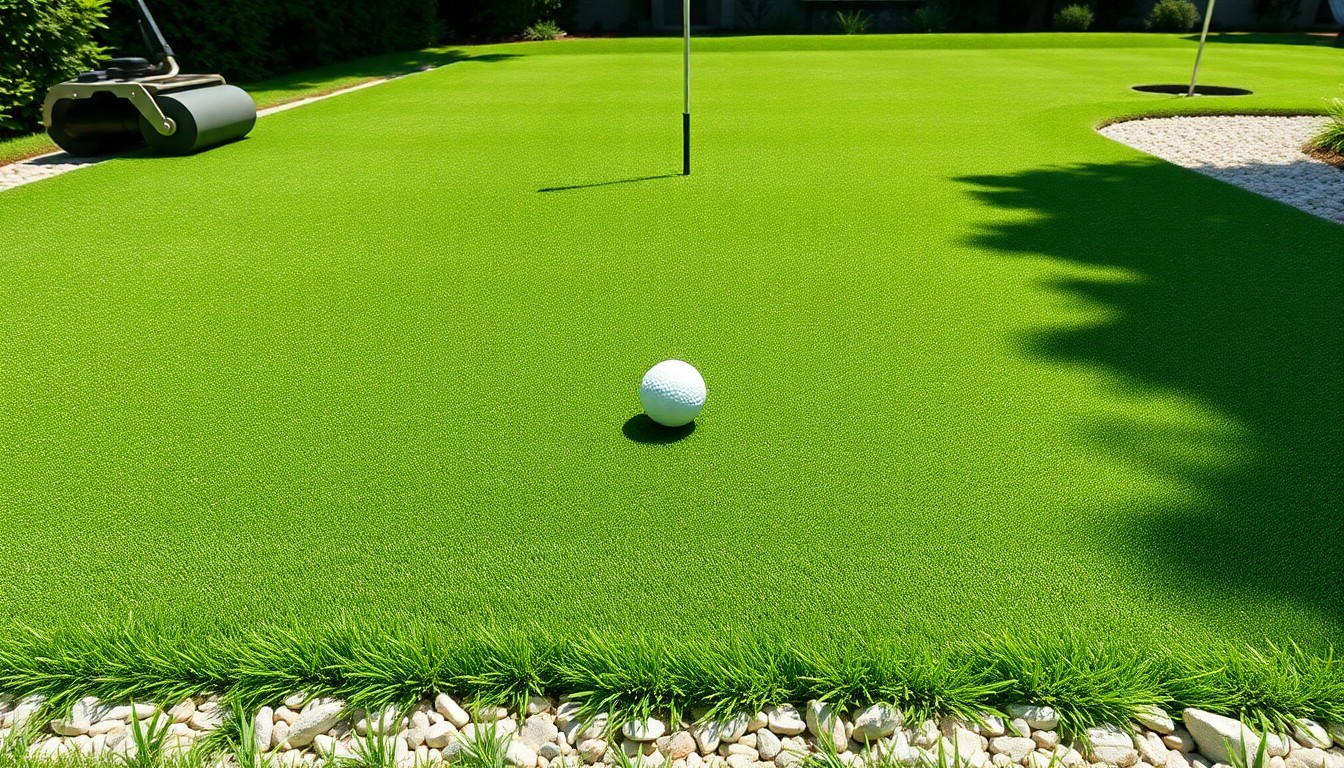
Ball Roll Speed Optimization: The Definitive Guide to Achieving Tournament-Grade Consistency on Your Artificial Putting Green
##?
Optimizing ball roll speed on an artificial turf putting green requires a strategic balance of proper installation techniques—specifically a compacted, level base and appropriate turf pile height—alongside consistent maintenance practices like specific rolling and infill management. For solution-aware golfers, achieving your desired speed is less about the material itself and more about fine-tuning these variables to ensure predictable, true rolls that replicate natural bentgrass greens.
2. Deep Dive (Detailed Why and How)
Achieving the perfect stimp speed on synthetic grass is critical for serious golfers. Unlike natural greens, where speed is largely determined by moisture and mowing frequency, artificial turf speed is engineered during installation and maintained through meticulous care.
The Foundation is Everything
The absolute prerequisite for optimal ball roll consistency is a well-prepared base. A professional installation ensures the crushed stone and sand layer beneath the turf is perfectly compacted and level. This stable, smooth foundation prevents dips or inconsistencies that would otherwise disrupt the ball’s path and speed.
The Role of Turf Specifications
The type of turf initially selected impacts the ceiling for speed. Greens with a tight, dense weave and an appropriate pile height are essential. A pile height that is too short can create an unnaturally fast surface, while a height that is too long will cause the ball to slow down and produce unpredictable bounces. The ideal synthetic fiber length provides just enough resistance for a realistic dynamic.
Tuning Speed with Infill
Infill (typically silica sand) plays a dual role: it helps the turf fibers stand upright and adds mass to the surface. Adjusting the amount of infill is a primary method for tuning the green speed. Adding a small amount of extra sand infill can increase density, firm up the base, and promote faster, truer ball roll. Conversely, low infill levels can lead to slower, less consistent speeds.
Maintenance for Consistency
Regular maintenance translates directly into consistent roll speed. Lightly rolling the green with a water-filled roller can flatten the fibers slightly, temporarily increasing speed and ensuring the surface remains even. Regular brushing is also necessary, as it redistributes the infill materials and removes debris (leaves, dust, etc.) that can obstruct the ball’s movement, ensuring the surface remains clean and fast.
3. Quick Reference (Bulleted Key Takeaways)
- Base Compaction: Ensure a level, well-compacted crushed stone and sand sub-base for a stable foundation.
- Pile Height: Choose a turf with a moderate, tight pile height to support realistic ball dynamics.
- Rolling: Use light rolling techniques (e.g., a water-filled roller) to temporarily flatten fibers and increase speed.
- Infill Management: Add high-quality sand infill to firm the base and increase surface density, enhancing roll speed and consistency.
- Debris Removal: Regularly brush and clean the surface to prevent obstructions from slowing the ball.
4. Strategic Hyperlink
Understanding exactly how infill affects your green is paramount to fine-tuning its performance. For a deep dive into material selection and application, review our guide on how infill impacts ball roll speed.
Explore Related Turf Resources
Related Turf Guides
- Backyard Golf Ideas: How to Turn Your Yard into a Personal Putting Playground
If you’re looking for backyard golf course ideas that feel fun, low-maintenance, and actually help your game, start with this simple principle:
- Backyard Putting Green Cost Estimate
The cost of an expertly installed artificial turf putting green for a DFW home typically ranges based on size, complexity, turf quality, and necessary ground preparation. Homeowners should anticipa...
- Best Home Chipping Practice Turf
The ideal artificial turf for a home chipping practice area is a densely packed, short-pile synthetic grass designed to replicate the tight lie of a professional fairway or fringe, ensuring clubs interact cleanly with the "ground" for consistent ball striking and realistic performance.
- Can I install artificial turf directly over a concrete patio or slab?
Yes, absolutely! Installing artificial turf over concrete is an excellent way for DFW homeowners to transform drab, hard surfaces into beautiful, soft, and functional green spaces.
- Drawbacks of Artificial Turf Explained: What Most Comparisons Leave Out
If you’re comparing turf pros & cons, you’ve probably heard all the upsides of synthetic grass: green all year, low mowing, no mud. But the **drawbacks of artificial turf explained clearly and hone...