
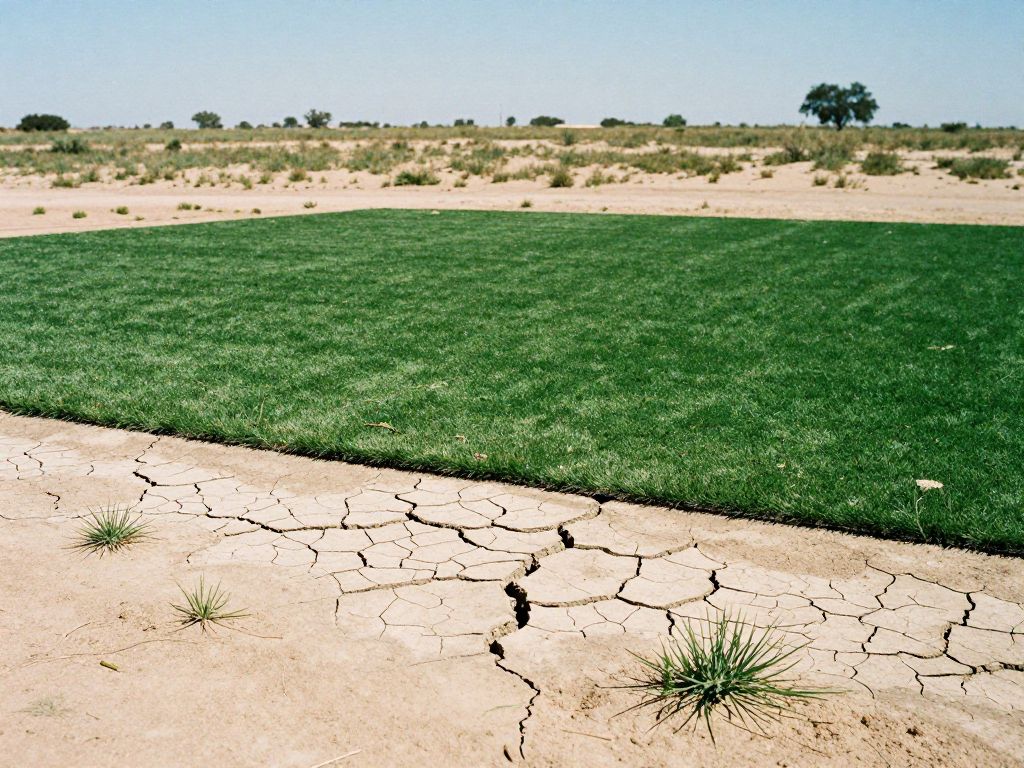
Drawbacks of Artificial Turf Explained: What Most Comparisons Leave Out
If you’re comparing turf pros & cons, you’ve probably heard all the upsides of synthetic grass: green all year, low mowing, no mud. But the drawbacks of artificial turf explained clearly and honestly are harder to find.
Here’s the short version first:
- Artificial turf is expensive up front and not always cheaper long term
- It can get dangerously hot in the sun
- It often feels and performs less natural than expected
- It can create drainage, odor, and bacteria issues
- It has environmental trade-offs (plastic, disposal, heat, habitat)
- It can impact kids, pets, and athletes in ways many buyers don’t anticipate
If you’re at the “just researching” stage and want to understand turf pros & cons without a sales pitch, this guide walks through the real-world drawbacks of artificial turf so you can make a decision you won’t regret in 5–10 years.
1. The Cost Problem: Turf Is Cheaper to Maintain, But Not Always Cheaper Overall
When people compare turf vs. grass, they often focus on “no watering, no mowing.” That’s real—but it can hide the biggest drawback of artificial turf: the high upfront installation cost and the fact that turf doesn’t last forever.
1.1 Upfront Costs Are Steep
Artificial turf usually requires:
- Removing existing grass/soil
- Grading and compacting a base layer
- Drainage preparation
- Turf material
- Professional installation
Those steps add up to thousands to tens of thousands of dollars depending on yard size and complexity.
To see how those big installation costs stack up against real-world maintenance of natural grass over time, compare both sides in detail on the
turf vs. grass cost breakdown. You’ll see that high initial installation costs are one of the core drawbacks of artificial turf—especially if you’re not planning to stay in your home long term.
1.2 Replacement Costs Are Easy to Ignore
Artificial turf is not permanent. Most products have a life expectancy of 8–15 years, sometimes less in harsh climates or heavy-use areas.
Potential future costs include:
- Full turf replacement when fibers wear down, flatten, or fade
- Infill replacement or top-up (rubber, sand, etc.)
- Repairs due to seams lifting, edges curling, or damage from pets, furniture, or heat
When you spread installation cost across the realistic lifetime of the turf, the “it saves money” story becomes more nuanced.
2. Heat: Turf Can Get Too Hot to Use
One of the most surprising drawbacks of artificial turf for many homeowners is surface temperature.
2.1 How Hot Does Artificial Turf Get?
On warm, sunny days, artificial turf can become significantly hotter than natural grass, often reaching temperatures comparable to asphalt.
Common experiences:
- Turf too hot to walk on barefoot
- Pets refusing to step onto the surface midday
- Play areas becoming unusable during peak sun hours
Even “cooling” infill and lighter colors help only to a degree. Plastic fibers still absorb and radiate heat.
2.2 Why This Matters for Real Life
The heat factor affects:
- Daily usability – You may avoid your lawn when you’d actually want to be outside
- Kids’ safety – Falls on hot turf can cause burns or discomfort
- Pet comfort – Paws are especially vulnerable to hot surfaces
- Microclimate – Turf can contribute to a hotter yard and surrounding area
If outdoor comfort is a major goal, this heat drawback of artificial turf is easy to underestimate until summer arrives.
3. Feel and Performance: It’s Still Plastic Underfoot
Visually, modern synthetic grass is impressive. But the look can be very different from the feel.
3.1 The “Looks Real, Feels Fake” Effect
Common complaints:
- Turf feels springy, crunchy, or stiff compared to real grass
- Fibers can flatten and mat over time, especially in high-traffic zones
- The surface can feel “dead” or hollow when walking or running
For homeowners who love the sensory experience of grass—bare feet, cool softness, subtle movement—this can be a real disappointment.
3.2 Impact on Play and Sports
For light yard play, turf can be fine. But for more intense use:
- Ball behavior (bounce, roll) differs from natural grass
- Traction can change risk of slips or twists
- Falls can feel harsher depending on base and infill
If your yard doubles as a play field or training space, this performance side of the turf pros & cons spectrum is worth weighing.
4. Drainage, Smell, and Cleanliness Challenges
“I replaced my lawn to get rid of mud, but now my turf smells.”
This is a common story—and one of the least-discussed drawbacks of artificial turf.
4.1 Drainage Depends on Installation Quality
Ground preparation and base design are critical. Problems can include:
- Water pooling on or under the turf
- Slow drainage after heavy rain
- Mushy spots over time as the base shifts
Poor drainage isn’t just annoying—it can shorten turf lifespan and contribute to odor and bacteria growth.
4.2 Odors from Pets and Stagnant Moisture
Unlike natural soil and living grass, artificial turf doesn’t “digest” anything. That means:
- Pet urine can accumulate in the infill and backing
- Food spills and organic debris can linger
- Warm + wet conditions create ideal environments for smell and bacteria
Keeping turf odor-free may require:
- Regular rinsing
- Enzyme cleaners (especially in pet areas)
- Occasional infill refreshes
If you’re hoping for a completely “set it and forget it” lawn, this maintenance reality can feel like a mismatch.
4.3 Bacteria and Hygiene Considerations
Artificial turf can harbor:
- Bacteria from pet waste
- Microbes from sweat and skin contact in play or sport areas
- Organic matter from leaves, pollen, and soil
Routine cleaning helps, but it’s important to recognize that artificial turf isn’t self-cleaning the way healthy grass and soil ecosystems can be.
5. Environmental Trade-Offs: Water Savings vs. Plastic and Heat
If you’re considering artificial turf for environmental reasons, the reality is complex. Some benefits are real—but so are the downsides.
5.1 Yes, Turf Saves Water—But That’s Only One Piece
Artificial turf can significantly reduce or eliminate:
- Lawn irrigation
- Fertilizer application
- Pesticide and herbicide use
However, the full environmental impact includes:
- Manufacturing and transporting plastic products
- Use of infill materials (often rubber, sand, or other synthetics)
- End-of-life disposal challenges
5.2 Plastic, Microplastics, and Disposal
Artificial turf systems typically involve:
- Plastic grass fibers
- Plastic or rubber backings
- Synthetic infill
Potential issues:
- Microplastic shedding over time
- Limited recycling options for used turf
- Large volumes of turf going to landfill at end of life
From an environmental perspective, moving from a living system (grass + soil) to a large plastic surface is a trade, not a pure gain.
5.3 Heat Island and Habitat Loss
Natural grass and plants:
- Absorb CO₂ and release oxygen
- Provide habitat for insects and soil life
- Cool the area through transpiration
Artificial turf:
- Contributes to higher surface and ambient temperatures
- Provides no habitat for pollinators or soil organisms
- Can increase local heat island effects, especially in dense neighborhoods
This is one of the more subtle but important drawbacks of artificial turf when you consider long-term neighborhood or community impact.
6. Comfort, Safety, and Health Considerations
Artificial turf is often marketed as safe and kid-friendly. In many cases, it can be—but there are nuances.
6.1 Comfort for Kids and Pets
Things to consider:
- Heat: As mentioned, hot surfaces can be uncomfortable or unsafe
- Falls: Impact can be harsher depending on padding and base
- Roughness: Some turf types can cause minor abrasions or “turf burn”
For pets:
- Hot surfaces can burn paws
- Some dogs may try to dig or chew turf
- Urine-related odor and hygiene need ongoing attention
6.2 Chemicals and Materials
Artificial turf systems may involve:
- Various types of plastics and binders
- Infill materials, sometimes including crumb rubber or other synthetics
- Adhesives used in seams or base installation
Research and regulations are evolving, and not all turf uses the same materials. It’s important to ask detailed questions if material safety is a priority for your household.
7. Aesthetic Changes Over Time
Out of the box, artificial turf can look impressively natural. Over time, the picture can change.
7.1 Wear, Fading, and Flattening
You may notice:
- High-traffic paths where fibers mat down
- Fading in areas with intense sun exposure
- An overall “worn carpet” look after years of use
Unlike natural grass, artificial turf doesn’t self-repair. Once it wears, you’re looking at either repair or replacement.
7.2 Seasonal Contrast (or Lack of It)
Some people love year-round uniform green. Others find:
- Lack of seasonal change feels visually “fake”
- Turf doesn’t blend as well with surrounding natural landscapes
- The aesthetic feels out of place in some climates or neighborhoods
If you’re sensitive to how your yard relates to its environment, this can be a subtle but persistent drawback.
8. Maintenance: Not as “Maintenance-Free” as It Sounds
One of the most powerful selling points of turf is “no maintenance.” The reality sits somewhere closer to “different maintenance.”
8.1 What You Won’t Do Anymore
With artificial turf, you typically avoid:
- Mowing
- Regular watering
- Seasonal fertilizing
- Many weed treatments
That’s a real benefit—but not the whole story.
8.2 What You’ll Still Need to Do
To keep turf looking and performing well, most owners:
- Rinse pet areas and spills
- Brush or broom fibers to keep them standing upright
- Remove debris like leaves and twigs
- Occasionally top up or redistribute infill
- Inspect and sometimes repair edges and seams
So while the overall workload can be lower than a traditional lawn, calling artificial turf truly “maintenance-free” is often misleading.
9. When the Drawbacks of Artificial Turf Matter Most
The same drawback can be mild for one household and a deal-breaker for another. These turf pros & cons tend to matter most:
- You live in a hot, sunny climate
- Heat buildup and usability become major factors
- You have kids or pets using the yard daily
- Safety, comfort, odor, and cleaning matter more
- You’re cost-sensitive or may move within 5–10 years
- High upfront and eventual replacement costs become harder to justify
- You value environmental impact and biodiversity
- Plastic, disposal, and loss of living landscape weigh heavier
- You care deeply about the feel and sensory experience of your yard
- The “feels fake” factor is more noticeable
Understanding the drawbacks of artificial turf explained in context of your specific life and property is the key to a decision that actually works for you.
10. FAQ: Drawbacks of Artificial Turf Explained in Quick Answers
| Question | Short Answer |
|---|---|
| Is artificial turf really low maintenance? | Lower than natural grass in many ways, yes—but not maintenance-free. You still need to clean, brush, and manage odors and debris. |
| How long does artificial turf actually last? | Typically 8–15 years depending on quality, climate, use, and installation. After that, sections or the entire surface may need replacement. |
| Does artificial turf get hotter than real grass? | Yes. It can become much hotter than natural grass in direct sun, sometimes too hot for barefoot use or pet paws. |
| Is artificial turf better for the environment? | It can reduce water and chemical use, but introduces large plastic surfaces, potential microplastics, and disposal challenges. It’s a trade-off, not a simple win. |
| Will turf increase or decrease my long-term costs? | It depends on your local water, lawn care costs, and how long you keep the property. High upfront installation and future replacement are key factors—see the turf vs. grass cost comparison for a clearer picture. |
| Is artificial turf safe for kids and pets? | Often, but heat, surface hardness, materials, and hygiene need consideration. Regular cleaning and careful material selection are important. |
| Does artificial turf smell? | It can, especially in pet areas if not properly rinsed and maintained. Odors often come from trapped urine and organic matter. |
| Can artificial turf drain well? | Yes, if designed and installed correctly. Poor base preparation can lead to pooling, slow drainage, and long-term problems. |
Understanding the drawbacks of artificial turf explained in practical, real-world terms is the first step toward a yard decision that matches your expectations. Whether you ultimately choose natural grass, synthetic turf, or a mix of both, weighing these turf pros & cons upfront can save you costly surprises later.
Explore Related Turf Resources
Related Turf Guides
- Backyard Golf Ideas: How to Turn Your Yard into a Personal Putting Playground
If you’re looking for backyard golf course ideas that feel fun, low-maintenance, and actually help your game, start with this simple principle:
- Backyard Putting Green Cost Estimate
The cost of an expertly installed artificial turf putting green for a DFW home typically ranges based on size, complexity, turf quality, and necessary ground preparation. Homeowners should anticipa...
- Ball Roll Speed Optimization: The Definitive Guide to Achieving Tournament-Grade Consistency on Your Artificial Putting Green
Ball Roll Speed Optimization: The Definitive Guide to Achieving Tournament-Grade Consistency on Your Artificial Putting Green
- Best Home Chipping Practice Turf
The ideal artificial turf for a home chipping practice area is a densely packed, short-pile synthetic grass designed to replicate the tight lie of a professional fairway or fringe, ensuring clubs interact cleanly with the "ground" for consistent ball striking and realistic performance.
- Can I install artificial turf directly over a concrete patio or slab?
Yes, absolutely! Installing artificial turf over concrete is an excellent way for DFW homeowners to transform drab, hard surfaces into beautiful, soft, and functional green spaces.