
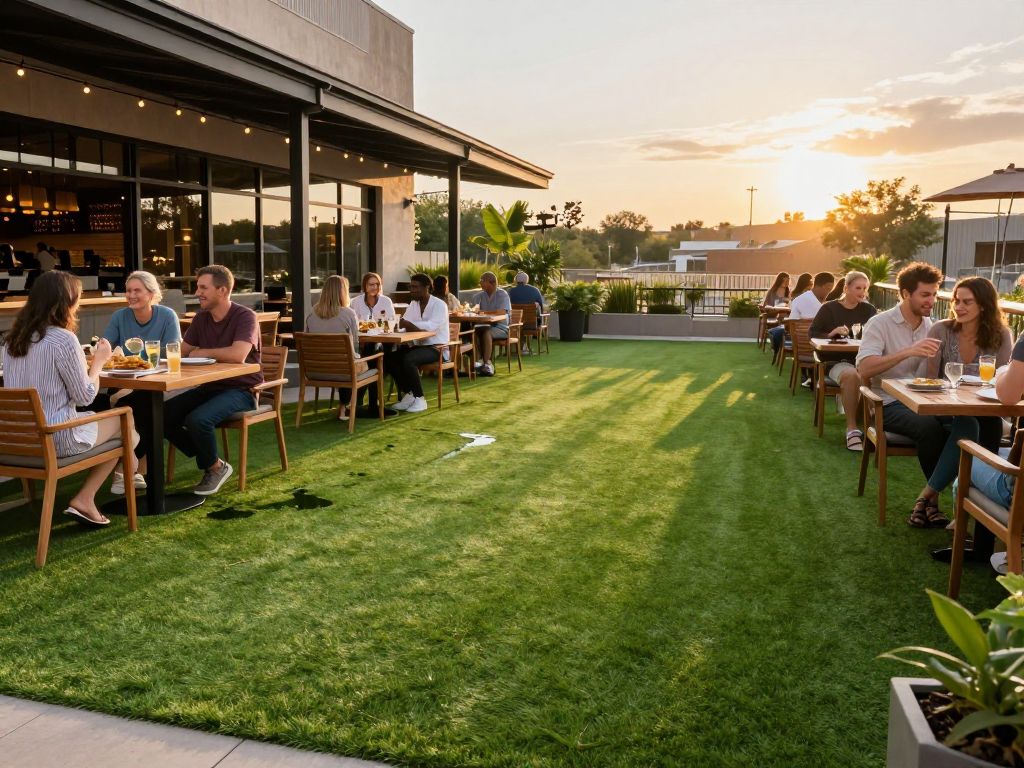
Eco-Friendly Turf in DFW: What “Green” Really Means for North Texas Yards
If you’re choosing eco-friendly turf in DFW, you’re likely asking one core question:
“Can I have a beautiful, low-maintenance lawn without wrecking the environment or my water bill?”
In North Texas, the answer is yes—if you understand how eco-friendly turf actually impacts our local environment. Below, we’ll break down what “green” really means in the Dallas–Fort Worth area, how turf affects water, heat, and local ecosystems, and what to look for when selecting environmentally responsible options.
How Eco-Friendly Turf in DFW Impacts the Environment (In Plain Terms)
Choosing eco-friendly turf in DFW is really about reducing the hidden costs of a lawn:
- Less water in a drought-prone region
- Less chemical runoff into creeks and storm drains
- Less mowing and emissions from gas-powered equipment
- Less waste going to landfills over time
When you look at turf through an environmental lens, the key question becomes:
“Does this turf system use fewer resources and create fewer problems than a traditional North Texas lawn over its full life cycle?”
For many DFW homeowners and property managers, the answer is increasingly yes—if turf is chosen and installed thoughtfully.
Why Eco-Friendly Turf Matters So Much in DFW Right Now
North Texas isn’t just “kind of hot and dry”—it’s becoming hotter, drier, and more water-stressed year after year. That makes choosing eco-friendly turf in DFW less of a trend and more of a local responsibility.
1. Water Restrictions and Scarcity
- DFW regularly cycles through droughts and watering restrictions
- Traditional lawns can require tens of thousands of gallons of water per year
- Outdoor watering is often the largest single use of residential water
Eco-friendly turf systems can dramatically cut or even eliminate irrigation, depending on your choices and how you design the landscape around them.
2. Urban Heat & “Heat Island” Effect
- Concrete, asphalt, and some synthetic materials absorb and radiate heat
- DFW already faces dangerous summer temperatures and extended heat waves
- Poor turf or surface choices can make yards, sidewalks, and playgrounds significantly hotter
When choosing eco-friendly turf in DFW, you’re not just picking a ground cover—you’re influencing how hot your outdoor space feels and how it impacts local microclimates.
3. Stormwater & Runoff Pollution
- Heavy DFW storms send fertilizers, pesticides, and herbicides straight into storm drains
- Those drains typically flow into lakes, creeks, and rivers without treatment
- Chemical-heavy lawn care can contribute to algae blooms and degraded water quality
Eco-friendly turf systems can dramatically reduce or eliminate lawn chemicals, especially when paired with smart drainage and permeable base materials.
What Makes Turf “Eco-Friendly” in DFW? Key Criteria to Look For
Not all “green” marketing claims are equal. When choosing eco-friendly turf in DFW, look beyond the label and focus on measurable features:
1. Water Usage Over Time
Ask: “How much water will this lawn need after it’s established?”
Eco-friendlier options typically:
- Require minimal to no irrigation once installed
- Use native or drought-tolerant plants in surrounding areas
- Integrate rainwater harvesting or smart irrigation controls if natural grass is included
2. Heat Performance & Surface Temperature
Look for turf systems that:
- Include cooling infills or lighter-colored fibers to reflect heat
- Are surrounded by shade trees, shrubs, or plantings to reduce temperature buildup
- Use permeable base materials that allow airflow and water infiltration
3. Materials & Manufacturing
Environmentally responsible turf options may:
- Use recyclable backing and fibers
- Contain a percentage of recycled content
- Avoid infills made from waste tires if you’re concerned about microplastics or off-gassing
- Come from manufacturers with transparent environmental and safety testing
4. End-of-Life & Recycling Options
A major question for eco-conscious DFW residents:
“What happens to this turf when it wears out?”
Stronger eco-friendly choices include:
- Recyclable turf systems with documented take-back programs
- Modular installations where only the worn areas are replaced
- Durable designs that extend lifespan, reducing waste over decades
Eco-Friendly Turf vs. Traditional DFW Lawns: Environmental Tradeoffs
Choosing eco-friendly turf in DFW means understanding tradeoffs, not chasing perfection. Here’s how a thoughtfully chosen turf system compares to a typical water-thirsty lawn.
Water Use
- Traditional lawn:
- High irrigation demand (especially in summer)
- Vulnerable to brown patches and reseeding needs
- Eco-conscious turf system:
- Little to no ongoing watering
- Water use mainly during installation or for nearby plants, not the turf itself
Maintenance & Emissions
- Traditional lawn:
- Weekly or biweekly mowing
- Gas-powered equipment = CO₂ + air pollution + noise
- Regular use of fertilizers, herbicides, pesticides
- Eco-friendly turf system:
- No mowing required
- Periodic brushing/cleaning only
- Can often be maintained without chemicals
Chemicals & Runoff
- Traditional lawn:
- Reliant on fertilizer, weed control, and pest control
- Storms wash those chemicals into local watersheds
- Eco-conscious turf:
- No nutrient runoff (no fertilizer needed)
- Fewer chemical inputs overall, especially when paired with native plant beds
Biodiversity & Habitat
This is where nuance matters.
- Conventional turf (synthetic or mono-grass):
- Not a strong habitat for pollinators or native species
- Eco-minded designs:
- Combine turf in high-traffic areas with native beds, trees, and shrubs
- Create a balance of usability and habitat rather than an all-or-nothing approach
You don’t have to choose between “perfect nature” and “plastic lawn.” Instead, consider eco-friendly turf as one component of a more sustainable yard design.
How to Choose Eco-Friendly Turf in DFW: A Simple Checklist
When you start comparing options, use this checklist to guide your decision:
-
Water Impact
- Does this option reduce or eliminate the need for irrigation?
- Can it support a landscape plan that relies on native, low-water plants?
-
Heat & Comfort
- Are there options for cooling infill or lighter turf fibers?
- How will shade trees, pergolas, or shrubs help reduce surface heat?
-
Materials & Safety
- Is the turf lead-free and heavy-metal tested?
- Are there recycled or recyclable components?
- Is the infill non-toxic and safe for kids and pets?
-
Drainage & Runoff
- Does the installation use a permeable base that lets rainwater soak in?
- Will it help reduce puddling and erosion during DFW storms?
-
Lifecycle & Waste
- How long is the expected lifespan?
- Are there end-of-life recycling or recovery options?
- Can damaged sections be repaired without replacing everything?
By applying this lens, you’re not just choosing eco-friendly turf in DFW; you’re selecting environmentally responsible turf options that better align with your values and local conditions. For a deeper dive into how these choices affect air, water, and soil health, you can explore more about the environmental benefits of turf in a broader context.
Designing a More Sustainable Yard with Turf as One Element
Eco-friendly turf in DFW is most impactful when you zoom out and think about your entire outdoor space, not just the lawn square footage.
Blend Turf with Native & Adaptive Plants
Consider:
- Turf in high-traffic areas: play spaces, pet runs, pathways, small gathering spots
- Native and drought-tolerant plants:
- Along fences and property edges
- Around patios and seating areas
- In pollinator-friendly garden beds
This mix can:
- Reduce water use
- Increase biodiversity
- Provide shade that reduces turf surface temperatures
Rethink “Full-Lawn” Expectations
A common shift for eco-conscious homeowners in DFW:
- Reduce total turf square footage
- Use turf strategically rather than wall-to-wall
- Let native beds, gravel paths, and trees fill in the rest
This approach keeps your yard functional, attractive, and far more sustainable.
Common Use Cases for Eco-Friendly Turf in DFW (and Their Environmental Angles)
1. Family Backyards
- Concern: Safe play space for kids, reduced mud, less mess inside
- Eco angle:
- No fertilizer or pesticide exposure
- Reduced watering and mowing
- Pair with trees and native beds for cooler, healthier microclimates
2. Pet Areas & Dog Runs
- Concern: Durability, cleanliness, odor control
- Eco angle:
- Limits muddy runoff and soil erosion
- Avoids chemical lawn treatments where pets spend most time
- Choose pet-safe infills and focus on good drainage
3. Small Urban or Townhome Yards
- Concern: Tight spaces, shade, difficult irrigation
- Eco angle:
- Cuts out the need for complex irrigation systems
- Keeps outdoor spaces green-looking with minimal resources
- Ideal for integrating with container gardens and native pots
4. Commercial & Multifamily Properties
- Concern: High-traffic, visual appeal, maintenance costs
- Eco angle:
- Reduces water consumption across large areas
- Minimizes reliance on chemical lawn programs
- Cuts mowing, edging, and fuel use
Eco-Friendly Turf in DFW: Questions to Ask Installers or Suppliers
Before committing, ask direct questions like:
- “What makes this turf system eco-friendly specifically for DFW’s climate?”
- “How will this installation handle heavy rain and runoff?”
- “What are the cooling features or recommendations for surface temperature?”
- “Is any part of this turf recyclable at end of life, and how does that process work?”
- “What maintenance practices are recommended to keep it environmentally responsible?”
Their answers will tell you quickly whether they’re thinking about performance, comfort, and environmental impact, or just appearance.
FAQ: Eco-Friendly Turf in DFW & Environmental Impact
| Question | Short Answer | Key Environmental Consideration |
|---|---|---|
| Is eco-friendly turf really better for the environment than regular grass in DFW? | Often yes, especially regarding water, chemicals, and mowing emissions. | Reduces irrigation needs, fertilizer use, and gas-powered maintenance over time. |
| Does turf get too hot in the Texas sun? | It can, but there are ways to reduce surface temperature. | Cooling infills, lighter fibers, shade trees, and surrounding plantings all help. |
| What about drainage and flooding during storms? | Properly installed turf can improve drainage versus compacted soil. | Permeable bases allow water to infiltrate instead of pooling or running off. |
| Does eco-friendly turf support pollinators or wildlife? | On its own, not much—but it fits well into wildlife-friendly yard designs. | Combine turf with native plants, trees, and shrubs to create habitat. |
| Are there microplastic or health concerns with synthetic turf? | Concerns vary by material; choosing safer infills and tested products is key. | Look for certified, tested systems and explore recyclable or low-shed options. |
| How long does eco-friendly turf typically last? | Often 10–20 years with proper care, depending on use and product quality. | Longer lifespan means fewer replacements, less waste, and better resource use. |
| Can eco-friendly turf be recycled at the end of its life? | Some systems can be; it depends on the manufacturer and local options. | Ask about take-back programs, recyclable backing, and documented recycling processes. |
| Do I still need irrigation if I install turf? | Not for the turf itself, but nearby plants may still need water. | Design with native, drought-tolerant plants to keep water use low overall. |
Bringing It All Together: A Smarter Way to “Go Green” in DFW
Choosing eco-friendly turf in DFW isn’t just about swapping one surface for another—it’s about rethinking how your yard uses water, energy, and space in a demanding climate.
If you:
- Prioritize water savings
- Minimize chemical use and runoff
- Plan for heat, shade, and local weather extremes
- Consider the full life cycle of the materials you install
…you can turn turf from a purely cosmetic choice into a more responsible environmental decision that still looks and feels good day to day.
For a broader look at how these kinds of choices add up—at the property and community level—you can learn more about the environmental benefits of turf and how sustainable approaches are reshaping outdoor spaces across North Texas.
Explore Related Turf Resources
Related Turf Guides
- Backyard Golf Ideas: How to Turn Your Yard into a Personal Putting Playground
If you’re looking for backyard golf course ideas that feel fun, low-maintenance, and actually help your game, start with this simple principle:
- Backyard Putting Green Cost Estimate
The cost of an expertly installed artificial turf putting green for a DFW home typically ranges based on size, complexity, turf quality, and necessary ground preparation. Homeowners should anticipa...
- Ball Roll Speed Optimization: The Definitive Guide to Achieving Tournament-Grade Consistency on Your Artificial Putting Green
Ball Roll Speed Optimization: The Definitive Guide to Achieving Tournament-Grade Consistency on Your Artificial Putting Green
- Best Home Chipping Practice Turf
The ideal artificial turf for a home chipping practice area is a densely packed, short-pile synthetic grass designed to replicate the tight lie of a professional fairway or fringe, ensuring clubs interact cleanly with the "ground" for consistent ball striking and realistic performance.
- Can I install artificial turf directly over a concrete patio or slab?
Yes, absolutely! Installing artificial turf over concrete is an excellent way for DFW homeowners to transform drab, hard surfaces into beautiful, soft, and functional green spaces.