
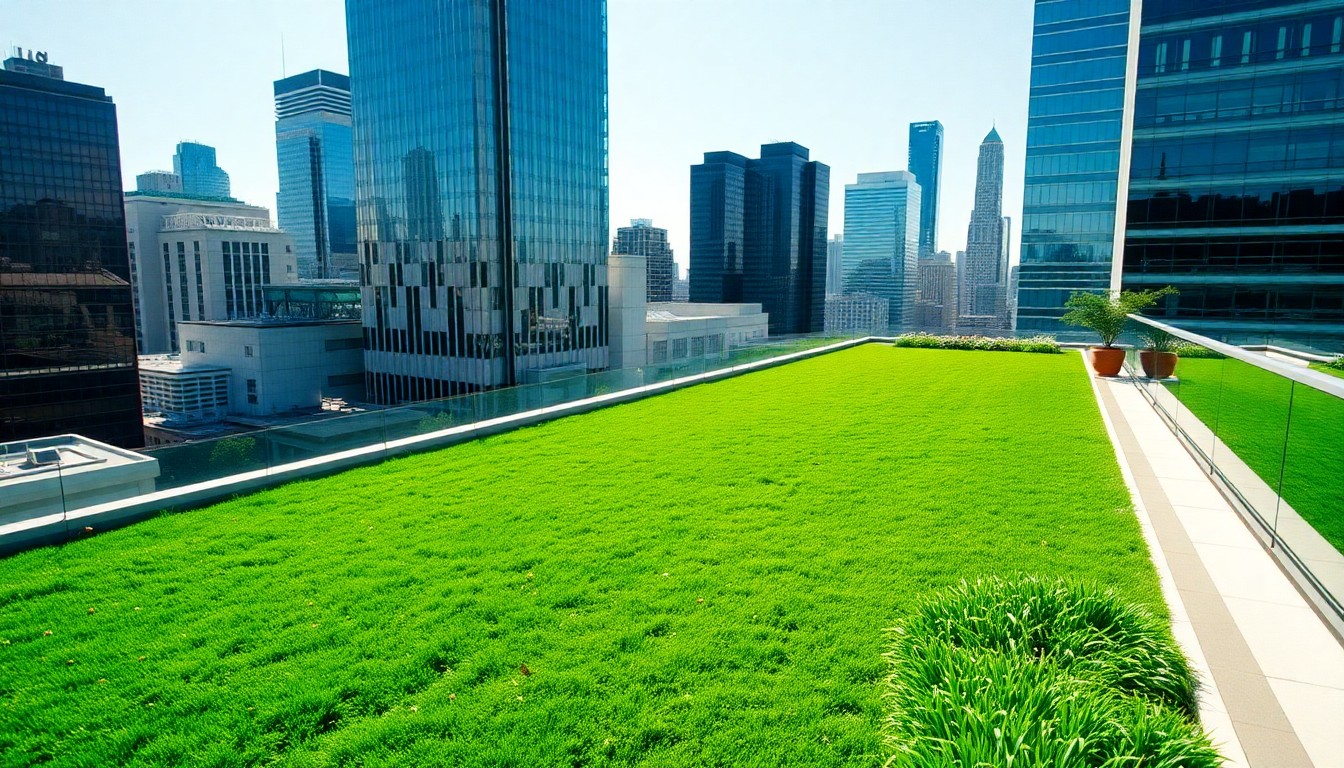
Fire-Safe Rooftop Turf: What You Need to Know Before You Install
If you’re thinking about adding green space to your rooftop or patio, fire-safe turf options for rooftops should be the first thing you research—not the last detail you bolt on at the end.
Here’s the short version:
- Not all artificial turf is safe for rooftop use.
- Fire ratings and local codes matter just as much as aesthetics.
- The right fire-safe rooftop turf can reduce risk, stabilize temperature, and even make approvals with your building board or city easier.
Once you understand how fire-safe rooftop turf works—and what to look for—you’ll feel much more confident designing a rooftop or patio turf space that’s beautiful, functional, and responsible.
Why Fire-Safe Rooftop Turf Matters Right Now
Rooftops and patios are increasingly being used as:
- Outdoor lounges for multifamily buildings
- Amenity decks in commercial spaces
- Private terraces for townhomes and condos
All these uses introduce potential ignition sources:
- Grills and outdoor kitchens
- Fire pits and heaters
- Electrical equipment (HVAC units, lighting, wiring)
- Cigarettes, candles, and sparklers
On a rooftop—especially in dense urban areas—any fire risk is amplified. Wind can spread embers quickly, and access for firefighters can be more complex.
Fire-safe turf options for rooftops are designed to:
- Resist ignition from small sparks or embers
- Slow spread if exposed to heat or flame
- Support code compliance and safety planning
This is less about “fireproofing” and more about risk reduction: choosing materials that behave more predictably and safely in worst-case scenarios.
What Makes Turf “Fire-Safe” for Rooftops?
When you see terms like “fire-resistant,” “fire-retardant,” or “fire-safe,” you’re really looking at a combination of three things:
- Material composition
- Backing and infill choices
- System design and installation
Let’s break this down.
1. Turf Materials and Fire Ratings
Most quality rooftop & patio turf products will reference:
- ASTM E108: Standard Test Methods for Fire Tests of Roof Coverings
- Class A, B, or C fire ratings (Class A typically being the most fire-resistant in this context)
For rooftops, you want to see:
- A published fire test result (not just a marketing claim)
- Documentation that aligns with your local code, insurance, or HOA requirements
Key indicators:
- Low flame spread rating
- Limited smoke development
- Tested as a system (turf + underlayment + deck) when possible
2. Backing, Infill, and Underlayment
The turf blades are just one part of the system. Fire-safe rooftop turf relies on layers that work together.
Common features of more fire-conscious systems:
-
Non-flammable or low-flammability infill
- Options like sand, coated sand, or certain mineral-based infills
- Avoids rubber infills that can contribute to heat and smoke
-
Fire-rated padding or underlayment
- Shock pads that have tested flame spread and smoke numbers
- Underlayments designed to limit vertical flame travel
-
Drainage design that doesn’t trap heat
- Proper airflow and drainage so heat doesn’t build up underneath the turf
3. System Design: Layout, Edges, and Fire Breaks
Even with a fire-rated product, how you design the rooftop & patio turf layout heavily influences actual safety:
-
Hardscape borders and breaks
- Pavers, concrete, or stone creating separation between turf zones and:
- Fire pits
- Grills
- Doors and egress areas
- These act as fire breaks, slowing or stopping flame spread.
- Pavers, concrete, or stone creating separation between turf zones and:
-
Distance from ignition sources
- Clear no-turf zones where open flame or intense heat will be used
-
Perimeter details
- Proper transitions to walls, drains, parapets, and penetrations
- Avoiding gaps or “chimney” conditions where fire could travel unseen
As you explore fire-safe turf options for rooftops, think in terms of systems, not just single products.
How Fire-Safe Rooftop Turf Fits into Rooftop & Patio Design
Fire safety doesn’t need to make your space feel clinical or restricted. In fact, it often leads to smarter, more intentional design.
Here’s how:
-
Zoned spaces
- Turf lounge areas separated from cooking or fire features
- Clear pathways with pavers or decking
-
Mixed materials
- Turf + pavers + planters + built-in seating
- Variety in texture and color that feels more like a thoughtfully designed outdoor room
-
Safer social areas
- Kids’ play corners set away from grills
- Sunbathing or yoga zones with minimal ignition risk
If you’re in brainstorming mode, it can help to look at overall rooftop turf design ideas first, then layer in the fire-safety lens. You might find it useful to explore concepts and layouts on a dedicated inspiration resource like the rooftop turf design ideas page, and use those examples as a framework for where and how to select a fire-safe turf option for your rooftop design.
Key Factors to Consider When Choosing Fire-Safe Turf Options for Rooftops
Use the questions below as a quick checklist when evaluating rooftop & patio turf:
1. Local Codes and Regulations
Before you fall in love with a specific product:
- Check city or county building codes for rooftop installations
- Ask your HOA, condo board, or property manager about:
- Approved materials
- Required fire rating class
- Any documentation they’ll need
It’s common for regulations to require:
- Minimum fire classification
- Setbacks from property lines or mechanical equipment
- Restrictions around open-flame features
2. Building Type and Use
Your risk profile changes depending on the building and how the space will be used:
-
Multifamily buildings (apartments, condos)
- Heavier focus on egress, occupant load, and fire department access
-
Commercial rooftops (hotels, offices, restaurants)
- Often stricter codes, more thorough permit process
-
Private residences
- May have more flexibility, but still subject to local fire standards
Match your fire-safe turf options for rooftops to the scale and intensity of use.
3. Climate and Heat Exposure
In hot or dry regions, fire risk is compounded by:
- High ambient temperatures
- Strong sun exposure (which can affect turf temperature)
- Local wildfire risks
Questions to ask:
- Does the turf system have UV stabilization to prevent premature breakdown?
- Are there guidelines for using mirrors, reflective glass, or nearby surfaces that may focus heat?
4. Maintenance and Behavior Over Time
Fire-safe materials still require smart maintenance:
- Keep turf free of dry debris
- Leaves, pine needles, and trash can become fuel
- Maintain clear zones around fire features
- Follow guidelines for grilling, smoking, and use of candles or fireworks
Ask vendors or designers:
- How does this turf system perform after years of weather and use?
- Are there maintenance steps that specifically support ongoing fire safety?
Designing a Rooftop That’s Both Beautiful and Fire-Conscious
Once you understand the basics of fire safety, you can design from a place of confidence instead of compromise.
Consider these design strategies:
-
Create “cool zones” of turf
- Relaxation areas, kids’ play spots, or quiet corners for reading
- Surrounded by fire-safe barriers like pavers, planters, or low walls
-
Visually connect turf and hardscape
- Use linear patterns, grids, or islands of turf for a modern look
- Incorporate turf between stepping stones for a softer, approachable feel
-
Plan furniture and traffic flow intentionally
- Arrange seating so pathways to exits are clear
- Keep loungers and soft furnishings away from grills and burners
The concept of fire-safe rooftop turf isn’t just technical—it shapes where people gather, how they move, and how safe they feel.
Common Misconceptions About Fire-Safe Rooftop Turf
Understanding what fire-safe rooftop turf is not can be just as helpful.
“If it’s artificial turf, it must be fire-safe.”
Not necessarily. Turf products vary widely:
- Some are designed for landscapes only
- Others are tested specifically for rooftop applications
- Only certain systems have documented fire ratings suitable for above-grade installations
“Fire-safe means fireproof.”
There is no truly “fireproof” turf. Fire-safe usually means:
- Less likely to ignite
- Slower flame spread
- More predictable behavior in an incident
It’s still essential to manage behavior, maintenance, and layout.
“I can just add a fire-safe top layer later.”
Fire performance is a system property:
- Changing only the top layer doesn’t automatically make the whole system fire-safe
- Underlayment, adhesives, deck materials, and infill all play a role
If fire safety is important, it should be part of the initial concept and design, not a quick retrofit.
Practical Next Steps if You’re Considering Fire-Safe Rooftop Turf
If you’re early in the planning process:
-
Clarify your constraints
- Building type, occupancy, and use
- Local codes and HOA requirements
- Budget and timeline
-
Explore layout concepts first
- Think in zones: turf, pavers, planting, and fire features
- Visualize how people will move, gather, and exit
-
Shortlist turf systems that are specifically marketed or documented as:
- Suitable for rooftops and patios
- Tested for fire performance with clear, accessible data
-
Document everything
- Keep specs, test reports, and installation guidelines organized
- Share with your architect, designer, or contractor early
Using fire-safe turf options for rooftops doesn’t have to limit creativity—it gives you a framework for smart, defensible design decisions.
FAQ: Fire-Safe Rooftop Turf & Rooftop/Patio Installations
| Question | Answer |
|---|---|
| Is all rooftop & patio turf automatically fire-safe? | No. Fire performance varies widely by product and system. Look for turf specifically rated or tested for rooftop use, with documented fire classifications. |
| What fire rating should I look for? | Many rooftops aim for a Class A or comparable rating, but requirements differ by jurisdiction and building type. Check local building and fire codes, plus any HOA or property management rules. |
| Can I use fire pits or grills on turf? | Generally, it’s safer to keep open flames on non-combustible surfaces like pavers or concrete. Design turf areas with clear hardscape buffers between turf and fire features. |
| Does infill affect fire safety? | Yes. Mineral-based or sand infills are often preferred in fire-conscious designs, while some rubber-based infills can contribute to heat and smoke. Always review the full system specification. |
| How does rooftop turf impact insurance or inspections? | Insurers and inspectors may ask for product data, fire ratings, and installation details. Using clearly documented, fire-tested rooftop turf systems can simplify approvals and risk assessments. |
| What maintenance supports fire safety? | Regularly remove dry debris, follow manufacturer guidelines, keep ignition sources on hardscape, and respect no-flame zones. Maintenance is part of the overall fire-safe strategy. |
| Where should I start if I’m just exploring ideas? | Begin with overall layout and concept—how you want the space to look and function—then layer on fire-safety criteria. For visual inspiration, concept sketches, and layout strategies, you can explore resources like a rooftop turf design ideas guide and apply those concepts using fire-safe turf options for rooftops. |
Fire-safe rooftop turf is not just a technical checkbox; it’s a way of thinking about rooftop & patio turf that balances beauty, usability, and responsibility. When you start with fire safety in mind—and let it inform your design—you’re far more likely to end up with a space that feels good, works well, and stands up to scrutiny over time.
Explore Related Turf Resources
Related Turf Guides
- Backyard Golf Ideas: How to Turn Your Yard into a Personal Putting Playground
If you’re looking for backyard golf course ideas that feel fun, low-maintenance, and actually help your game, start with this simple principle:
- Backyard Putting Green Cost Estimate
The cost of an expertly installed artificial turf putting green for a DFW home typically ranges based on size, complexity, turf quality, and necessary ground preparation. Homeowners should anticipa...
- Ball Roll Speed Optimization: The Definitive Guide to Achieving Tournament-Grade Consistency on Your Artificial Putting Green
Ball Roll Speed Optimization: The Definitive Guide to Achieving Tournament-Grade Consistency on Your Artificial Putting Green
- Best Home Chipping Practice Turf
The ideal artificial turf for a home chipping practice area is a densely packed, short-pile synthetic grass designed to replicate the tight lie of a professional fairway or fringe, ensuring clubs interact cleanly with the "ground" for consistent ball striking and realistic performance.
- Can I install artificial turf directly over a concrete patio or slab?
Yes, absolutely! Installing artificial turf over concrete is an excellent way for DFW homeowners to transform drab, hard surfaces into beautiful, soft, and functional green spaces.