
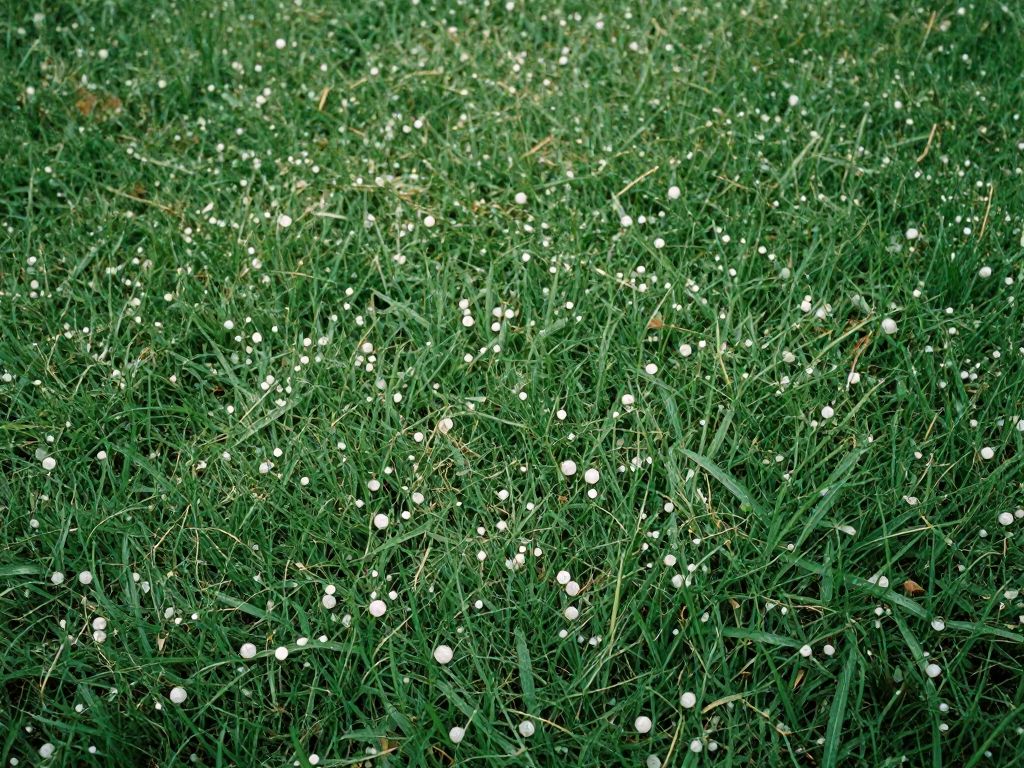
Hail-Resistant Turf: What It Is, Why It Matters, and How to Think About It in a Changing Climate
If you’re wondering whether hail-resistant turf is actually “a thing” or just marketing spin, here’s the short answer:
- Yes, turf systems can be designed to be more hail-resilient.
- No, you can’t make outdoor surfaces 100% hail-proof.
- But you can significantly reduce damage, recovery time, and long-term issues like mold and drainage problems.
This guide explains what “hail-resistant turf” really means, how hail and extreme weather affect turf, and what to look for if you’re planning future-proof landscaping, sports fields, or outdoor spaces in a changing climate.
What Is Hail-Resistant Turf, Really?
When people say hail-resistant turf, they usually mean a turf system—not just the grass blades—that is:
- Less likely to tear, compress, or bald during hail events
- Designed to drain quickly after intense storms
- Built to dry faster, which helps minimize mold and bacteria growth
- Easier and cheaper to repair if damage happens
Think of it as a resilient surface system rather than an invincible material. It’s a combination of:
- Turf fibers (or grass type)
- Infill (if synthetic)
- Backing layers
- Shock pad or base
- Drainage system
- Soil structure (for natural turf)
All these components influence how well the surface holds up during hailstorms and rapid shifts in weather.
Why Hail-Resistant Turf Matters More Now
Hail used to be seen as a rare, unlucky event. Climate and weather data now tell a different story:
- More frequent severe storms: Warmer air holds more moisture, fueling powerful storms that can produce larger hail.
- Greater variability: Regions that rarely saw damaging hail are now reporting more intense events.
- Higher costs of recovery: Damaged turf can mean canceled games, unsafe play areas, and larger maintenance budgets.
For homeowners, schools, municipalities, and facility managers, that adds up to a simple reality:
Surfaces that aren’t built with hail in mind now face higher risks of damage, downtime, and long-term deterioration.
Hail-resistant turf guidance is becoming less of a “nice-to-have” and more of a baseline for smart outdoor planning.
How Hail Damages Turf: Natural vs. Synthetic
Before talking about solutions, it helps to know what you’re protecting against.
Hail and Natural Grass
Natural grass might seem softer and more forgiving—but hail and extreme weather can still do serious damage:
- Leaf shredding: Hailstones tear leaves and blades, leaving turf thin and patchy.
- Soil compaction from heavy rain + hail impact, especially on wet, clay-heavy soils.
- Standing water in low spots, increasing disease and mold risk.
- Root damage if hail is combined with heavy rain and runoff that erodes topsoil.
- Increased vulnerability to fungi in the days after storms when moisture lingers.
Hail and Synthetic Turf
Synthetic systems don’t “heal” like grass, so hail damage shows up differently:
- Fiber breakage: Larger hailstones can split or fracture individual turf fibers over time.
- Infill displacement: Hail + intense rain can move infill around, causing uneven surfaces or hard spots.
- Backing stress: Repeated impacts in combination with UV exposure can accelerate aging of the backing.
- Drainage overload: Stormwater surges test the drainage design. Poor systems can flood or slow-drain, increasing mold and odor risk.
Core Principles of Hail-Resistant Turf Design
“Hail-resistant turf guidance” isn’t just about picking a product. It’s about using design principles that make your turf more resilient in a changing climate.
1. Prioritize Impact-Resilient Materials
For synthetic turf systems, look for:
- Durable fiber types
- Monofilament or slit-film designed for high-traffic and abrasion
- UV-stabilized fibers that don’t become brittle as quickly
- Reinforced backing
- Multi-layer or coated backing that resists tears and punctures
- Stitch patterns that help keep fibers secure after impact
For natural turf:
- Grass varieties suited to your climate
- Deep-rooted species that recover more quickly after leaf damage
- Blends that tolerate stress from temperature swings and heavy rain
2. Design for Rapid Drainage
Hailstorms bring intense rainfall right before, during, or after the hail itself. Fast drainage is essential:
- Graded base layers: Slight slopes and properly compacted bases that move water away.
- Permeable aggregates: Crushed stone or engineered bases in synthetic systems that let water pass through quickly.
- Drainage channels or pipes for high-use fields or low-lying areas.
Fast drainage:
- Reduces how long turf stays oversaturated
- Limits pooling that can create muddy or slick areas
- Helps control mold and microbial growth after extreme weather
For a closer look at how better turf design supports healthier, dryer surfaces, you can also explore how hail-resistant turf connects to mold risk and long-term performance:
See how hail-resistant turf minimizes damage and mold risk in our discussion on mold risk and turf systems.
3. Focus on Structural Resilience
A hail-resistant turf system distributes impact forces instead of absorbing them directly:
- Shock pads beneath synthetic turf help reduce the force of hail impact on the backing and base.
- Layered construction spreads stress over a wider area.
- Stable subsurface (for both natural and synthetic) prevents deformation and low spots where water can collect.
4. Plan for Recovery, Not Just Resistance
No turf is completely immune to hail. The question is: How quickly can it recover?
For natural turf:
- Root health and soil biology are your “invisible resilience.”
- Aeration, topdressing, and appropriate fertilization help grass bounce back from damage.
For synthetic turf:
- Systems that make it easy to:
- Redistribute or top up infill
- Patch or replace small sections
- Clean and disinfect after heavy storms
Climate and Weather: Why Hail-Resistant Turf Is Future-Focused
A changing climate doesn’t just mean “hotter.” It means more extremes:
- Sudden downpours and storm bursts
- More frequent freeze–thaw cycles in some regions
- Shifts in storm tracks that expose new areas to hail
This creates tension between durability, safety, and maintenance budgets.
Hail-resistant turf guidance is one way to bridge that gap:
- For schools and sports clubs: More playable days, fewer cancellations.
- For cities and parks: Surfaces that handle public use without constant repair.
- For homeowners: Lawns and landscape areas that don’t turn into mud bowls or patchwork after storms.
Instead of repairing damage over and over, you’re planning for climate resilience from the start.
Key Elements of a Hail-Resistant Turf System
Below is a high-level overview of what tends to matter most when you’re considering hail resilience.
For Synthetic Turf
-
Fiber characteristics
- High-tensile-strength fibers
- UV-stabilized polymers
- Thicker denier (fiber thickness) where appropriate
-
Backing and seams
- Multi-layer or reinforced backing
- Professional seam construction that resists splitting under stress
-
Infill
- Mixes that stay more stable under heavy rain
- Proper depth and compaction to cushion impacts
-
Base and drainage
- Engineered base that drains quickly
- Proper grading to avoid ponding
-
Shock attenuation
- Shock pad or underlayment to disperse impact energy
For Natural Turf
-
Grass species/variety
- Regionally adapted, stress-tolerant species
- Mixes that provide redundancy if one species struggles
-
Soil structure
- Good aeration and organic matter for root depth and drainage
- Avoiding severe compaction that traps water
-
Surface grading
- Gentle slopes to move water away from play zones and buildings
-
Cultural practices
- Aeration, dethatching, and overseeding to maintain density
- Sound mowing heights to protect crowns and encourage recovery
How Hail-Resistant Turf Helps Minimize Mold and Long-Term Damage
One of the less obvious benefits of planning for hail resilience is the impact on post-storm health and hygiene.
After a hailstorm, you usually face:
- Damaged surfaces
- Heavy moisture
- Organic debris (leaves, thatch, dust, pollen)
That combination can be a breeding ground for fungi and microbes, especially when drainage is poor.
Hail-resistant turf systems help by:
- Shedding water quickly, reducing the time surfaces stay saturated
- Maintaining a more uniform surface, which makes it easier to clean and maintain after storms
- Supporting better airflow around the turf system, helping it dry faster
If you’re thinking about how weather extremes contribute to mold and surface health beyond hail events, there’s more detail on how turf systems can be designed to reduce these risks here:
See how hail-resistant turf minimizes damage and mold risk in our overview of mold risk in turf environments.
Practical Hail-Resistant Turf Guidance: What to Consider Before You Build or Renovate
You don’t have to redesign everything from scratch, but thinking ahead can save you major costs later.
Questions to Ask Yourself (or Your Design Team)
-
Climate exposure
- Do you already experience hail annually or every few years?
- Are local weather patterns trending toward more intense storms?
-
Usage
- Is the area for high-traffic sports, casual recreation, pets, or decorative landscaping?
- How often does it need to be playable or presentable?
-
Risk tolerance
- Can you tolerate occasional downtime after storms?
- Or do you need rapid, reliable recovery (e.g., for scheduled events)?
-
Maintenance capacity
- Do you have staff or service providers to handle post-storm inspection and care?
- Would a simpler, more resilient system reduce your maintenance burden?
Simple Strategies That Improve Hail Resilience
Even small decisions can pay off:
-
For new synthetic fields or lawns:
- Invest in an engineered base and proper drainage rather than just focusing on the visible surface.
- Ask specifically about backing strength and fiber durability under impact.
-
For existing natural turf:
- Improve aeration and drainage in areas that frequently puddle.
- Choose overseed blends designed for stress tolerance and quick recovery.
- Adjust mowing and fertilization around storm seasons to keep turf dense and resilient.
Frequently Asked Questions About Hail-Resistant Turf
| Question | Answer |
|---|---|
| Can any turf be completely hail-proof? | No. “Hail-resistant” means more resilient and faster to recover, not invulnerable. Extreme hail can damage almost any outdoor surface. |
| Is synthetic turf more hail-resistant than natural grass? | It depends. Quality synthetic systems with good backing, shock pads, and drainage can handle repeated storms very well. Healthy natural turf can also recover quickly. The system design and maintenance matter more than the label “synthetic” vs. “natural.” |
| How does hail-resistant turf help with mold or odor problems? | Better drainage and faster drying reduce the time moisture sits on or in the turf, which lowers the risk of mold growth. Stable surfaces are also easier to clean after storms, further limiting microbial buildup. See how hail-resistant turf minimizes damage and mold risk in more detail on the mold risk turf page . |
| Does hail-resistant turf cost more? | Upfront, components like stronger backing, engineered bases, or shock pads can add cost. Over time, those choices often reduce repair, replacement, and downtime after storms, so lifecycle costs can be lower. |
| What’s the biggest factor for hail resilience? | Fast, effective drainage and structural design. A well-drained, properly constructed base with resilient backing or healthy soil structure often makes more difference than any single surface material. |
| Can existing fields or lawns be upgraded to be more hail-resistant? | Yes. For synthetic turf, upgrades may include infill adjustments, improved drainage, or partial resurfacing. For natural turf, soil improvement, aeration, and overseeding with hardier grass mixes can increase resilience. |
| How do I know if my region needs hail-resistant turf planning? | If you’ve had repeated hail events in the past decade, or if local climate reports show increasing severe storm frequency, it’s wise to factor hail-resistant turf guidance into any new project or renovation. |
Bringing It All Together
Hail-resistant turf isn’t a single product—it’s a way of thinking ahead about climate, weather, and how your surfaces will perform under stress.
By prioritizing:
- Impact-resilient materials
- Strong structural design
- Fast drainage
- Thoughtful maintenance and recovery plans
you can create outdoor spaces that stay safer, cleaner, and more usable—even as hailstorms and extreme weather become more common.
The more you understand how hail interacts with turf systems, the more confident you can be in designing or choosing surfaces that are ready for tomorrow’s climate, not just yesterday’s weather.
Explore Related Turf Resources
Related Turf Guides
- Accessible Drainage Solutions for Turf: The Key to Truly Senior-Friendly Outdoor Spaces
If you’re exploring senior-friendly turf, accessible drainage solutions for turf are just as important as the turf itself.
- Aesthetic Comparison: Turf vs. Grass (and What Actually Looks Better Long-Term)
If you’re weighing turf pros and cons, the **aesthetic differences between turf and grass** are probably at the top of your list.
- Annual Turf Care Calendar: Your Simple, Seasonal Guide to a Healthier Lawn
If you’re wondering, “What should I be doing for my lawn right now?” the answer lives inside an **annual turf care calendar**.
- Are luxury artificial turf options worth the investment for DFW homeowners?
Yes, upgrading to luxury artificial grass offers unmatched aesthetics, superior durability, and a premium feel that significantly elevates your home’s outdoor living experience and long-term value.
- Are you tired of staring at a dull, high-maintenance patch of grass?
**Yes, you can absolutely transform your yard into a stunning, functional space with a backyard landscaping makeover, and synthetic turf is often the key ingredient for DFW homeowners.**