
How to Boost Rental Curb Appeal with Turf (Fast, Visible Wins for Landlords)
If you’re looking for simple, visible ways to boost rental curb appeal with turf, here’s the core idea:
Well-designed turf—especially low-maintenance synthetic turf—can instantly upgrade your rental’s first impression, reduce yard headaches, and help attract better tenants faster.
Below, you’ll learn exactly how turf improves curb appeal, where it makes the biggest impact, and how to think about costs, maintenance, and design like a strategic landlord—not just a gardener.
Why Turf Is One of the Fastest Ways to Boost Rental Curb Appeal
Before you dive into details, it helps to understand why turf is such a powerful curb appeal tool for rental properties.
- Turf can:
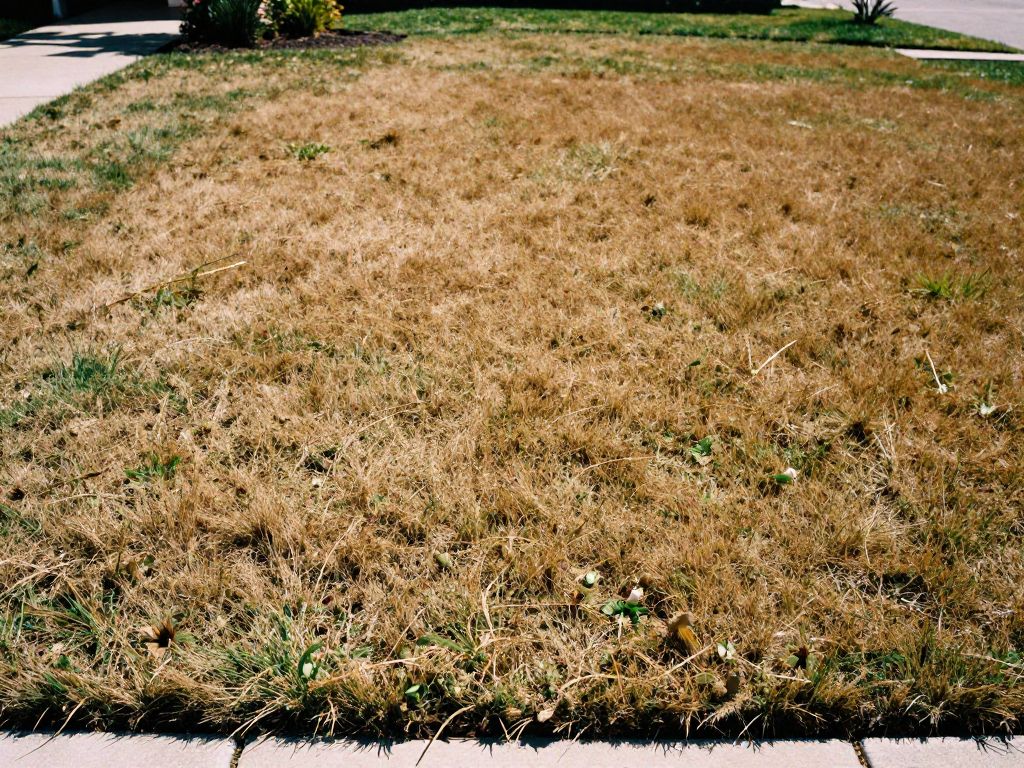
- Provide year-round green instead of patchy, brown grass
- Make your listing photos stand out with a clean, consistent look
- Reduce tenant complaints about mud, weeds, or dead lawn spots
- Cut down on ongoing yard maintenance (especially with synthetic turf)
- Create a clear, polished “frame” around your property that signals care and quality
For rentals, you’re not just creating a nice yard—you’re supporting stable occupancy, higher perceived value, and easier maintenance over time.
The Fastest Wins: Where Turf Makes the Biggest Curb Appeal Impact
To boost rental curb appeal with turf efficiently, focus on the areas prospective tenants see first and most often.
1. Front Yard Lawn: Your Primary Curb Appeal Canvas
This is where turf can dramatically change the perceived value of your rental in one move.
- Best uses in the front yard:
- A clean, rectangular lawn framed by a walkway or driveway
- Replacing patchy, high-maintenance natural grass
- Leveling uneven or muddy areas so the home looks more polished
Benefits for your rental:
- Stronger first impression from the street
- Better listing photos
- Easier to keep “show-ready” between vacancies
2. Entry Path and Walkway Edges
You can boost rental curb appeal with turf even if you don’t have—or don’t want—a big lawn.
- Strategic turf placements:
- Narrow turf strips along the driveway
- Turf borders flanking the front walkway or steps
- A small turf “welcome pad” near the front door
These smaller turf areas still deliver visual impact while keeping installation and maintenance manageable.
3. Side Yards and “Forgotten” Spaces
Side yards are often dirt, weeds, or random gravel. Tenants rarely invest effort there.
- Turf can:
- Turn a neglected side yard into a usable outdoor corridor
- Eliminate weed-choked strips that look messy from the street
- Make trash can storage or utility areas look more intentional
Improving these areas signals: “This property is cared for from every angle.”
4. Backyard “Bonus Space” (Even in Small Lots)
Prospective tenants may not see the backyard from the street—but they do see it during showings and in your listing photos. That matters.
- High-impact backyard turf ideas:
- A small “play lawn” for kids or pets
- A turf section next to a patio for outdoor seating or games
- Turf around a firepit or grilling area to define a simple outdoor living zone
Even modest backyard turf can help tenants mentally move in:
“I can see the kids playing here” / “The dog would love this” / “This yard is usable without a ton of work.”
Natural vs. Synthetic Turf: Which Is Better for Rental Curb Appeal?
To boost rental curb appeal with turf, you first need to decide between natural grass and synthetic turf. Both can work—but they serve different landlord priorities.
Natural Grass Turf
Pros:
- Lower initial installation cost
- Classic, familiar lawn aesthetic
- Cooler surface temperature in hot climates
- Some tenants prefer the feel and smell of real grass
Cons:
- Relies on tenants (or a service you pay for) to:
- Mow
- Water
- Fertilize
- Control weeds
- Higher risk of becoming:
- Patchy
- Brown
- Overgrown
- Can drive up water bills in dry climates
Best for:
Landlords with reliable landscaping support, or properties in mild, wet climates where grass grows easily.
Synthetic Turf (Artificial Grass)
Pros:
- Consistently green and tidy year-round
- Minimal ongoing maintenance (no mowing, less watering)
- Highly durable for pets, kids, and high-traffic areas
- Perfect for shaded or tricky soil areas
- Great for maximizing long-term curb appeal stability
Cons:
- Higher upfront installation cost
- Can get warm in direct sun
- Needs occasional cleaning in high-use or pet areas
- Requires quality installation to look realistic
Best for:
Landlords who want low-maintenance, reliable curb appeal, especially in dry or hot climates or with frequent tenant turnover.
7 Practical Ways to Boost Rental Curb Appeal with Turf
Here’s how to put turf to work quickly and strategically.
1. Define a Simple, Clean Lawn Shape
Instead of complicated curves, use simple shapes that photograph well and are easy to maintain:
- Rectangles or squares
- Straight edges along walkways and driveways
- Clearly defined turf vs. mulch or rock zones
This makes the property feel organized and intentional—a huge visual upgrade over random patchy grass.
2. Pair Turf with Low-Maintenance Borders
Turf looks best when it’s framed.
Consider these low-maintenance edging options:
- Concrete curbing
- Stone or brick borders
- Metal edging around plant beds
- Gravel or rock strips between turf and structures
This border not only looks clean but also:
- Reduces weed creep
- Makes maintenance more efficient
- Keeps turf edges from fraying or sinking
3. Use Turf to Simplify High-Maintenance Spots
Think about where your current lawn or landscaping is most annoying or expensive to maintain. Common culprits:
- Thin, shaded grass under trees
- Muddy patches near downspouts or hose bibbs
- High-traffic paths where grass never survives
Replacing these with turf can:
- Cut long-term maintenance
- Eliminate recurring eyesores
- Protect your curb appeal from predictable damage
4. Combine Turf with Drought-Tolerant Landscaping
You don’t need turf everywhere to boost rental curb appeal with turf effectively.
Blend turf with:
- Drought-tolerant shrubs
- Decorative gravel or rock
- Drip-irrigated plant beds
- Mulch islands with a few hardy plants
This mix creates a visually rich yard that’s still easy to maintain and appropriate for water-conscious regions.
5. Keep Turf Areas Proportionate to the Home
Too much turf can look flat and monotonous. Too little looks awkward or unfinished.
General guideline:
- Small homes:
- A tidy front yard turf section is plenty
- Medium homes:
- Front lawn + small backyard turf area
- Larger homes:
- Defined front lawn + at least one “destination” turf zone in the back
Balance turf with paths, beds, or seating areas so the yard feels designed, not just covered.
6. Plan for Pets and Kids if Your Target Tenants Have Them
If you rent to families or pet owners, turf can be a major differentiator.
For kid- and pet-friendly rentals:
- Choose durable, high-traffic turf materials
- Avoid small rocks next to turf if you worry about kids throwing them
- Consider turf in:
- Play areas
- Near swing sets
- Around seating spaces
This transforms your yard from “view-only” to “usable outdoor space” tenants will notice and value.
7. Support Turf with Smart, Low-Touch Maintenance
Once your turf is installed, keep the ongoing upkeep minimal and predictable.
For natural grass turf:
- Keep irrigation simple and automated
- Limit lawn size to what you or your landscaper can maintain easily
- Choose hardy, region-appropriate grass varieties
For synthetic turf:
- Occasionally rinse dust and debris
- Brush fibers to keep them upright in high-traffic spots
- Clean pet areas as needed
If your goal is to maximize your rental property’s curb appeal and reduce everyday headaches, consider pairing your turf strategy with other low-maintenance upgrades that make the property easier to care for. You can learn more about that approach here:
reduce tenant maintenance.
Making Turf Relevant Right Now: Why Landlords Are Rethinking Lawns
Turf is especially relevant for landlords today because:
- Weather extremes are harder on traditional lawns
- Water costs and restrictions are increasing in many regions
- Tenants have less time and interest in yard work
- Online listings put visual appeal front and center
Boosting rental curb appeal with turf isn’t just about looks—it’s about:
- Reducing friction between you and tenants over yard care
- Keeping your property attractive despite changing climate conditions
- Standing out in rental listings with clean, bright exterior photos
Turf becomes a strategic investment in stability, not just a cosmetic upgrade.
Common Mistakes to Avoid When Using Turf for Rental Curb Appeal
Even with the right concept, execution matters. Watch out for:
- Too much turf: A full turf front and back with nothing else can look sterile
- No edging or borders: Makes turf look fake or unfinished
- Ignoring drainage: Can lead to puddles or turf damage
- Choosing the cheapest option: Low-quality turf looks artificial and wears quickly
- Overcomplicated shapes: Harder to maintain and less visually clean
Aim for simple design, quality installation, and thoughtful placement over sheer square footage.
FAQ: Boosting Rental Curb Appeal with Turf
General FAQs
| Question | Answer |
|---|---|
| Does turf really help attract better tenants? | Turf won’t “guarantee” better tenants, but it improves first impressions, makes listing photos more appealing, and signals that the property is well cared for—all factors that attract tenants who value quality and upkeep. |
| Is synthetic turf worth the upfront cost for rentals? | In many cases, yes. Synthetic turf can pay off over time by reducing landscaping costs, water use, and yard repair between tenants, while maintaining consistent curb appeal. The longer you hold the property, the stronger the return. |
| Is turf a good idea for all climates? | Turf can be adapted to most climates. In hot, dry climates, synthetic turf can outperform traditional grass. In cooler, wetter climates, natural grass can still work well if maintenance is reliable. The key is matching turf type and design to your local conditions. |
| Will tenants damage synthetic turf? | Quality turf installed correctly is highly durable. Most wear issues come from poor installation or extremely heavy, localized use. For typical residential rentals, damage is rare and usually minimal. |
Design & Maintenance FAQs
| Question | Answer |
|---|---|
| How much turf do I actually need to boost curb appeal? | Often, less than you think. A simple, well-shaped front yard lawn plus one functional backyard turf area is usually enough to significantly improve both curb appeal and perceived value. |
| Can I mix turf with rock, mulch, and plants? | Yes, and you should. Combining turf with rock, mulch, and drought-tolerant plants creates a more interesting, resilient design that still stays low-maintenance. |
| Does turf get too hot for pets or kids? | Synthetic turf can get warm in full sun, especially in hot climates. You can mitigate this by: choosing lighter-colored infill, adding shaded zones, and limiting full-sun coverage where kids or pets will sit or lie for long periods. |
| How often does artificial turf need maintenance? | Most residential synthetic turf just needs periodic rinsing and light brushing, plus spot cleanups for spills or pet messes. Compared to mowing, edging, fertilizing, and weeding a natural lawn, upkeep is significantly lower. |
Investment & Value FAQs
| Question | Answer |
|---|---|
| Does boosting rental curb appeal with turf increase property value? | Turf alone may not dramatically increase appraisal value, but it can enhance marketability, perceived quality, and rental appeal, which often translate into stronger demand, quicker leasing, and potentially higher rents over time. |
| How do I know if turf is the right move for my rental? | Ask: 1) Is my current lawn a recurring problem? 2) Do I struggle with tenant yard care? 3) Is water cost or availability a concern? 4) Are my listing photos dragged down by the yard? If you answered “yes” to several, turf is likely a high-impact upgrade. |
| Can turf help lower ongoing maintenance requests? | Yes. When installed thoughtfully, turf can reduce common yard-related complaints (mud, weeds, dead spots, messy edges), which supports fewer maintenance calls and a smoother tenant experience. |
Using turf to boost rental curb appeal is ultimately about making your property:
- Look consistently attractive, online and in person
- Stay easier to care for, year after year
- Feel move-in ready to the kind of tenants you want to attract
By starting with the most visible areas, choosing the right type of turf, and keeping the design simple and intentional, you can turn your yard into a reliable asset—not a recurring problem.
Explore Related Turf Resources
Related Turf Guides
- Accessible Drainage Solutions for Turf: The Key to Truly Senior-Friendly Outdoor Spaces
If you’re exploring senior-friendly turf, accessible drainage solutions for turf are just as important as the turf itself.
- Aesthetic Comparison: Turf vs. Grass (and What Actually Looks Better Long-Term)
If you’re weighing turf pros and cons, the **aesthetic differences between turf and grass** are probably at the top of your list.
- Annual Turf Care Calendar: Your Simple, Seasonal Guide to a Healthier Lawn
If you’re wondering, “What should I be doing for my lawn right now?” the answer lives inside an **annual turf care calendar**.
- Are luxury artificial turf options worth the investment for DFW homeowners?
Yes, upgrading to luxury artificial grass offers unmatched aesthetics, superior durability, and a premium feel that significantly elevates your home’s outdoor living experience and long-term value.
- Are you tired of staring at a dull, high-maintenance patch of grass?
**Yes, you can absolutely transform your yard into a stunning, functional space with a backyard landscaping makeover, and synthetic turf is often the key ingredient for DFW homeowners.**