
How to Choose Turf: The Definitive Guide for DFW Homeowners
##?
Choosing the right artificial turf for your DFW home requires balancing three critical factors: the area's intended use (e.g., pets, playgrounds, aesthetics), the required durability (density and pile height), and the quality of the material (e.g., polyethylene for realism and longevity). For homeowners ready to invest, selecting turf based on performance specifications—not just price—ensures a long-lasting, functional, and beautiful landscape solution.
2. Deep Dive (Detailed Why and How)
The transition from natural grass to synthetic turf marks the end of mowing and watering, but the process of selection is a critical decision that influences the next two decades of your yard's performance.
Understanding Intended Use
The first step in selecting turf is defining the purpose of the area. A front yard focused purely on curb appeal needs different characteristics than a backyard designed for high-traffic play or a dedicated dog run. * Aesthetic Areas (Front Yards, Low Traffic): Here, realism is paramount. Look for turf with variegated color tones, a higher pile height (1.75 to 2.5 inches), and a dense thatch layer that mimics the look of a recently groomed, healthy lawn.
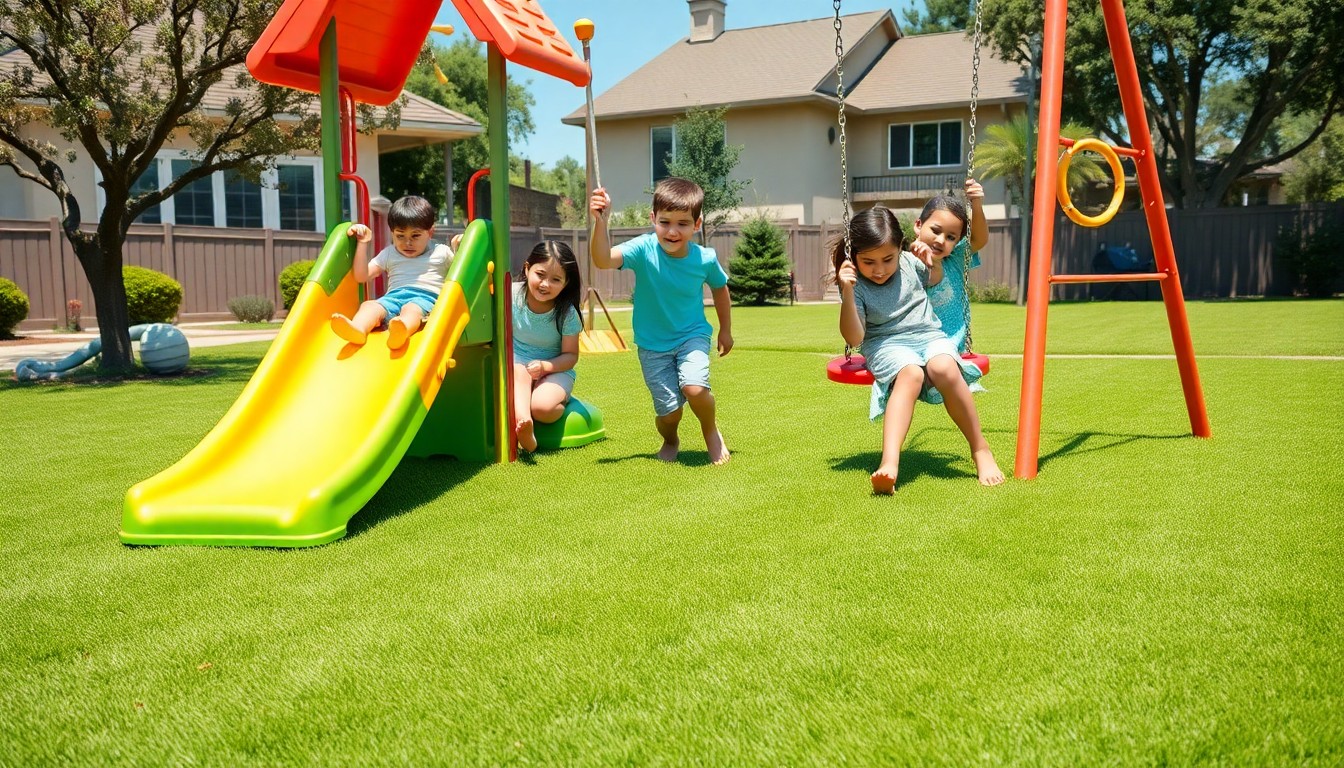
- Utility/Play Areas (High Traffic, Kids): Durability and resilience are key. Opt for a shorter pile height (around 1.25 to 1.75 inches) and high-density construction. Shorter blades stand up straighter under constant pressure, preventing the matted, worn look of poor-quality products.
- Pet Areas (Dog Runs, Backyards with Animals): The focus shifts to drainage and sanitation. Specialized pet turf systems feature non-absorbent backing, maximum drainage rates, and often incorporate antimicrobial agents. Shorter pile heights are easier to clean and manage odor.
Evaluating Turf Construction: Materials and Density
Artificial turf is typically made from three types of polymers: Polyethylene, Polypropylene, and Nylon. Polyethylene is the most common choice for residential lawns in the DFW area because it offers the best balance of softness, realistic texture, and durability.
The density (stitch count) and face weight (fiber mass per square yard) directly correlate to the turf's ability to recover from compression and its overall lifespan. Higher density turf, while more expensive upfront, provides superior resilience and holds its shape longer under the intense Texas heat and traffic.
Pile Height vs. Durability
It’s a common misconception that taller turf is always better. While taller turf (over 2 inches) looks more lush and luxurious, shorter turf (under 1.5 inches) is significantly more durable and better suited for heavy use. When a blade is shorter, it has more structural integrity and is less likely to flatten. If you choose a tall turf, ensure it has a very high face weight to support the longer blades.
3. Quick Reference (Bulleted Key Takeaways)
- Assess Purpose: Match the turf type to the area's use (Aesthetic, High-Traffic, or Pet).
- Prioritize Material: Choose polyethylene for the best balance of realism and performance.
- Check Density: High-density turf offers greater resilience and a longer lifespan.
- Balance Height: Shorter pile heights (under 1.75") are best for high-traffic areas; taller heights (over 1.75") are better for aesthetics.
- Consider Climate: Ensure the turf is UV-stabilized to prevent fading and brittle fibers in the DFW sun.
4. Strategic Hyperlink
To gain a deeper understanding of how these material choices affect long-term quality and integrity, review our complete guide on selecting the right turf material.
Explore Related Turf Resources
Related Turf Guides
- Accessible Drainage Solutions for Turf: The Key to Truly Senior-Friendly Outdoor Spaces
If you’re exploring senior-friendly turf, accessible drainage solutions for turf are just as important as the turf itself.
- Aesthetic Comparison: Turf vs. Grass (and What Actually Looks Better Long-Term)
If you’re weighing turf pros and cons, the **aesthetic differences between turf and grass** are probably at the top of your list.
- Annual Turf Care Calendar: Your Simple, Seasonal Guide to a Healthier Lawn
If you’re wondering, “What should I be doing for my lawn right now?” the answer lives inside an **annual turf care calendar**.
- Are luxury artificial turf options worth the investment for DFW homeowners?
Yes, upgrading to luxury artificial grass offers unmatched aesthetics, superior durability, and a premium feel that significantly elevates your home’s outdoor living experience and long-term value.
- Are you tired of staring at a dull, high-maintenance patch of grass?
**Yes, you can absolutely transform your yard into a stunning, functional space with a backyard landscaping makeover, and synthetic turf is often the key ingredient for DFW homeowners.**