
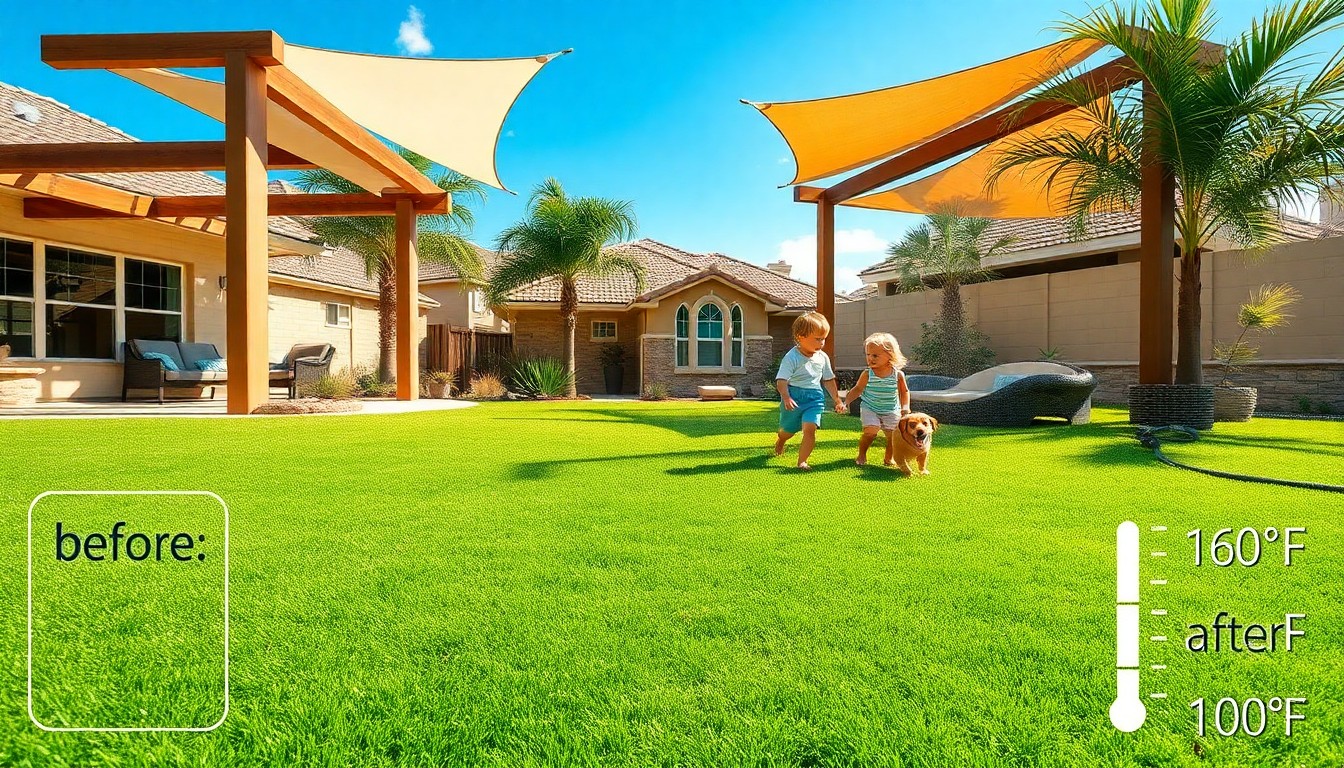
How to Keep Your Artificial Turf Cool in Texas Heat: The Guide to Heat Management
##?
Effective heat management for artificial turf involves a multi-faceted approach focused on specialized infills, strategic shading, and evaporative cooling techniques like quick rinsing. By choosing turf products engineered for hot climates and implementing simple maintenance practices, DFW homeowners can ensure their synthetic lawn remains comfortable, functional, and aesthetically pleasing even during peak summer temperatures.
2. Deep Dive (Detailed Why and How)
Artificial turf naturally retains more heat than natural grass because it lacks the evaporative cooling process that occurs with living plant material. While modern turf is designed to withstand high temperatures, the surface temperature can significantly increase comfort issues for families and pets in intense sunlight.
Choosing the right components at installation is the first and most crucial step in heat management. * Specialized Infill: Traditional sand infills absorb and retain heat. Modern, high-performance infills, such as acrylic-coated granules or cryogenically frozen rubber, contain specialized technologies (like HydroChill or T°Cool) that actively absorb and release moisture slowly. This process creates an evaporative cooling effect, which can reduce surface temperatures by 30°F to 50°F.
- Reflective Technology: Look for turf products that utilize reflective yarn technology, which scatters sunlight away from the surface. This advancement prevents significant heat buildup throughout the day.
- Permeable Backing: A highly permeable turf backing system improves airflow and drainage. When combined with evaporative cooling techniques, this allows moisture to move through and dissipate heat more effectively, further contributing to a cooler feel.Once installed, proactive management is simple but essential. * Quick Rinsing: The most effective immediate cooling solution is a brief spray of water. Because synthetic turf requires no watering, a quick 10–20 second rinse will activate the evaporative cooling process, instantly dropping the surface temperature significantly. This is especially useful right before you plan to use the lawn during the hottest part of the day.
- Strategic Shade: Incorporate landscaping features like trees, pergolas, or shade sails, particularly over high-use areas. These features block direct solar radiation, preventing the surface from reaching its peak temperature.3. Quick Reference (Bulleted Key Takeaways) * Infill is Key: Use specialized, cooling infills to create a constant evaporative cooling effect.
- Rinse for Relief: A quick spray with a hose offers immediate and dramatic temperature reduction (30°F-50°F).
- Prioritize Shade: Use trees, pergolas, or shade sails to block intense afternoon sun exposure.
- Routine Maintenance: Occasional brushing keeps turf blades upright, improving air circulation and preventing heat retention from matted fibers.
- Choose wisely: Select turf materials specifically engineered with UV-resistant and reflective fibers for hot climates.
4. Strategic Hyperlink
While managing heat ensures comfort, proper maintenance is critical for extending your turf’s overall lifetime and performance. Learn more about year-round care by addressing turf heat management.
Explore Related Turf Resources
Related Turf Guides
- Accessible Drainage Solutions for Turf: The Key to Truly Senior-Friendly Outdoor Spaces
If you’re exploring senior-friendly turf, accessible drainage solutions for turf are just as important as the turf itself.
- Aesthetic Comparison: Turf vs. Grass (and What Actually Looks Better Long-Term)
If you’re weighing turf pros and cons, the **aesthetic differences between turf and grass** are probably at the top of your list.
- Annual Turf Care Calendar: Your Simple, Seasonal Guide to a Healthier Lawn
If you’re wondering, “What should I be doing for my lawn right now?” the answer lives inside an **annual turf care calendar**.
- Are luxury artificial turf options worth the investment for DFW homeowners?
Yes, upgrading to luxury artificial grass offers unmatched aesthetics, superior durability, and a premium feel that significantly elevates your home’s outdoor living experience and long-term value.
- Are you tired of staring at a dull, high-maintenance patch of grass?
**Yes, you can absolutely transform your yard into a stunning, functional space with a backyard landscaping makeover, and synthetic turf is often the key ingredient for DFW homeowners.**