
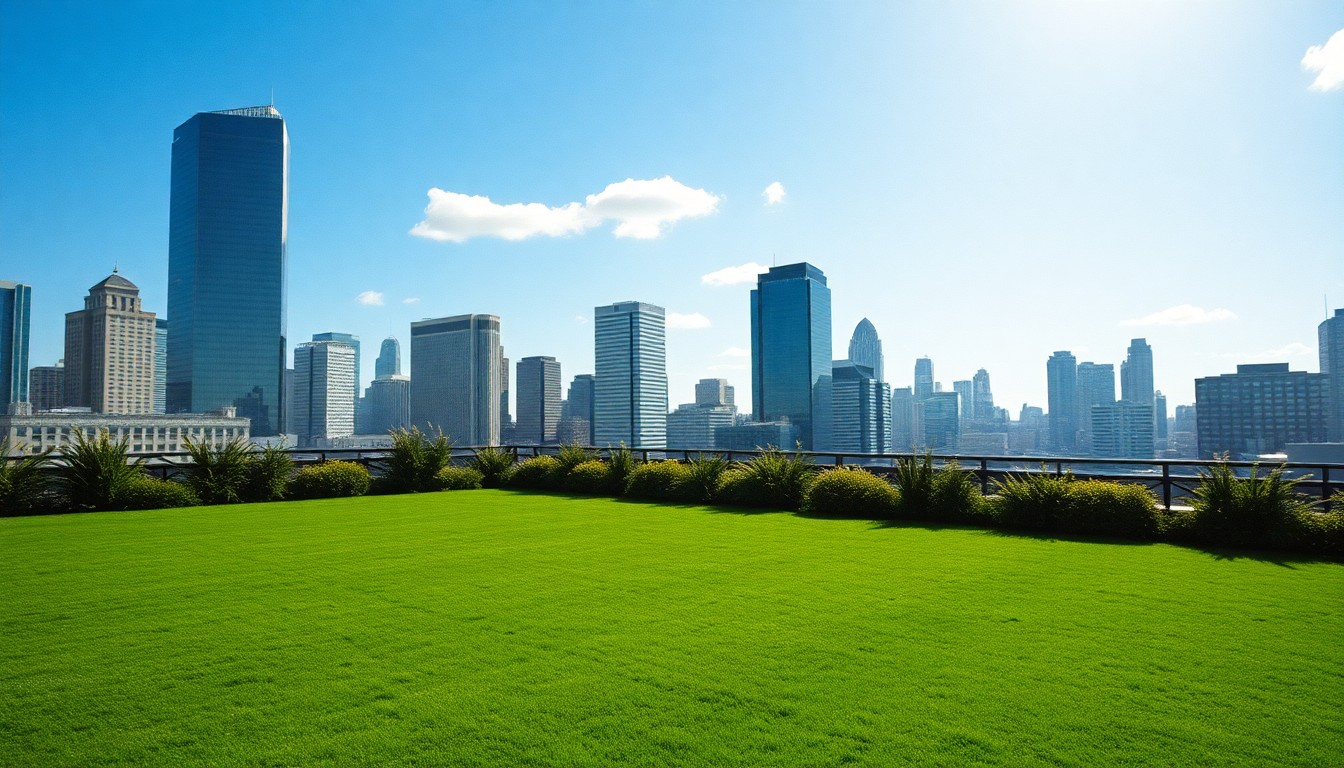
Lightweight Rooftop Turf: The Simple Answer to Softer, Greener Roofs
If you’re wondering whether lightweight rooftop turf materials can safely turn your rooftop or patio into a usable, green-feeling space, the short answer is:
Yes—if you choose the right materials and understand their weight, drainage, and heat performance.
Lightweight rooftop turf is designed to:
- Add minimal load to your roof or balcony
- Protect roof membranes
- Improve comfort and usability
- Reduce maintenance compared to natural grass
From there, the real value comes from understanding how lightweight rooftop turf works, what materials are involved, and how to plan a system that fits your space and structure.
What Is Lightweight Rooftop Turf, Really?
At the most basic level, lightweight rooftop turf is an engineered surface system that mimics grass but is:
- Much lighter than traditional roof gardens or pavers
- Built to sit on roof decks, patios, and balconies
- Designed with drainage and roof protection in mind
It’s not just “fake grass on a roof.” It’s typically a layered assembly of:
- Synthetic turf (the grass surface)
- Infill (or infill alternatives) to support the turf blades
- Drainage layer or pad
- Roof protection layer (if needed, over membranes or waterproofing)
Each piece can be selected or swapped to keep total weight down while still delivering comfort, durability, and aesthetics.
Why Lightweight Turf Matters on Rooftops & Patios
Lightweight rooftop turf materials are designed to solve a specific problem:
How do you create a “yard-like” surface on a structure that was never meant to hold a yard?
On most roofs and balconies, you’re working with:
- Strict load limits (dead load capacity)
- Existing membranes that must be protected
- Water management concerns (no pooling, no leaks)
- Heat build-up (roofs and patios get extremely hot)
Lightweight turf addresses these by:
- Reducing overall system weight compared to soil, planters, or concrete pavers
- Providing a cushioned surface without heavy rubber or thick stone
- Offering controlled drainage through engineered backing and pads
- Allowing for heat-reducing options that reflect more sun and hold less heat
If heat is a key concern for your project, you can also explore specialized heat-reducing rooftop turf solutions that build on the same lightweight principles but focus on temperature control.
Key Lightweight Rooftop Turf Materials (and Why They Matter)
When you peel back the layers, three material decisions have the biggest impact on weight, comfort, and performance:
- Turf backing & yarns
- Infill or infill alternatives
- Drainage & underlayment layers
Let’s break each down.
Synthetic Turf: Backing, Pile Height, and Yarn Types
The turf itself is the visible “grass,” but its construction is what determines both feel and weight.
1. Turf Backing
Most rooftop & patio turf uses:
- Polyurethane (PU) or latex backing – durable, but can be heavier
- Perforated backings – allow water to drain through quickly
- “Lite” or hybrid backings – engineered to reduce weight while maintaining strength
For a lightweight rooftop turf assembly, you’re usually looking for:
- Perforated, lighter-gauge backing
- Sufficient dimensional stability (won’t warp or buckle in sun and heat)
- Compatibility with drainage pads underneath
2. Pile Height and Density
- Shorter pile (around 1–1.25")
- Lighter and easier to keep cool
- Great for high-traffic, lounge, or dining areas
- Medium pile (1.5–1.75")
- A softer, plusher feel
- Slightly more material = more weight, but often still manageable
- High-density turf
- Feels more natural underfoot
- Increased weight per square foot, so needs structural consideration
3. Yarn Type and Shape
Common yarns include:
- Polyethylene – soft, widely used for landscape turf
- Nylon – very durable but usually heavier and more heat-absorbing
- Texturized thatch fibers – add support and fullness
Lightweight rooftop turf materials often prioritize:
- Polyethylene yarns for a soft, lighter-feeling surface
- Cooler color blends (lighter greens, some tan) to help with heat
- Yarn shapes that allow airflow and reduce surface temperature
Infill Choices: Weight vs. Cushion
Infill is the material brushed into the turf blades to help them stand up and to add stability and cushion. On roofs and patios, infill is often where a lot of unnecessary weight comes from.
Common options:
- Silica sand – heavy, basic, cost-effective
- Rubber granules – adds bounce, can hold heat
- Eco/alternative infills – lighter, sometimes cooler underfoot
For lightweight rooftop applications, you’ll often see:
- Reduced infill levels (not overfilled)
- Lighter-weight infills that deliver cushion without adding too much load
- In some “low-traffic” rooftop lounge spaces, minimal or specialty non-sand infill to keep weight down
Because infill can be a major component of total system weight, tailoring the infill strategy is often one of the simplest ways to make a rooftop turf system more “structurally friendly.”
Drainage & Underlayment: The Hidden Lightweight Heroes
Underneath the turf, lightweight rooftop turf materials are doing a lot of work you don’t see.
Common elements include:
-
Drainage pads or grids
- Interlocking tiles or rolled pads
- Create a drainage channel for water runoff
- Segment the load and protect the roof surface
-
Shock pads
- Provide extra cushioning (especially under play or activity areas)
- Can replace some infill weight
- Often made from foam or engineered rubber compounds
-
Protection sheets or slip sheets
- Thin layers protecting membranes from abrasion
- Very light, but crucial for long-term roof health
The goal is to:
- Maintain adequate airflow and drainage
- Prevent direct friction against roof membranes
- Provide impact absorption without resorting to heavy materials
When combined thoughtfully, these layers create a lightweight rooftop turf system that still feels substantial and safe underfoot.
Rooftop & Patio Turf: Where Lightweight Really Matters Most
Not every application needs the same material strategy. Here’s how lightweight options typically play out in different rooftop and patio settings.
1. Residential Rooftop Decks
Typical needs:
- A soft, usable area for lounging or kids’ play
- Low maintenance compared to natural grass or planters
- Attention to waterproof membranes and drainage
Lightweight rooftop turf is ideal when:
- The structure has limited load capacity
- The homeowner wants a “yard feel” without a full rooftop garden
- There’s concern about heat build-up on dark roof surfaces
2. Apartment Balconies & Terraces
Small structures and cantilevered balconies often have more restrictive load limits. Lightweight rooftop turf materials:
- Provide a transformative visual upgrade (from gray concrete to green)
- Avoid the weight of planter boxes, soil, or stone pavers
- Can sometimes be modular, allowing pieces to be lifted if inspection is needed
3. Commercial Rooftop Amenities
Hotels, multifamily rooftops, or office terraces often aim for:
- Durable surface for events, seating, and gatherings
- Clean, consistent aesthetics
- Safe footing in wet conditions
In these settings, weight management is critical across large square footage. Lightweight turf assemblies help:
- Spread load more evenly than individual pavers
- Avoid excessive structural upgrades
- Integrate with cool roof and heat-reducing strategies, especially when combined with heat-reducing rooftop turf concepts like reflective light colors or cooling infills.
How Lightweight Rooftop Turf Handles Heat
Weight and heat are separate questions, but they often show up together in rooftop projects.
On hot days, standard surfaces like:
- Black membranes
- Dark decking
- Concrete and pavers
…can become nearly unusable. Turf can also heat up, but lightweight rooftop turf materials can be chosen and layered to limit that effect.
Common heat-aware choices include:
- Lighter turf color blends to reflect more sunlight
- Yarn technology designed to stay cooler than traditional fibers
- Alternative infills that don’t hold as much heat
- Drainage and airflow layers that prevent trapped, radiating heat
Many of these strategies align closely with heat-reducing rooftop turf approaches—so you can often design a system that’s both lightweight and noticeably cooler underfoot than standard synthetic or hardscape surfaces.
Structurally Aware: Why Weight Calculations Matter
Even when using lightweight rooftop turf materials, it’s important to think in terms of pounds per square foot (psf).
Typical rooftop considerations:
- Existing structure (wood, steel, concrete)
- Intended use (private use vs. occupancy loads for gatherings)
- Additional elements (furniture, planters, pergolas, hot tubs, etc.)
While turf systems are generally much lighter than planters or poured concrete, they still add:
- Turf + backing weight
- Infill weight (if used)
- Underlayment and drainage components
This is why lightweight rooftop turf is often designed:
- With reduced infill
- With lighter backings
- Using strategic pad systems that give cushion without mass
Working with a professional who can estimate total system weight and coordinate with structural guidance is a key step in planning.
Design Considerations for Rooftop & Patio Turf
Beyond materials, there are a few practical questions that shape a successful installation.
Surface and Slope
- Most roofs and patios have a slight slope for drainage
- Turf and pads must be compatible with that slope to avoid wrinkles or pooling
Access and Logistics
- Getting rolls of turf and underlayment to the roof or upper floors
- Considering how modular the system needs to be for future access to membranes or drains
Use Zones
Different use areas may call for different material strategies:
-
Lounge and seating zones
- Softer pad, moderate pile height
- Possibly less infill to reduce weight
-
Walkways and dining areas
- Shorter pile, firmer feel underfoot
- Strong backing for chair legs and high foot traffic
-
Children’s play areas
- Shock pads and specific safety requirements
- Oversight from local code or safety standards
Benefits of Lightweight Rooftop Turf for Everyday Use
When materials and design are thoughtfully chosen, lightweight rooftop turf offers a set of day-to-day benefits that go beyond just looks.
Comfort & Usability
- Softer and more inviting than bare concrete or membrane
- Can be used barefoot or with casual footwear
- More forgiving for kids’ play or stretching out in the sun
Visual Warmth
- Transforms “hard” spaces into greener-feeling environments
- Creates a stronger indoor–outdoor connection from adjacent living areas
Low Maintenance
- No mowing, fertilizing, or re-seeding
- Simple cleaning routines (rinsing, brushing, occasional debris removal)
Versatility
- Works with furniture, planters, and other design features
- Adaptable to small balconies or large amenity decks
Weight-Conscious Upgrades
- Often lighter than traditional roof decks with pavers or large planters
- Can be tailored to meet specific structural constraints
FAQ: Lightweight Rooftop Turf & Patio Turf
| Question | Answer |
|---|---|
| Is lightweight rooftop turf safe for my roof? | When designed correctly, yes. A lightweight system is chosen to align with your roof’s load capacity, protect waterproof membranes, and manage drainage. It’s important to confirm structural limits and membrane compatibility before installation. |
| How heavy is rooftop turf compared to pavers or real grass? | Most lightweight rooftop turf systems are significantly lighter than concrete pavers or full soil/grass assemblies. Exact weight depends on turf type, infill, and underlayment, but the goal is always to minimize pounds per square foot while preserving comfort and durability. |
| Will rooftop turf get too hot in summer? | Turf can warm up, but heat-aware choices—lighter colors, specialized yarns, alternative infills, and good airflow—can make it more comfortable. Many of the strategies used in heat-reducing rooftop turf systems apply directly to lightweight rooftop installations. |
| Can I put furniture on rooftop or patio turf? | Yes. Chairs, tables, and loungers can go on rooftop turf. For very heavy items or sharp legs, using pads or furniture feet is often recommended to distribute weight and protect the turf surface. |
| Does lightweight mean it’s less durable? | Not necessarily. “Lightweight” usually refers to design choices that reduce unnecessary mass—especially in infill and underlayment—while still using durable turf fibers and backings. Durability is more about material quality and installation than weight alone. |
| How is rooftop turf kept in place if it’s not glued down? | Many systems use a combination of perimeter detailing, seam techniques, and the natural weight of the turf and infill. On some projects, mechanical methods or specific adhesives compatible with the roof assembly are used, based on membrane requirements. |
| Can lightweight rooftop turf be removed if the roof needs repair? | Yes. One advantage of modular turf assemblies is that they can often be lifted or partially removed to access membranes, drains, or other rooftop components, then reinstalled once work is complete. |
| Is rooftop turf suitable for pets? | It can be, with the right materials and drainage. Pet-friendly versions often use specific infills and cleaning routines. Drainage layers are especially important on roofs and patios to keep things sanitary and odor-controlled. |
| Do I need a professional installer? | For small balconies, some people attempt DIY solutions, but for full rooftops or larger patios, a professional installer familiar with rooftop conditions, structural loads, and membrane protection is strongly recommended. |
| How does lightweight turf compare to a full rooftop garden? | A full garden (with soil and plants) offers living greenery but is much heavier and more complex to maintain. Lightweight rooftop turf offers a green, usable surface with far less weight, complexity, and ongoing care—especially where structures weren’t designed for heavy loads. |
By understanding how lightweight rooftop turf materials affect weight, comfort, and heat, you can make clearer decisions about turning your rooftop or patio into a functional, green-feeling extension of your living space—without compromising the structure beneath it.
Explore Related Turf Resources
Related Turf Guides
- Backyard Golf Ideas: How to Turn Your Yard into a Personal Putting Playground
If you’re looking for backyard golf course ideas that feel fun, low-maintenance, and actually help your game, start with this simple principle:
- Backyard Putting Green Cost Estimate
The cost of an expertly installed artificial turf putting green for a DFW home typically ranges based on size, complexity, turf quality, and necessary ground preparation. Homeowners should anticipa...
- Ball Roll Speed Optimization: The Definitive Guide to Achieving Tournament-Grade Consistency on Your Artificial Putting Green
Ball Roll Speed Optimization: The Definitive Guide to Achieving Tournament-Grade Consistency on Your Artificial Putting Green
- Best Home Chipping Practice Turf
The ideal artificial turf for a home chipping practice area is a densely packed, short-pile synthetic grass designed to replicate the tight lie of a professional fairway or fringe, ensuring clubs interact cleanly with the "ground" for consistent ball striking and realistic performance.
- Can I install artificial turf directly over a concrete patio or slab?
Yes, absolutely! Installing artificial turf over concrete is an excellent way for DFW homeowners to transform drab, hard surfaces into beautiful, soft, and functional green spaces.