
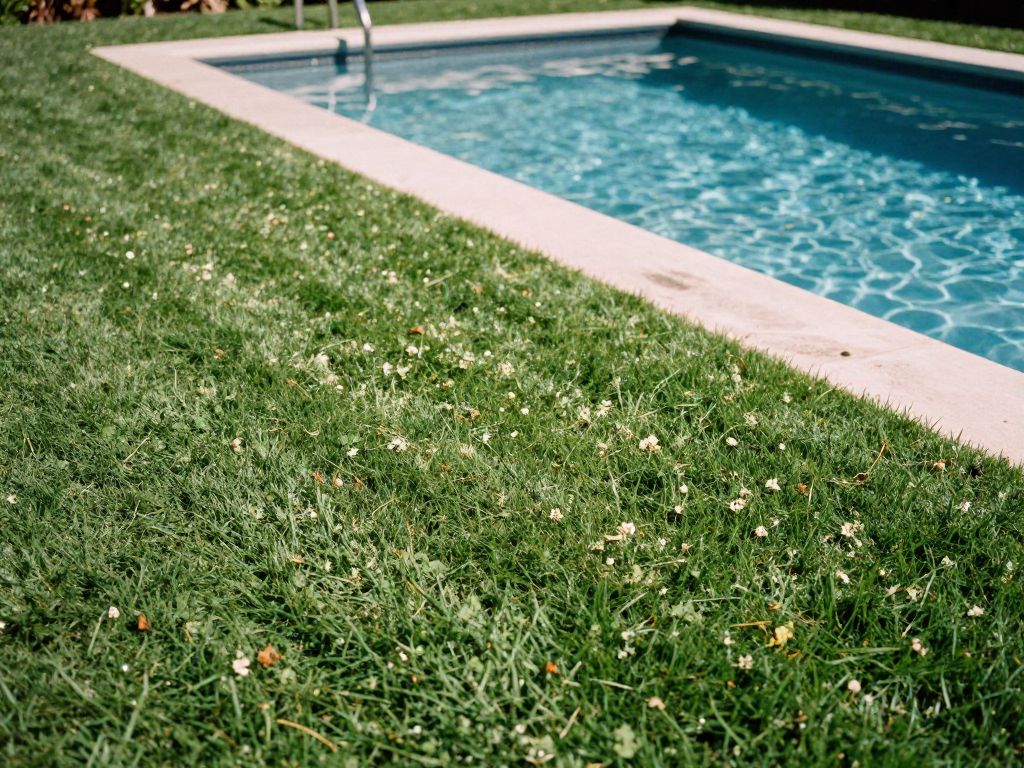
Maintaining Turf Near Water: The Essential Guide for Pool & Outdoor Spaces
If you’re searching for how to maintain turf near water—especially around pools and outdoor living areas—the core answer is this:
Maintaining turf near water is all about managing three things: moisture, drainage, and debris.
Get those right, and your turf stays clean, safe, and attractive instead of slippery, moldy, or worn out.
Below is a practical guide to maintaining turf near water so your poolside or waterfront space looks great and lasts longer, without turning maintenance into a full-time job.
Why Maintaining Turf Near Water Matters Right Now
Maintaining turf near water isn’t just about looks. It directly affects:
- Safety – Poorly maintained turf can become slick, uneven, or harbor bacteria.
- Longevity – Constant splashing, chemicals, and moisture can break down turf and infill over time.
- Comfort – A clean, well-draining surface stays cooler and feels better under bare feet.
- Hygiene – Standing water, sunscreen residue, and organic debris can lead to odors and mold if not managed.
With more people turning their backyards into full-time hangout spaces, learning how to maintain turf near water is quickly becoming as important as choosing the turf itself.
Quick-Start Checklist: Daily & Weekly Maintenance Near Pools
To keep turf near water in top condition, focus on small, consistent actions:
-
Daily (or after heavy use)
- Rinse off heavy chlorine or saltwater splash
- Remove leaves, twigs, and visible debris
- Check for standing water or puddling spots
-
Weekly
- Lightly brush high-traffic areas to keep blades upright
- Hose down sunscreen, drink spills, and dirt
- Inspect edges and seams around pool coping and drains
- Check for algae or mold in shaded, damp areas
These simple habits make long-term turf maintenance near water dramatically easier and more effective.
Understanding How Water Affects Turf Around Pools & Outdoor Spaces
1. Water Sources That Impact Turf
Maintaining turf near water starts with knowing where the water is coming from and how often it hits the surface:
- Pool splash and overflows
- Chlorinated or saltwater can leave residue on turf
- Frequent splashing saturates certain zones more than others
- Rain and storm runoff
- May bring in soil, mulch, and organic material that clog drainage
- Irrigation systems
- Overwatering can keep turf backing constantly damp
- Outdoor showers, hoses, and water features
- Create consistently wet “hot spots” that need extra attention
The more you understand these patterns, the better you can shape a maintenance routine that keeps turf near water clean and dry between uses.
2. Turf Near Water: Drainage Is the Non-Negotiable
When it comes to maintaining turf near water, drainage is the foundation. Without it, every other maintenance effort becomes a temporary fix.
Key drainage principles:
- A properly graded base
- Slight slope away from the pool edge or structure
- Compacted, permeable base (like crushed stone) that allows water to move down and away
- Adequate drainage points
- Channel drains, French drains, or perimeter drains to carry water off the surface
- Perforated backing on the turf
- Allows water to pass through quickly rather than sitting on top
Areas where turf near water fails most often share one trait: water has nowhere to go and stays too long.
Core Best Practices for Maintaining Turf Near Water
1. Regular Rinsing: Small Effort, Big Payoff
Rinsing is one of the easiest, most effective habits for maintaining turf near water, especially near pools:
- Hose down turf after heavy pool use
- Helps dilute and remove chlorine or salt residue
- Cuts down on sunscreen and body oil buildup
- Focus on high-splash zones
- Along the pool edge
- Near tanning ledges, slide exits, and jump or dive areas
- Use gentle water pressure
- Enough to rinse debris without damaging infill or seams
Consistent rinsing keeps the surface cleaner, fresher, and more resistant to staining or odors.
2. Debris Control: Keeping Turf Surfaces Clear
Organic debris + constant moisture is the fastest way to create mold, algae, and stains.
Make debris management part of your turf maintenance near water:
- Use a soft broom, plastic rake, or leaf blower
- Remove leaves, flowers, twigs, and seed pods
- Watch for “trouble spots”
- Under trees, near planters, and around outdoor kitchens
- Don’t let wet organic material sit
- Decomposing debris traps moisture and can discolor turf fibers
By keeping the surface clean, you dramatically reduce the need for more intensive cleaning later.
3. Brushing the Turf: Keeping It Upright and Even
Traffic, water, and furniture can cause turf fibers to mat down, especially near pools where people are barefoot and moving in and out frequently.
To maintain turf near water so it looks and feels natural:
- Brush lightly in multiple directions
- Use a stiff, non-metallic broom or turf brush
- Focus on:
- Lounger and chair zones
- Entry and exit paths
- Where kids run from pool to turf and back
- Frequency
- Every 1–2 weeks for high-use pool areas
- Monthly for lower-traffic zones
This supports proper drainage between fibers and maintains an even appearance.
4. Standing Water: Spot It, Solve It
Any time you see water lingering on or under the turf near water, treat it as a signal:
- Short-term puddles (after a storm or party)
- Usually fine if they disappear quickly
- Rake or brush fibers to help water move through
- Persistent puddling in the same area
- Indicates a drainage or grading issue underneath
- May require:
- Adding drainage channels
- Adjusting or re-compacting the base
- Opening pathways for water to exit
Long-term, maintaining turf near water means making sure water never becomes trapped—on the surface or in the base layer.
5. Mold, Mildew & Algae: Prevention Over Cure
Moist, shaded zones are especially vulnerable. To stay ahead of biological growth:
- Prioritize airflow and sunlight when possible
- Trim plants or adjust structures that keep certain areas constantly dark and damp
- Rinse regularly in shaded corners
- Where turf stays wetter longer after rain or splashing
- Spot-treat early
- For minor discoloration or growth:
- Use a mild, turf-safe cleaning solution
- Rinse thoroughly afterward
- For minor discoloration or growth:
If left unchecked, growth can damage backing, affect drainage, and create slick, unsafe spots underfoot.
Maintaining Turf Near Water in Pool-Specific Settings
1. Turf Around Pool Decks
Pool decks are high-traffic, high-moisture environments. Maintaining turf near water here means balancing style with practicality:
- High-traffic maintenance
- More frequent brushing to prevent matting
- Regular rinsing to manage chlorine and sunscreen
- Edge and seam checks
- Ensure turf stays secure along coping and borders
- Watch for lifted edges where water may be undermining the base
- Furniture and accessory impact
- Use protective pads under heavy loungers, umbrellas, or cabanas
- Occasionally move furniture to avoid permanent indentations
If you’re still in the planning stage, you can bake maintenance best practices into your pool deck layout—for example, aligning turf seams with drainage lines and avoiding low spots where water collects. For more ideas on designing with maintenance in mind, explore pool deck layout and material options on the internal page linked at:
pool deck turf designs.
2. Turf Between Pavers, Coping, and Hardscape
Many modern pool spaces combine turf with pavers for a clean, geometric look. This adds a few maintenance considerations:
- Joint cleaning
- Remove sand, soil, or mulch washed between turf and pavers
- Weed prevention
- Keep an eye on areas where real soil is nearby
- Pull any visible weeds immediately so roots don’t disturb the base
- Level transitions
- Check that paver edges and turf are still flush
- Address sinking or lifting early to avoid trip hazards
Maintaining turf near water in these hybrid layouts is about keeping surfaces even, clean, and free of debris that traps moisture.
3. Turf by Water Features, Spas, and Outdoor Showers
Smaller water sources can cause big localized moisture issues:
- Spas and hot tubs
- Chemicals may differ from the main pool
- Rinse runoff routes regularly
- Waterfalls and fountains
- Splash patterns can saturate the same patch of turf every day
- Consider extra drainage or raised edging near impact zones
- Outdoor showers and rinse stations
- Install drains where bare feet will drip most
- Keep turf sloped gently so water doesn’t pool
Here, maintaining turf near water is largely about balancing function (constant wet traffic) with fast, reliable drying.
Seasonal Approach to Maintaining Turf Near Water
Spring: Reset and Inspect
- Deep clean: rinse, brush, and clear all debris from winter
- Inspect for:
- Raised seams
- Compacted infill
- Early signs of mold
- Confirm that drains are free of blockages
Summer: High-Use, High-Maintenance
- Increase rinsing frequency after pool days
- Brush high-traffic and high-splash zones weekly
- Monitor hot spots:
- Pool edges
- Entry paths
- Lounge areas
Fall: Debris Management
- Stay ahead of falling leaves and plant debris
- Rinse off any accumulated organic matter
- Check that turf backing isn’t staying damp under layers of debris
Winter: Protection and Monitoring (in colder climates)
- Remove heavy snow and ice carefully, if applicable
- Avoid using metal-edged shovels on turf
- Periodically check for water pooling after thaws
Simple Cleaning & Care Guide for Turf Near Water
Dealing with Common Messes
- Sunscreen and body oils
- Rinse thoroughly with a garden hose
- For heavy buildup, use mild soap diluted in water, then rinse
- Drink spills
- Blot with a towel if needed, then rinse the area
- Food crumbs
- Sweep or blow off; rinse if any staining is visible
- Pet use (if pets share the pool area)
- Remove solids promptly
- Rinse and lightly clean the area to avoid odor build-up
Quick Reference Table: Maintaining Turf Near Water
| Maintenance Task | Why It Matters Near Water | How Often |
|---|---|---|
| Rinse turf | Removes chlorine, salt, and residues | After heavy pool use; weekly at minimum |
| Clear debris | Prevents mold, staining, and blocked drainage | Several times per week in leafy areas |
| Brush fibers | Prevents matting, supports drainage, improves look | Every 1–2 weeks in high-traffic zones |
| Check for standing water | Catches drainage problems early | After storms and heavy use |
| Inspect seams and edges | Maintains safety and structural integrity | Monthly during pool season |
| Spot-treat mold/algae | Prevents spread and slippery surfaces | As needed, especially in shaded areas |
FAQ: Maintaining Turf Near Water, Pools & Outdoor Spaces
| Is it safe to have turf right up to the pool edge? | Yes, as long as the turf system is designed for wet areas and installed with proper drainage and secure edges. Regular rinsing and inspection are key parts of maintaining turf near water at the coping line. |
|---|---|
| Will chlorine or saltwater damage my turf? | Quality turf is generally resistant to pool chemicals, but long-term buildup can dull fibers or leave residue. Rinsing after heavy use is one of the simplest ways to maintain turf near water and protect its appearance. |
| How do I prevent my turf from getting slippery when wet? | Good drainage and cleanliness are crucial. Keep debris off the surface, prevent algae or mold in shaded areas, and ensure water doesn’t pool. Proper infill and an even base also help maintain traction. |
| Can I pressure wash turf around my pool? | Light, carefully controlled pressure washing can be used occasionally, but it’s not always necessary. If you do, use a wide fan tip, keep the nozzle at a safe distance, and avoid lifting seams or removing infill. |
| How often should I deep clean turf near water? | For most pool environments, a thorough deep clean (rinsing, brushing, and inspecting) once or twice a season is enough—supplemented by regular light maintenance. |
| What if my turf smells musty or “off” near the pool? | This can indicate trapped moisture, organic buildup, or microbial growth. Rinse thoroughly, remove debris, and consider a turf-safe cleaner. If odors persist, check drainage under the turf. |
| Can I reduce maintenance by changing my pool deck design? | Yes. Thoughtful layout—such as placing drains in splash zones, avoiding low spots, and planning turf sections around high-traffic routes—can significantly simplify maintaining turf near water. To explore design choices that align with easier maintenance, see pool deck turf designs . |
| Does turf near water get hotter than concrete? | Some turf materials can retain heat, but many modern options are engineered to stay cooler underfoot than traditional hardscape. Debris-free, well-maintained turf also tends to feel more comfortable, especially when periodically rinsed. |
By focusing on drainage, cleanliness, and consistent light care, maintaining turf near water becomes a manageable, predictable part of enjoying your pool and outdoor spaces—not a constant battle. Over time, these small routines preserve the look, feel, and safety of the turf areas where people gather, play, and relax most.
Explore Related Turf Resources
Related Turf Guides
- Accessible Drainage Solutions for Turf: The Key to Truly Senior-Friendly Outdoor Spaces
If you’re exploring senior-friendly turf, accessible drainage solutions for turf are just as important as the turf itself.
- Aesthetic Comparison: Turf vs. Grass (and What Actually Looks Better Long-Term)
If you’re weighing turf pros and cons, the **aesthetic differences between turf and grass** are probably at the top of your list.
- Annual Turf Care Calendar: Your Simple, Seasonal Guide to a Healthier Lawn
If you’re wondering, “What should I be doing for my lawn right now?” the answer lives inside an **annual turf care calendar**.
- Are luxury artificial turf options worth the investment for DFW homeowners?
Yes, upgrading to luxury artificial grass offers unmatched aesthetics, superior durability, and a premium feel that significantly elevates your home’s outdoor living experience and long-term value.
- Are you tired of staring at a dull, high-maintenance patch of grass?
**Yes, you can absolutely transform your yard into a stunning, functional space with a backyard landscaping makeover, and synthetic turf is often the key ingredient for DFW homeowners.**