
Maintenance Comparison: The Real Turf Pros & Cons vs. Grass
If you’re asking, “What are the maintenance differences between turf and grass?” here’s the short answer up front:
- Artificial turf usually requires less week-to-week work (no mowing, no seeding, far less watering).
- Natural grass requires ongoing, seasonal maintenance (mowing, fertilizing, weed control, irrigation).
- Turf isn’t ‘maintenance-free’—you’ll still need brushing, cleaning, infill checks, and heat management.
- Grass can be cheaper over time in mild climates where water is affordable and labor is DIY.
- Turf can be cheaper over time in dry or high-usage areas where water and intensive care are costly.
From there, the “better” choice depends on what kind of maintenance you’re willing to do, how you use the space, and what matters most: cost, time, appearance, or feel underfoot.
Below is a deeper maintenance comparison to help you see the Turf Pros & Cons clearly, based on real-life routines—not marketing promises.
What Does “Maintenance” Really Mean for Turf vs. Grass?
When people compare turf and grass, they often think only about looks. But the real long-term difference lies in how you’ll care for it week after week, year after year.
Maintenance, in practical terms, means:
- Time: How many hours per week/month to keep it looking good
- Tasks: What jobs you actually have to do (mow, brush, clean, repair, irrigate)
- Tools: What equipment you need (mower vs. leaf blower vs. groomer)
- Costs: How much you’ll spend on water, seed, fertilizer, repair, and cleaning
- Consistency: How often you have to think about it and touch it
The maintenance differences between turf and grass start showing up the moment the lawn is in the ground—and they rarely stop.
Side-by-Side Overview: Maintenance Differences Between Turf and Grass
| Maintenance Category | Artificial Turf | Natural Grass |
|---|---|---|
| Weekly Work | Light brushing, debris removal | Mowing, edging, debris removal |
| Water Usage | Minimal (occasional rinsing) | Regular irrigation in growing seasons |
| Seasonal Tasks | Infill checks, brushing, minor repairs | Fertilizing, aeration, overseeding, weed control |
| Pest & Weed Management | Mostly edge weeds, fewer pests | Weeds, grubs, insects, potential diseases |
| Cleaning | Rinsing, spot cleaning, disinfecting (pets, spills) | Generally self-cleaning with rain; spot repair for damage |
| Heat Management | Can get very hot; may need cooling strategies | Stays cooler; minimal heat intervention |
| Long-Term Outlook | Lower routine work; eventual replacement | Ongoing care; can recover and renew itself |
Day-to-Day Maintenance: How Turf vs. Grass Actually Feels to Maintain
Artificial Turf: Less Routine Work, Different Kind of Work
What you don’t do with turf:
- No mowing
- No seasonal reseeding
- No fertilizing or lime applications
- No heavy watering schedules
- No core aeration
What you do instead:
-
Remove debris (leaves, sticks, trash)
- Use a leaf blower, plastic rake, or broom
- Frequency: weekly in leafy seasons, less in others
-
Brush the fibers upright
- Especially in higher-traffic areas like walkways, goal mouths, or pet paths
- Helps keep it looking lush and prevents matting
-
Check infill levels
- Over time, infill can migrate or compact
- You may need to top up or redistribute sand/rubber/alternative infills
-
Rinse and spot clean
- Especially for pet areas or spills (drinks, food, etc.)
- Occasional use of turf-safe cleaners or disinfectants
-
Inspect seams and edges
- Look for lifting, separation, or trip hazards
- Early repair is much easier than waiting
The main maintenance difference here is that turf is about upkeep and cleanliness, not growth. You’re maintaining a surface system rather than nurturing a living plant.
Natural Grass: Ongoing Care for a Living System
What you’ll do regularly with grass:
-
Mowing
- Often weekly during the growing season
- More frequent in fast-growth periods (spring, rainy summers)
- Plus trimming/edging along paths, beds, and fences
-
Watering
- Scheduled irrigation (sprinklers or manual watering)
- Adjusted for season, rainfall, and local restrictions
-
Weed control
- Hand-pulling, spot treatments, or broad applications
- Edges and thin spots are especially prone to weeds
-
Fertilizing
- Seasonal feeding to keep grass dense and green
- Often 2–4 times per year, depending on climate and soil
-
Aeration and dethatching
- Relieves soil compaction and allows water/air to reach roots
- May be yearly in high-traffic areas
-
Overseeding or patch repair
- To fill in bare spots
- To fix winter damage or heavy wear
For natural grass, the maintenance comparison tilts toward hands-on, recurring work, but with a reward: a living, self-healing surface that responds to your care.
Cost of Maintenance: Where Turf Pros & Cons Show Up in Your Budget
The maintenance differences between turf and grass aren’t just about time—they’re about money over years.
Artificial Turf Maintenance Costs
After the initial installation:
- Low water bills
- Occasional rinsing vs. routine irrigation
- Minimal lawn-care products
- No fertilizers, seed, or typical weed treatments for the surface itself
- Equipment
- Leaf blower or broom, possibly a specialized brush/groomer
- Periodic professional grooming (optional)
- Deep clean, infill leveling, power brushing
Big-picture: you pay more up front, then your monthly/seasonal maintenance costs tend to be lower and more predictable.
Natural Grass Maintenance Costs
Ongoing costs tend to be spread out and can fluctuate:
- Water
- Significant in dry or hot climates
- Fertilizer and soil amendments
- Seasonal applications
- Seed, sod, or patch kits
- For overseeding and repair
- Weed, insect, and disease control
- Spot treatments or seasonal programs
- Fuel/electricity & maintenance for equipment
- Mower, trimmer, aerator, etc.
- Professional lawn services (optional)
- Can be a major line item if you outsource
Overall, grass may cost less upfront but can become more expensive in high-demand conditions (intense heat, poor soil, heavy use, or strict aesthetic expectations).
Time & Lifestyle: How Maintenance Fits Your Routine
Your time is part of the maintenance comparison too. Ask yourself:
- Do you enjoy lawn work, or is it a chore you’d rather avoid?
- Are you at home enough to monitor moisture, growth, and issues with grass?
- Would a lower-maintenance surface reduce your stress or weekly to-do list?
- Turf Pros (Time & Lifestyle):
- Predictable, low weekly time commitment
- Fewer seasonal “rush” tasks (no spring recoveries, no fall overseeding)
- Easier to maintain a consistently tidy look if your schedule is packed
Grass Pros (Time & Lifestyle):
- Satisfying for people who enjoy gardening and outdoor work
- Flexible—many tasks can be DIY, spread out across seasons
- Feels more “natural” to care for a living environment
Durability & Wear: How Maintenance Responds to Heavy Use
Where the maintenance differences between turf and grass get sharp is under heavy foot traffic.
Artificial Turf Under Heavy Use
- Wear patterns show as matting, infill displacement, or fiber breakdown
- Maintenance focuses on:
- Brushing and grooming
- Infill top-ups
- Spot repairs or patching in extreme high-wear zones
Turf generally tolerates consistent, intense use better day-to-day, as long as you stay on top of grooming and small repairs.
Natural Grass Under Heavy Use
- Damage shows as bare spots, mud, compaction, and thinning
- Maintenance increases:
- More frequent aeration
- More overseeding and fertilizing
- Potentially more water to help recovery
Grass can recover, but recovery takes time and care. If you can’t rest areas, you’ll likely face a cycle of damage and repair.
Cleanliness & Hygiene: A Different Kind of Maintenance Comparison
Especially important if you have kids, pets, or frequent gatherings.
Turf Cleanliness
-
Pros:
- No mud tracked into the house
- No grass stains on clothes
- Surface can be washed and disinfected
-
Added maintenance:
- Regular pet waste removal
- Rinsing and deodorizing pet zones
- Cleaning spills to avoid odors and bacteria build-up
This turns turf maintenance into something closer to indoor-outdoor surface cleaning.
Grass Cleanliness
- Pros:
- Natural microbes and soil biology help break down waste
- Rain often cleans and refreshes the surface
- Challenges:
- Mud in wet weather
- Thatch and clippings if not managed well
- Pest activity (insects, grubs, sometimes wildlife)
Grass cleanliness is more about managing nature, whereas turf cleanliness is more about routine sanitizing and debris control.
Seasonal Changes: How Maintenance Shifts Through the Year
Seasonal Maintenance for Turf
-
Spring
- Brush out flattened fibers from winter
- Rinse and refresh
- Check seams and infill
-
Summer
- More frequent brushing in high-use areas
- Rinse dust and pollen
- Manage surface temperature (more on that below)
-
Fall
- Leaf removal (important to prevent matting and trapped moisture)
- Final grooming before winter
-
Winter
- Typically low maintenance; avoid metal tools that can damage fibers
- Clear heavy snow carefully if needed
The key difference: turf doesn’t go dormant—appearance is stable, but you still maintain it.
Seasonal Maintenance for Grass
-
Spring
- Cleanup, first mow, fertilization
- Overseeding patchy areas
- Re-establish irrigation schedules
-
Summer
- Mowing and watering are at peak
- Watch for stress, disease, and weeds
-
Fall
- Aeration, overseeding
- Leaf management
- Winterizing fertilizer in some climates
-
Winter
- Reduced mowing or complete stop
- Potential damage in freeze–thaw cycles
Grass maintenance is highly seasonal, with busy and slow periods that follow the plant’s life cycle.
Maintenance & Heat: An Overlooked but Critical Difference
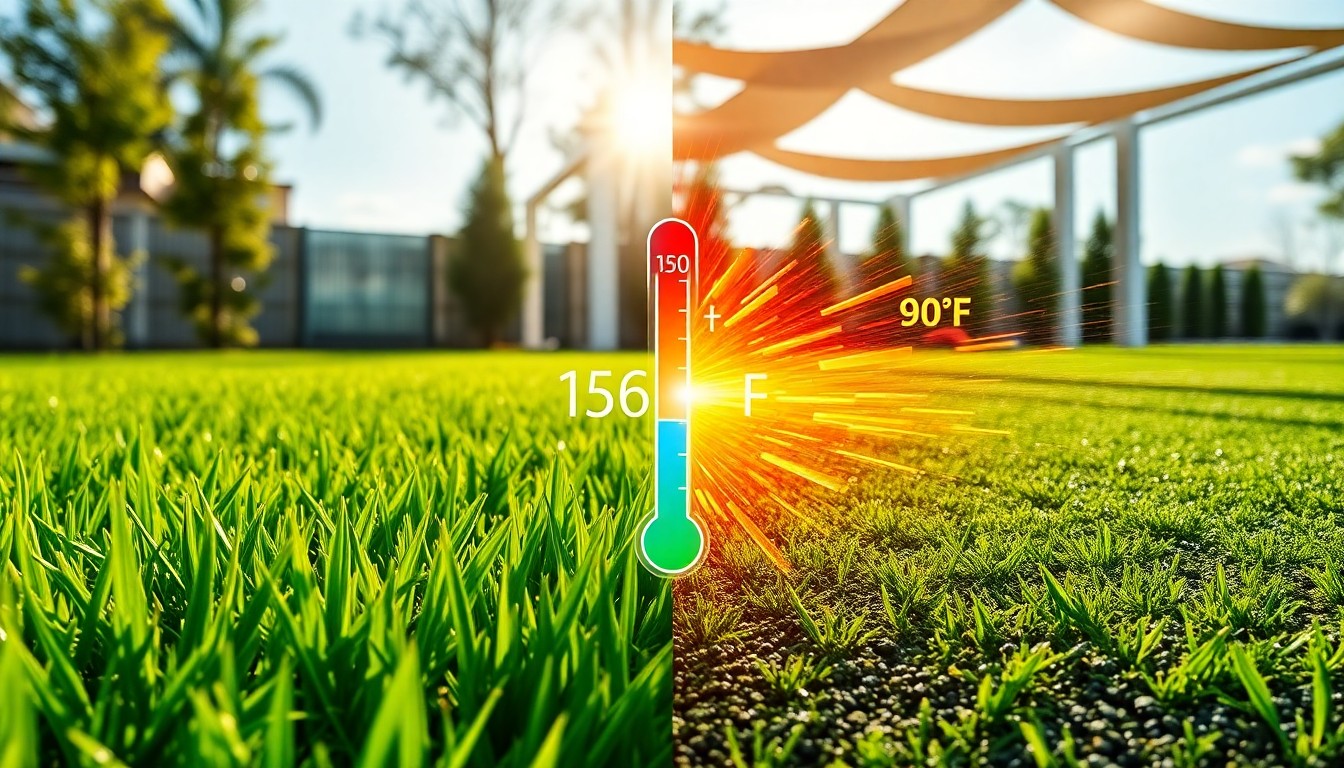
One of the biggest turf pros & cons revolves around heat, which directly affects how you maintain the space.
Artificial turf can get significantly hotter than natural grass in direct sun. That means:
- You may need to:
- Rinse the surface with water before use
- Provide shade or cooling strategies for kids and pets
- Limit certain activities at peak midday heat
Natural grass stays cooler underfoot and usually requires no extra cooling maintenance, though it may require more water to stay green in hot weather.
If heat is a concern for you, it’s worth exploring how turf maintenance and surface temperature interact in real-world settings. For a deeper dive into how each surface behaves in the sun, see how turf and grass stack up in a dedicated heat comparison.
Environmental Angle: How Maintenance Shapes Impact
Maintenance practices also define how “green” your lawn solution really is.
- Turf maintenance environmental points:
- Pros:
- Reduced water consumption
- No routine fertilizer or pesticide use on the surface itself
- Trade-offs:
- Rinsing can still use water
- Cleaning products must be chosen carefully
- Eventually, turf needs replacement and responsible disposal
Grass maintenance environmental points:
- Pros:
- Supports soil life, insects, and micro-ecosystems
- Can filter water and reduce runoff when healthy
- Trade-offs:
- Water-intensive in some climates
- Fertilizers and weed controls can impact soil and waterways
- Gas-powered mowers and equipment add emissions (unless electric)
The maintenance differences between turf and grass can shift your overall environmental footprint in subtle but important ways.
Choosing Based on Maintenance: Questions to Ask Yourself
Use these questions to decide which maintenance profile fits your reality:
- How many hours per month can you realistically give to lawn care?
- Is water cost or availability a concern in your area?
- Do you enjoy mowing, fertilizing, and nurturing plants?
- Will the area see heavy, daily use (sports, dogs, kids, events)?
- Are you comfortable with surface cleaning and grooming tasks?
- Is heat on sunny days likely to affect how you use the space?
If you prefer predictable, lighter weekly tasks and low water use, turf may align with your lifestyle.
If you value a living landscape and don’t mind hands-on, seasonal work, natural grass may be a better maintenance match.
FAQ: Maintenance Differences Between Turf and Grass
| Question | Short Answer |
|---|---|
| Is artificial turf maintenance-free? | No. Turf eliminates mowing and fertilizing, but still needs brushing, cleaning, infill checks, and occasional repairs. |
| Which is cheaper to maintain: turf or grass? | Turf often has lower ongoing maintenance costs, especially where water and labor are expensive. Grass can be cheaper if you DIY and have mild, moist conditions. |
| How often do I need to maintain artificial turf? | Light debris removal weekly, brushing as needed, deeper grooming a few times per year depending on use. |
| Does turf need watering? | Not for growth, but you may rinse it occasionally for cleaning and to cool it on hot days. |
| What’s the biggest maintenance difference between turf and grass? | Turf trades plant care (mowing, fertilizing, watering) for surface care (cleaning, brushing, inspections). |
| How do pets affect turf maintenance vs. grass? | On turf, you’ll remove solids and rinse urine more frequently. On grass, waste breaks down more naturally but can create burn spots that need repair. |
| Does turf get hotter than grass, and does that change maintenance? | Yes, turf often gets significantly hotter in direct sun. You may need to rinse or shade it as part of your regular summer routine. |
| Can artificial turf grow weeds? | Weeds can appear at edges or through drainage holes if base prep or barriers are compromised, but it’s usually less than in grass. |
| How long does artificial turf last with proper maintenance? | Often around 10–15 years for residential use, depending on quality, traffic, and how consistently it’s maintained. |
| Will grass always need more work than turf? | Generally yes, because it’s a living plant system. However, a small, low-demand grass area in an ideal climate can be relatively easy to maintain. |
Understanding the maintenance differences between turf and grass helps you move beyond looks and trends to what truly matters: how much time, effort, and cost you’re willing to invest year after year. Once you’re clear on that, the Turf Pros & Cons become much easier to weigh against your lifestyle, climate, and expectations.
Explore Related Turf Resources
Related Turf Guides
- Accessible Drainage Solutions for Turf: The Key to Truly Senior-Friendly Outdoor Spaces
If you’re exploring senior-friendly turf, accessible drainage solutions for turf are just as important as the turf itself.
- Aesthetic Comparison: Turf vs. Grass (and What Actually Looks Better Long-Term)
If you’re weighing turf pros and cons, the **aesthetic differences between turf and grass** are probably at the top of your list.
- Annual Turf Care Calendar: Your Simple, Seasonal Guide to a Healthier Lawn
If you’re wondering, “What should I be doing for my lawn right now?” the answer lives inside an **annual turf care calendar**.
- Are luxury artificial turf options worth the investment for DFW homeowners?
Yes, upgrading to luxury artificial grass offers unmatched aesthetics, superior durability, and a premium feel that significantly elevates your home’s outdoor living experience and long-term value.
- Are you tired of staring at a dull, high-maintenance patch of grass?
**Yes, you can absolutely transform your yard into a stunning, functional space with a backyard landscaping makeover, and synthetic turf is often the key ingredient for DFW homeowners.**