
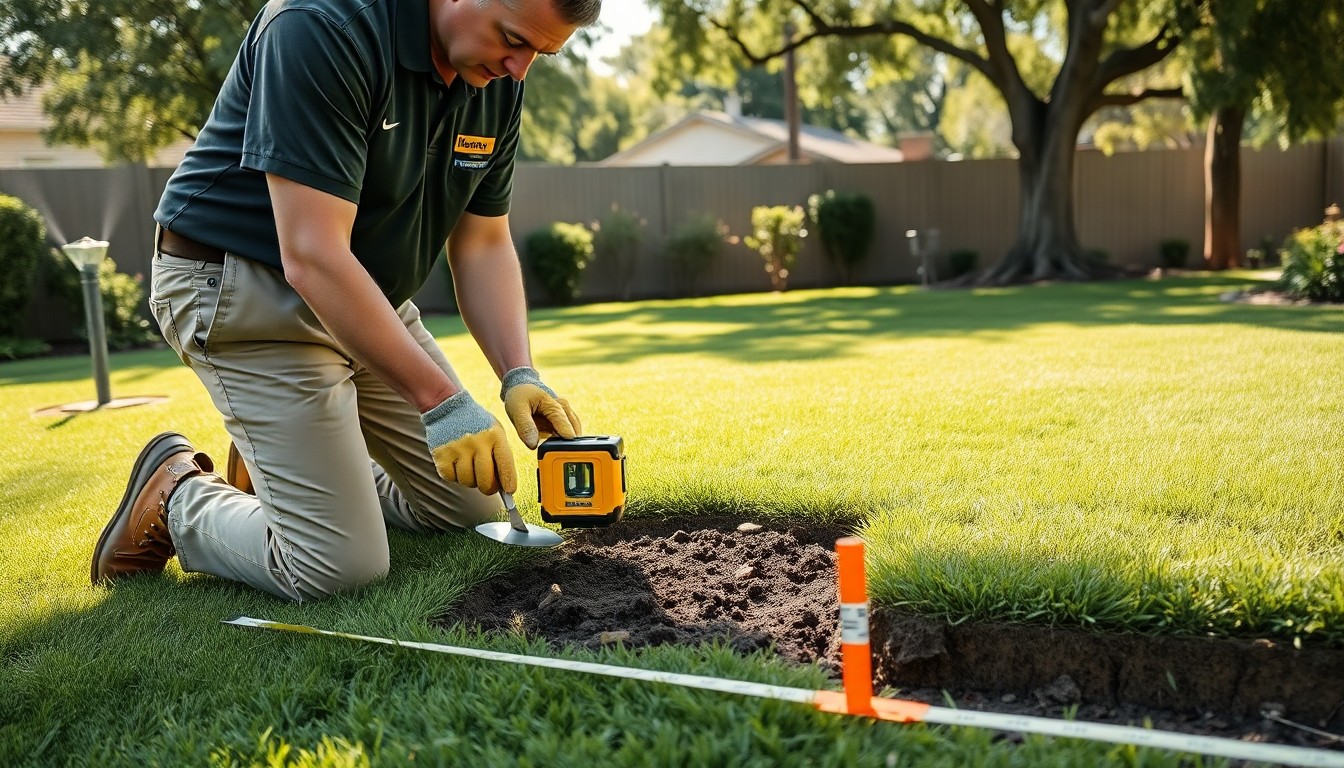
The Critical Role of Site Assessment in Your DFW Artificial Turf Installation
##?
A professional site assessment is the indispensable first step for any artificial turf installation, involving a detailed evaluation of your yard’s unique characteristics, including soil condition, existing drainage, slope, and potential obstacles. This critical inspection ensures the installation plan is tailored for optimal performance, longevity, and aesthetic appeal, directly preventing future issues related to poor drainage or uneven surfaces.
2. Deep Dive (Detailed Why and How)
Why You Can’t Skip the Site Assessment
For DFW homeowners, installing artificial turf is a significant investment. The success of that investment hinges entirely on the quality of the groundwork, which is determined during the site assessment. This isn't just a quick look at your grass; it’s a detailed engineering review of the canvas upon which your new lawn will be built.Key Assessment Factors
Slope and Grading: The initial assessment measures the slope (grade) of your yard. Even seemingly flat yards can have subtle slopes. Proper grading must be established to ensure efficient water runoff. If a slope is mismanaged, water can pool beneath the turf, leading to mold, mildew, and potential turf separation over time.
- Existing Drainage: Dallas-Fort Worth soil can be dense and highly absorbent. The assessment determines how well your current sub-base drains. If your site has poor permeability, the installation crew may need to implement enhanced drainage solutions—such as trenching or specific aggregate layering—to manage Texas downpours effectively.
- Soil Composition and Obstacles: The type of soil (clay, sand, loam) impacts the amount of base material required and how much excavation is necessary. Additionally, the assessment identifies potential installation obstacles, such as root systems, utility lines, irrigation components, or irregular hardscapes, allowing for precise planning and cost estimation, avoiding costly surprises later.
- Sunlight and Usage: While turf doesn't need sun to grow, the amount of sunlight impacts the choice of infill (for cooling) and turf type (for appearance). Usage patterns—such as heavy foot traffic, pet areas, or playground zones—are noted to recommend the most durable fiber density and pile height for maximum lifespan.
3. Quick Reference (Bulleted Key Takeaways)
- Customized Plan: Ensures the installation is specifically designed for your property's topography and drainage needs.
- Preventative Measure: Identifies hidden issues (like poor soil or grading) that could cause drainage failure or premature wear.
- Accurate Costing: Eliminates guesswork, providing a precise material and labor estimate based on site complexity.
- Long-Term Durability: Foundation integrity established during the assessment maximizes turf lifespan and warranty validity.
4. Strategic Hyperlink
Once the site assessment is complete, the next critical phase involves preparing the ground. To understand exactly how the site conditions affect the quality of the underlayment, please review our detailed guide on the subsequent Site assessment findings.
Explore Related Turf Resources
Related Turf Guides
- Accessible Drainage Solutions for Turf: The Key to Truly Senior-Friendly Outdoor Spaces
If you’re exploring senior-friendly turf, accessible drainage solutions for turf are just as important as the turf itself.
- Aesthetic Comparison: Turf vs. Grass (and What Actually Looks Better Long-Term)
If you’re weighing turf pros and cons, the **aesthetic differences between turf and grass** are probably at the top of your list.
- Annual Turf Care Calendar: Your Simple, Seasonal Guide to a Healthier Lawn
If you’re wondering, “What should I be doing for my lawn right now?” the answer lives inside an **annual turf care calendar**.
- Are luxury artificial turf options worth the investment for DFW homeowners?
Yes, upgrading to luxury artificial grass offers unmatched aesthetics, superior durability, and a premium feel that significantly elevates your home’s outdoor living experience and long-term value.
- Are you tired of staring at a dull, high-maintenance patch of grass?
**Yes, you can absolutely transform your yard into a stunning, functional space with a backyard landscaping makeover, and synthetic turf is often the key ingredient for DFW homeowners.**