
The Definitive Guide to Artificial Turf and the Heat Island Effect
##?
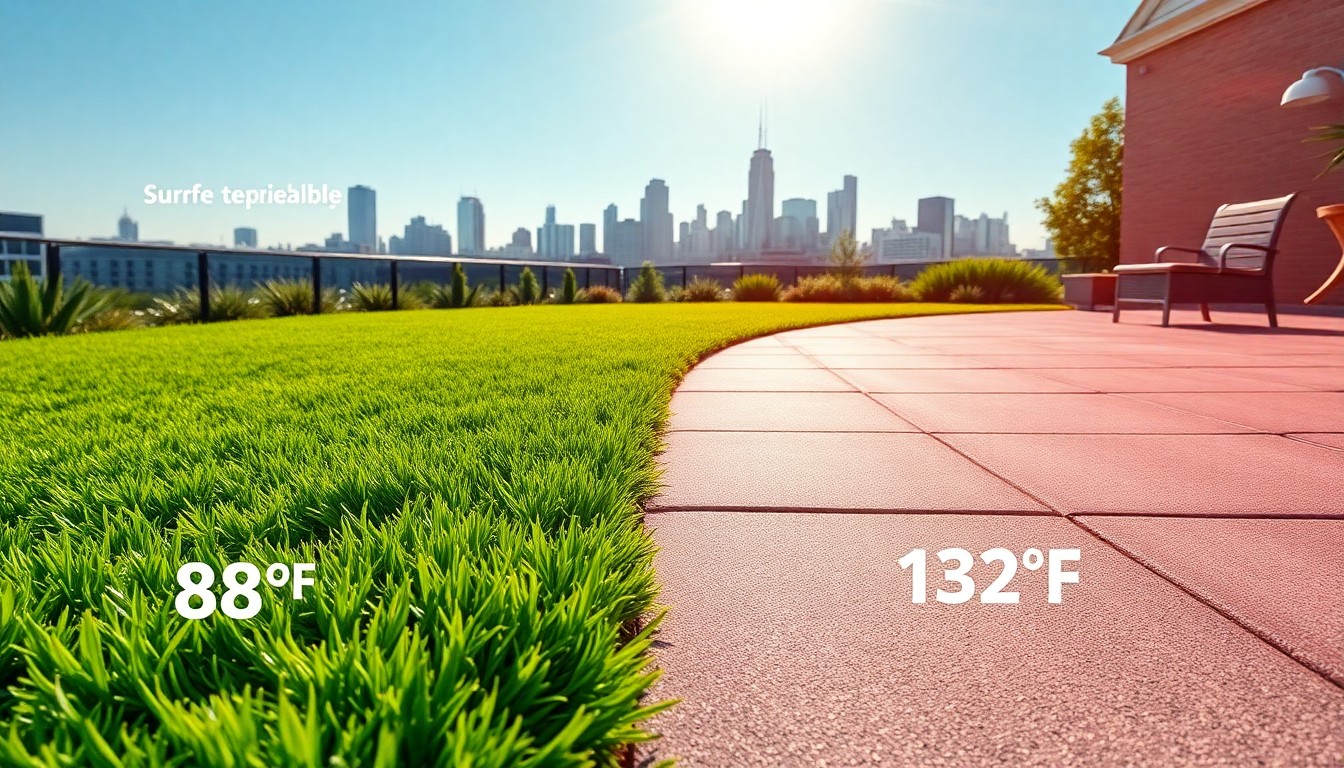
While artificial turf itself retains heat, specialized, modern synthetic grass systems can be strategically used to mitigate the urban Heat Island Effect (HIE) when replacing extensive heat-absorbing hardscape materials like concrete and asphalt. High-quality turf minimizes surface temperature concerns through advanced infill materials (like T°Cool or zeolite) and UV-reflective fiber technologies, offering a beautiful, low-maintenance surface that can be cooler than typical urban hardscapes.
2. Deep Dive (Detailed Why and How)
The urban heat island effect describes how built-up areas become significantly warmer than surrounding rural areas. This occurs because dark, impervious surfaces absorb and retain vast amounts of solar radiation.
When considering artificial turf, it is true that synthetic fibers, especially darker or higher-density products, can heat up substantially in direct sunlight, sometimes reaching temperatures between 150°F and 173°F if left untreated.
However, modern turf solutions are not the same as those installed decades ago. Innovative manufacturers have developed several key technologies to directly address surface temperature concerns:
Reflective Fiber Technology: Specialized fibers are engineered with infrared-reflective pigments that bounce solar radiation away, significantly reducing the heat absorbed by the blades. This can lower surface temperatures by up to 30 degrees compared to standard turf.
- Advanced Cooling Infill: The material used between the turf fibers (the infill) plays a crucial role. Standard black rubber or silica sand can absorb heat, but specialized cooling infills, such as T°Cool or Hydrochill, work by absorbing moisture (from rain, dew, or light irrigation) and releasing it slowly through evaporation, actively cooling the surface. Tests have shown these can reduce surface temperatures by 30 to 50 degrees.
- Strategic Hardscape Replacement: In the context of the larger urban landscape, replacing massive areas of concrete, asphalt, or traditional pavers—which are major contributors to HIE—with even standard synthetic turf can provide a relative improvement in heat management and water permeation. For the homeowner, utilizing cooling turf allows you to install a functional green space where you might otherwise have a concrete patio, thereby making your small contribution to reducing overall urban heat gain.
3. Quick Reference (Bulleted Key Takeaways)
- HIE Contribution: Synthetic turf is generally warmer than natural grass but can be cooler than concrete and asphalt.
- Temperature Mitigation: Modern turf utilizes reflective fibers and cooling infills (like T°Cool or zeolite) to reduce surface heat significantly.
- Safety Threshold: Without cooling features, turf can exceed 150°F, requiring shoes or alternative cooling measures.
- Water Benefits: Unlike heat-absorbing hardscapes, quality turf systems include permeability and drainage, allowing water to cycle and preventing pooling.
4. Strategic Hyperlink
Choosing the right type of artificial grass is essential to ensure your installation performs optimally in hot climates. Understanding the exact composition of the turf, particularly the infill and fiber technology, is key to minimizing surface temperatures and maximizing comfort. To fully explore how material science can create a cooler, safer lawn, review our detailed guide on the various options you can use to mitigate the heat island effect.
Explore Related Turf Resources
Related Turf Guides
- Accessible Drainage Solutions for Turf: The Key to Truly Senior-Friendly Outdoor Spaces
If you’re exploring senior-friendly turf, accessible drainage solutions for turf are just as important as the turf itself.
- Aesthetic Comparison: Turf vs. Grass (and What Actually Looks Better Long-Term)
If you’re weighing turf pros and cons, the **aesthetic differences between turf and grass** are probably at the top of your list.
- Annual Turf Care Calendar: Your Simple, Seasonal Guide to a Healthier Lawn
If you’re wondering, “What should I be doing for my lawn right now?” the answer lives inside an **annual turf care calendar**.
- Are luxury artificial turf options worth the investment for DFW homeowners?
Yes, upgrading to luxury artificial grass offers unmatched aesthetics, superior durability, and a premium feel that significantly elevates your home’s outdoor living experience and long-term value.
- Are you tired of staring at a dull, high-maintenance patch of grass?
**Yes, you can absolutely transform your yard into a stunning, functional space with a backyard landscaping makeover, and synthetic turf is often the key ingredient for DFW homeowners.**