The Definitive Guide to Artificial Turf Construction for DFW Homeowners
##?
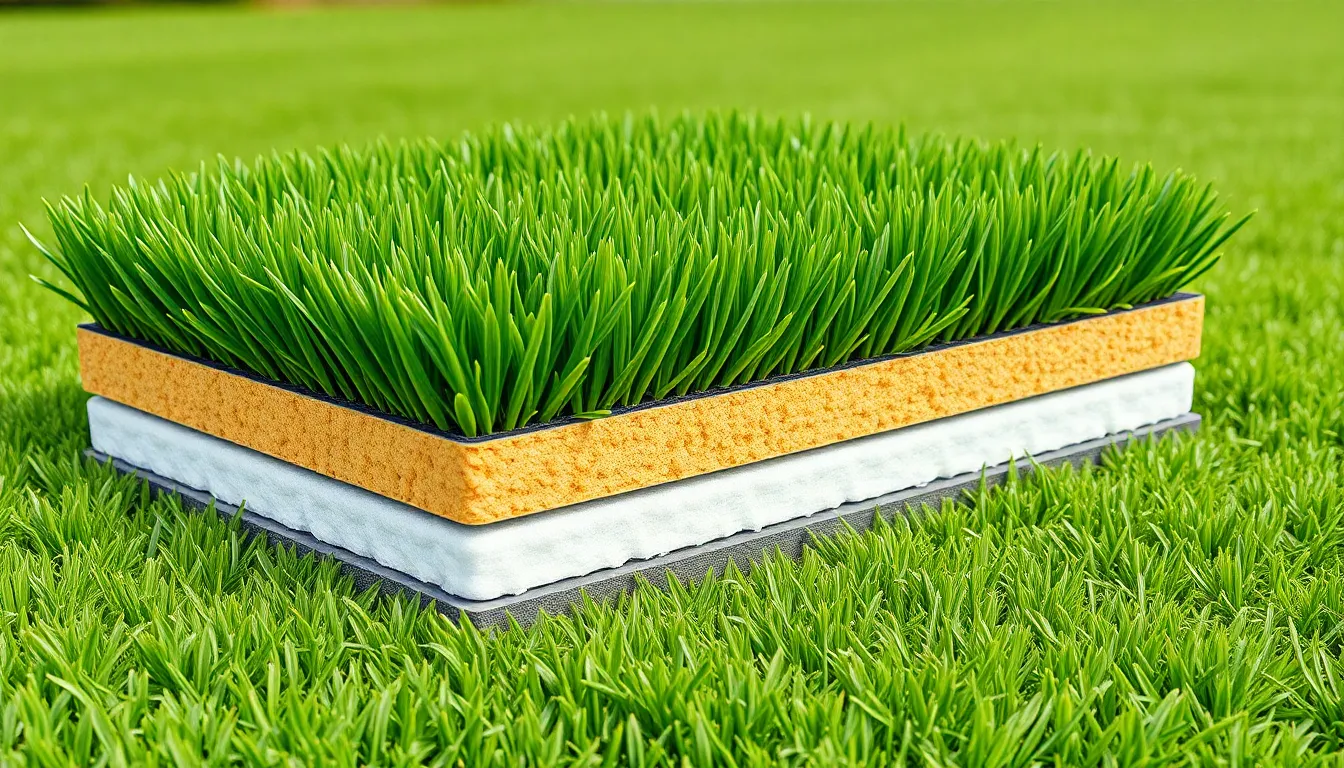
High-quality artificial turf is constructed as a sophisticated system comprising three core elements: durable synthetic fibers (the blades), a robust backing material, and specialized infill. This layered, engineered approach ensures maximum drainage, structural integrity, UV protection, and long-term resilience, making it a permanent landscape solution far superior to conventional sod.
2. Deep Dive (Detailed Why and How)
Understanding the Layers
The true performance of synthetic grass is found in its construction. It is not simply a carpet; it is an engineered surfacing system designed to withstand intense weather, heavy foot traffic, and UV exposure over decades.
The Synthetic Fibers (The Blades)
The visible part of the turf—the grass blades—are typically made from polyethylene, polypropylene, or nylon. These materials are chosen for their resilience, ability to hold color against UV rays, and feel. The fiber density (the amount of material used) and pile height (the length of the blades) determine the turf’s aesthetic realism and its durability rating.
The Backing System
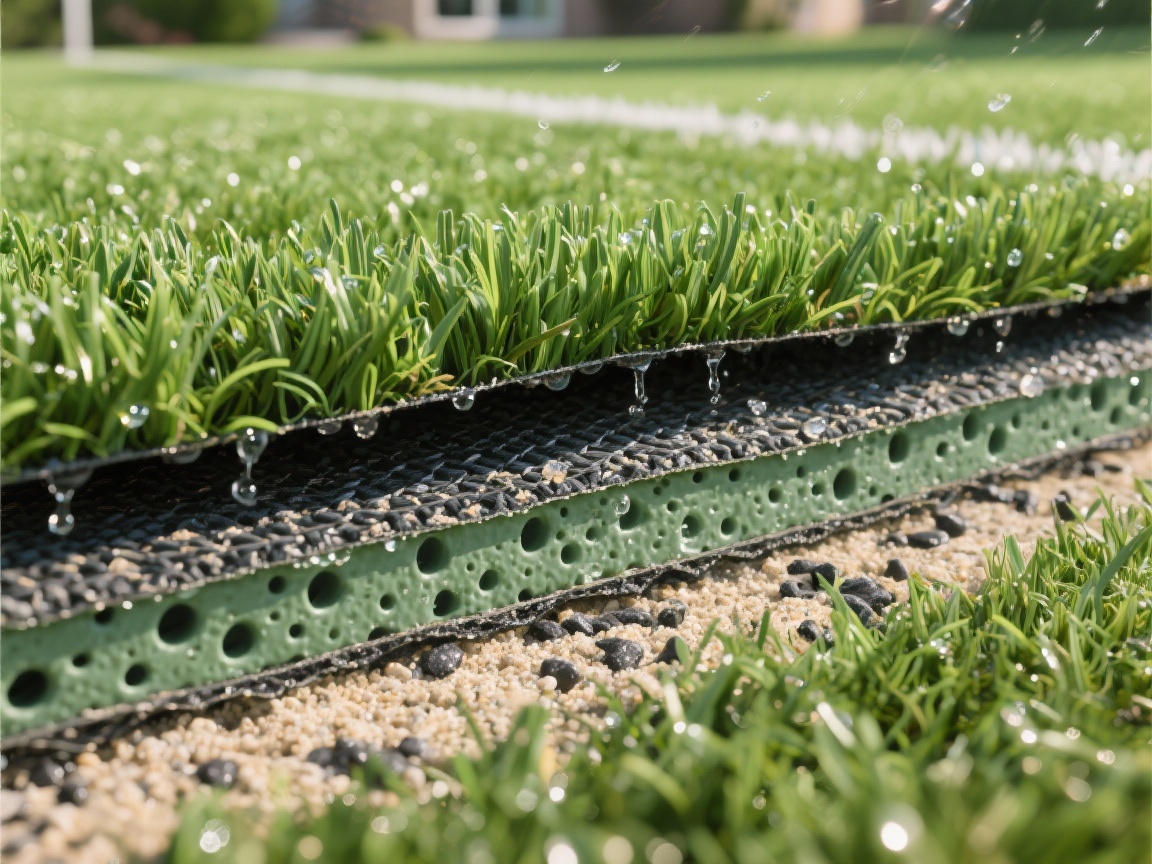
The backing is the foundation. Modern turf utilizes a heavy-duty primary backing (often polypropylene fabric woven together) and a strong secondary coating (usually latex or polyurethane). This combination locks the fibers securely in place and, critically, contains a highly permeable network of drainage holes. Superior drainage is essential, especially in the DFW area, to prevent water pooling and odors from pet waste.
The Infill Material
Infill—often silica sand, rubber granules, or specialized coated products—is brushed into the turf after installation. It serves three vital functions: it weighs the turf down to prevent movement, it protects the fibers by supporting them upright against wear, and it acts as insulation to help regulate the surface temperature.
Why Construction Matters for Longevity
The quality of construction directly dictates the turf’s lifespan. A poor-quality backing will degrade and shrink, leading to wrinkles. Low-density, short-pile fibers will matt down quickly. Investing in turf with premium construction ensures that your initial cost results in a full 15-25 year return on a vibrant, functional lawn.
3. Quick Reference (Bulleted Key Takeaways)
- Fibers: Provide realism, UV resistance, and comfort. Material choice impacts durability and feel.
- Backing: The primary layer that locks fibers and contains essential drainage holes.
- Infill: Stabilizes the turf, supports the blades, and helps regulate surface temperature.
- Permeability: High-quality construction ensures rapid water and liquid waste drainage.
- Lifespan: Engineered components guarantee long-term performance against Texas heat and use.
4. Strategic Hyperlink
To fully appreciate how these components work together, especially regarding wear and temperature management, it is necessary to understand the properties of the raw materials. Review our detailed comparison that explains precisely how turf fiber materials fit into overall construction.
Explore Related Turf Resources
Related Turf Guides
- Accessible Drainage Solutions for Turf: The Key to Truly Senior-Friendly Outdoor Spaces
If you’re exploring senior-friendly turf, accessible drainage solutions for turf are just as important as the turf itself.
- Aesthetic Comparison: Turf vs. Grass (and What Actually Looks Better Long-Term)
If you’re weighing turf pros and cons, the **aesthetic differences between turf and grass** are probably at the top of your list.
- Annual Turf Care Calendar: Your Simple, Seasonal Guide to a Healthier Lawn
If you’re wondering, “What should I be doing for my lawn right now?” the answer lives inside an **annual turf care calendar**.
- Are luxury artificial turf options worth the investment for DFW homeowners?
Yes, upgrading to luxury artificial grass offers unmatched aesthetics, superior durability, and a premium feel that significantly elevates your home’s outdoor living experience and long-term value.
- Are you tired of staring at a dull, high-maintenance patch of grass?
**Yes, you can absolutely transform your yard into a stunning, functional space with a backyard landscaping makeover, and synthetic turf is often the key ingredient for DFW homeowners.**