
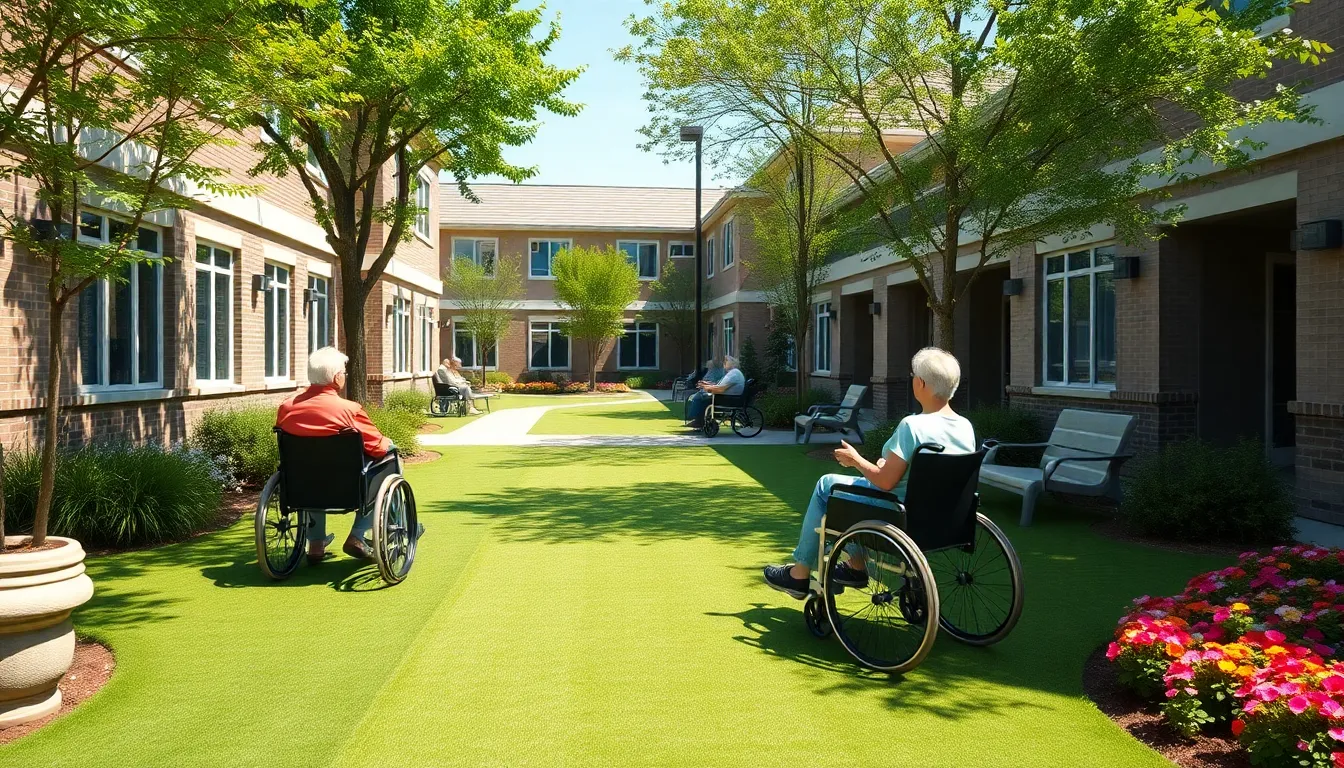
The Definitive Guide to Artificial Turf for Senior Living Communities
Artificial turf is the premier low-maintenance, high-safety landscaping solution for senior living communities, offering a consistently non-slip, low-impact surface that drastically reduces maintenance costs and water usage while enhancing the aesthetic quality of common areas, walking paths, and activity zones. For administrators and decision-makers, synthetic grass represents a strategic investment in resident welfare and long-term facility operational efficiency.
In-Depth Guide
Prioritizing Resident Safety and Accessibility
In senior living environments, safety is paramount. Natural grass can quickly develop uneven spots, muddy patches, or trip hazards, especially after rain or heavy foot traffic. High-quality artificial turf provides a smooth, uniform surface that is ADA compliant for wheelchairs and walkers. The material is designed to be highly non-slip, even when wet, significantly reducing the risk of falls—a critical concern in senior care settings.
Reduced Maintenance, Increased Efficiency
One of the most compelling operational benefits is the near-elimination of exterior maintenance. Synthetic turf permanently removes the need for mowing, chemical fertilization, pesticide application, and aeration. This frees up facility staff and reduces the noise pollution associated with weekly lawn care, creating a quieter, more peaceful environment for residents.
The Financial Impact of Water Conservation
Senior living communities often manage extensive grounds. In regions like DFW, maintaining natural grass demands enormous volumes of water. Artificial turf eliminates this demand entirely, leading to immediate and substantial reductions in monthly water bills. This water conservation is not just an expense saver; it aligns with corporate sustainability goals and improves compliance during regional water restrictions.
Year-Round Usability and Aesthetics
Residents and families value a beautiful, well-maintained campus. Unlike natural grass, which can turn brown in the summer heat or thin out in shaded areas, synthetic turf maintains a vibrant, pristine green appearance 365 days a year. This visual consistency ensures that patios, courtyards, and walking areas are always inviting and usable, regardless of weather conditions.
Key Takeaways
- Enhanced Safety: Provides a uniform, non-slip surface, reducing fall risks.
- Zero Water Use: Eliminates irrigation needs, leading to significant utility savings.
- Low Impact: Offers a softer surface underfoot compared to concrete or asphalt.
- Chemical-Free: Removes the need for toxic fertilizers and pesticides on the grounds.
- Increased Accessibility: Ideal surface for mobility devices, including wheelchairs and walkers.
- Always Pristine: Maintains a perfect, green appearance year-round with minimal effort.
Choosing the right type of turf is essential for maximizing these safety and operational benefits. To ensure your pathways and common areas are optimized for safety and durability, review our guide on selecting the best turf for senior living communities.
Explore Related Turf Resources
Related Turf Guides
- Accessible Drainage Solutions for Turf: The Key to Truly Senior-Friendly Outdoor Spaces
If you’re exploring senior-friendly turf, accessible drainage solutions for turf are just as important as the turf itself.
- Aesthetic Comparison: Turf vs. Grass (and What Actually Looks Better Long-Term)
If you’re weighing turf pros and cons, the **aesthetic differences between turf and grass** are probably at the top of your list.
- Annual Turf Care Calendar: Your Simple, Seasonal Guide to a Healthier Lawn
If you’re wondering, “What should I be doing for my lawn right now?” the answer lives inside an **annual turf care calendar**.
- Are luxury artificial turf options worth the investment for DFW homeowners?
Yes, upgrading to luxury artificial grass offers unmatched aesthetics, superior durability, and a premium feel that significantly elevates your home’s outdoor living experience and long-term value.
- Are you tired of staring at a dull, high-maintenance patch of grass?
**Yes, you can absolutely transform your yard into a stunning, functional space with a backyard landscaping makeover, and synthetic turf is often the key ingredient for DFW homeowners.**