
The Definitive Guide to Artificial Turf Freeze Performance
##?
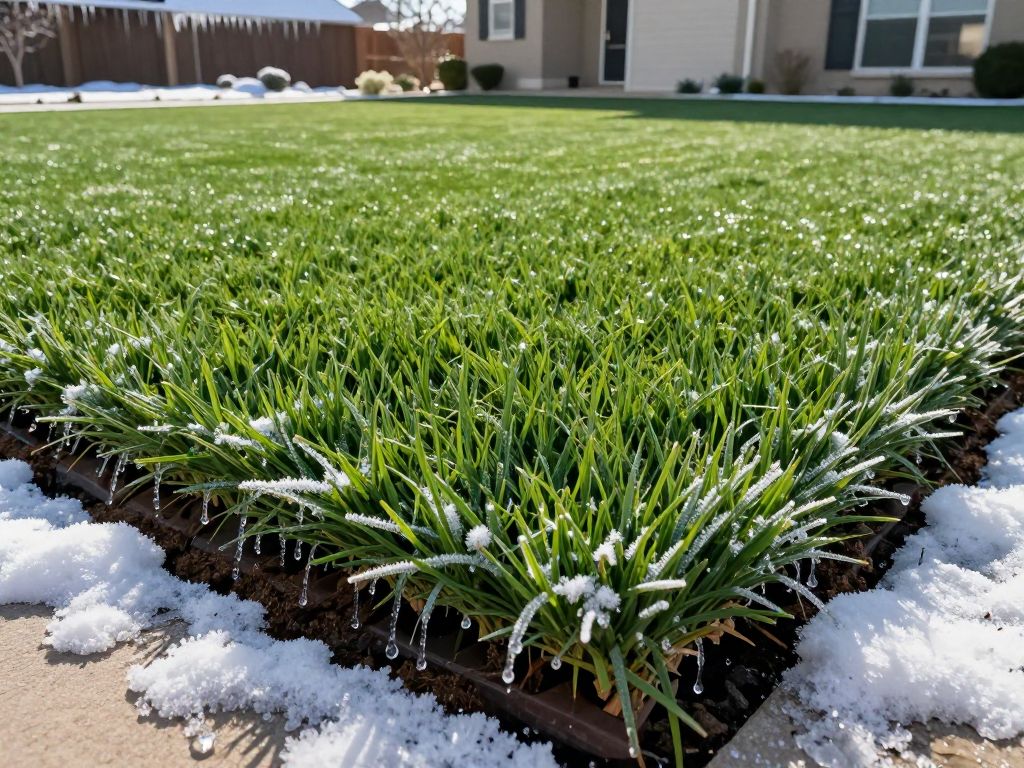
High-quality artificial turf is engineered to withstand freezing temperatures without cracking, fading, or suffering structural damage. The synthetic fibers remain flexible even when frozen, and the permeable backing ensures that melting snow and ice drain efficiently, preventing pooling and subsequent freeze-thaw related issues common to concrete or natural grass.
2. Deep Dive (Detailed Why and How)
When evaluating artificial turf for areas that experience freezing conditions, like those in the Dallas-Fort Worth (DFW) area, homeowners often worry about durability and safety.
Modern synthetic grass fibers, typically made from polyethylene, polypropylene, or nylon, are highly resistant to cold weather. Unlike brittle materials, they are formulated to retain elasticity, meaning they will not crack or break when temperatures drop below freezing.
If ice forms on the turf surface, it does not harm the product. When the temperature rises, the ice melts and drains directly through the turf's porous backing system. This rapid drainage prevents the dangerous freeze-thaw cycles that can destroy natural grass roots and crack hardscaping.
In fact, artificial turf offers a significant safety advantage during cold snaps. Its consistent, smooth surface eliminates the uneven, hidden patches of ice that can form under snow on natural grass or in the dips of concrete.
To maximize performance, many installers recommend using a specialty infill material, which can help ensure consistent drainage even during winter precipitation events. Once the ice melts, a simple cross-brushing helps stand the fibers back up if they were matted by snow.
3. Quick Reference (Bulleted Key Takeaways)
- No Damage: Turf fibers and backing will not crack or break from freezing.
- Rapid Drainage: Permeable backing allows melted ice and snow to drain quickly.
- Safety: Provides a more predictable surface than natural grass or concrete during frost.
- Minimal Maintenance: Requires simple rinsing or brushing after heavy ice/snow.
4. Strategic Hyperlink
Understanding how your lawn handles the extreme weather common to Texas is essential. You can learn more about how artificial turf performs in freezing conditions by reviewing our guide to wind resistance and installation security.
Explore Related Turf Resources
Related Turf Guides
- Accessible Drainage Solutions for Turf: The Key to Truly Senior-Friendly Outdoor Spaces
If you’re exploring senior-friendly turf, accessible drainage solutions for turf are just as important as the turf itself.
- Aesthetic Comparison: Turf vs. Grass (and What Actually Looks Better Long-Term)
If you’re weighing turf pros and cons, the **aesthetic differences between turf and grass** are probably at the top of your list.
- Annual Turf Care Calendar: Your Simple, Seasonal Guide to a Healthier Lawn
If you’re wondering, “What should I be doing for my lawn right now?” the answer lives inside an **annual turf care calendar**.
- Are luxury artificial turf options worth the investment for DFW homeowners?
Yes, upgrading to luxury artificial grass offers unmatched aesthetics, superior durability, and a premium feel that significantly elevates your home’s outdoor living experience and long-term value.
- Are you tired of staring at a dull, high-maintenance patch of grass?
**Yes, you can absolutely transform your yard into a stunning, functional space with a backyard landscaping makeover, and synthetic turf is often the key ingredient for DFW homeowners.**