
The Definitive Guide to Artificial Turf Furniture Damage Prevention
##?
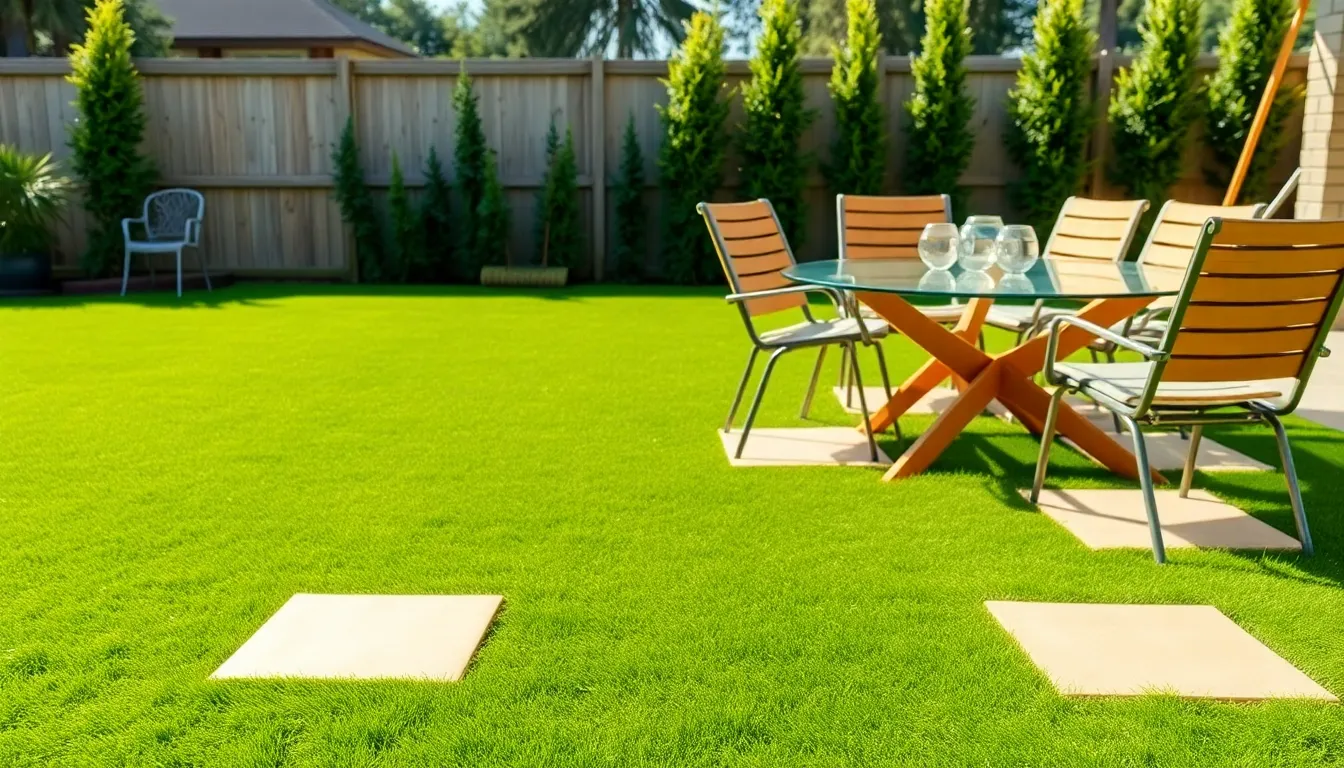
To prevent artificial turf damage from outdoor furniture, use protective measures such as broad, flat coasters or specialized furniture pads under all load-bearing points. Regularly move furniture—especially heavy or sharp-edged pieces—to allow turf fibers to recover and prevent permanent crushing, matting, or tearing of the synthetic surface.
2. Deep Dive (Detailed Why and How)
Artificial turf is durable, but it is not impervious to concentrated pressure. When heavy patio furniture sits in one place for extended periods, the weight compresses the turf fibers and the infill material. This can lead to permanent fiber memory, where the grass blades flatten and fail to spring back up, resulting in noticeable depressions or "potholes" in your lawn.
The primary cause of damage is sustained pressure combined with friction, particularly from sharp feet or narrow legs that focus all the furniture's weight onto a tiny area.Strategic Solutions for Furniture Placement * Use Broad Coasters or Pads: The simplest and most effective solution is to distribute the load. Place large, flat protective coasters (at least 3-4 inches in diameter) under all legs. Avoid rubber-backed mats as they can trap heat and damage the turf underneath.
- Opt for Turf-Friendly Furniture: When purchasing new outdoor furniture, look for pieces with sled bases, wide runners, or flat-bottomed feet rather than narrow, spike-like legs. Lighter furniture is always preferable.
- The Movement Routine: Establish a maintenance schedule to periodically rotate or slightly shift the furniture. Even moving a sofa by a few inches every few weeks is enough to release the compression on the fibers and allow them to stand back up. You can use a stiff-bristled broom or a power broom immediately after moving the furniture to help revitalize the fibers.
- Avoid Dragging: Never drag heavy furniture across the turf. This can cause significant friction, leading to melting, ripping, or permanent fraying of the fibers, resulting in costly damage. Always lift and carry items instead.Heat and Abrasion Warnings
In addition to crushing, furniture can also pose a risk due to heat retention. Dark metal or solid plastic furniture legs can absorb significant heat in direct sunlight. If this heat is transferred directly to the synthetic fibers without aeration, it can cause the turf to melt or fuse. Ensuring the furniture feet are elevated slightly or placed on breathable pads is essential.
3. Quick Reference (Bulleted Key Takeaways)
- Load Distribution: Always use large, flat furniture coasters or protective pads under all legs.
- Regular Rotation: Shift or move furniture at least monthly to prevent permanent fiber compression.
- Avoid Sharp Edges: Inspect all furniture legs for sharp points or narrow feet that concentrate weight.
- Lift, Don't Drag: Never drag heavy items across the surface to prevent fiber tearing and fraying.
- Broom Maintenance: Use a stiff broom to brush fibers back up immediately after moving furniture.
4. Strategic Hyperlink
Preventing year-round damage is crucial, but special steps must be taken to manage furniture during freezing temperatures. Ensure your protection strategies account for extreme weather by reviewing our guide on protecting your turf from furniture damage in winter.
Explore Related Turf Resources
Related Turf Guides
- Accessible Drainage Solutions for Turf: The Key to Truly Senior-Friendly Outdoor Spaces
If you’re exploring senior-friendly turf, accessible drainage solutions for turf are just as important as the turf itself.
- Aesthetic Comparison: Turf vs. Grass (and What Actually Looks Better Long-Term)
If you’re weighing turf pros and cons, the **aesthetic differences between turf and grass** are probably at the top of your list.
- Annual Turf Care Calendar: Your Simple, Seasonal Guide to a Healthier Lawn
If you’re wondering, “What should I be doing for my lawn right now?” the answer lives inside an **annual turf care calendar**.
- Are luxury artificial turf options worth the investment for DFW homeowners?
Yes, upgrading to luxury artificial grass offers unmatched aesthetics, superior durability, and a premium feel that significantly elevates your home’s outdoor living experience and long-term value.
- Are you tired of staring at a dull, high-maintenance patch of grass?
**Yes, you can absolutely transform your yard into a stunning, functional space with a backyard landscaping makeover, and synthetic turf is often the key ingredient for DFW homeowners.**