
The Definitive Guide to Artificial Turf Recyclability
##?
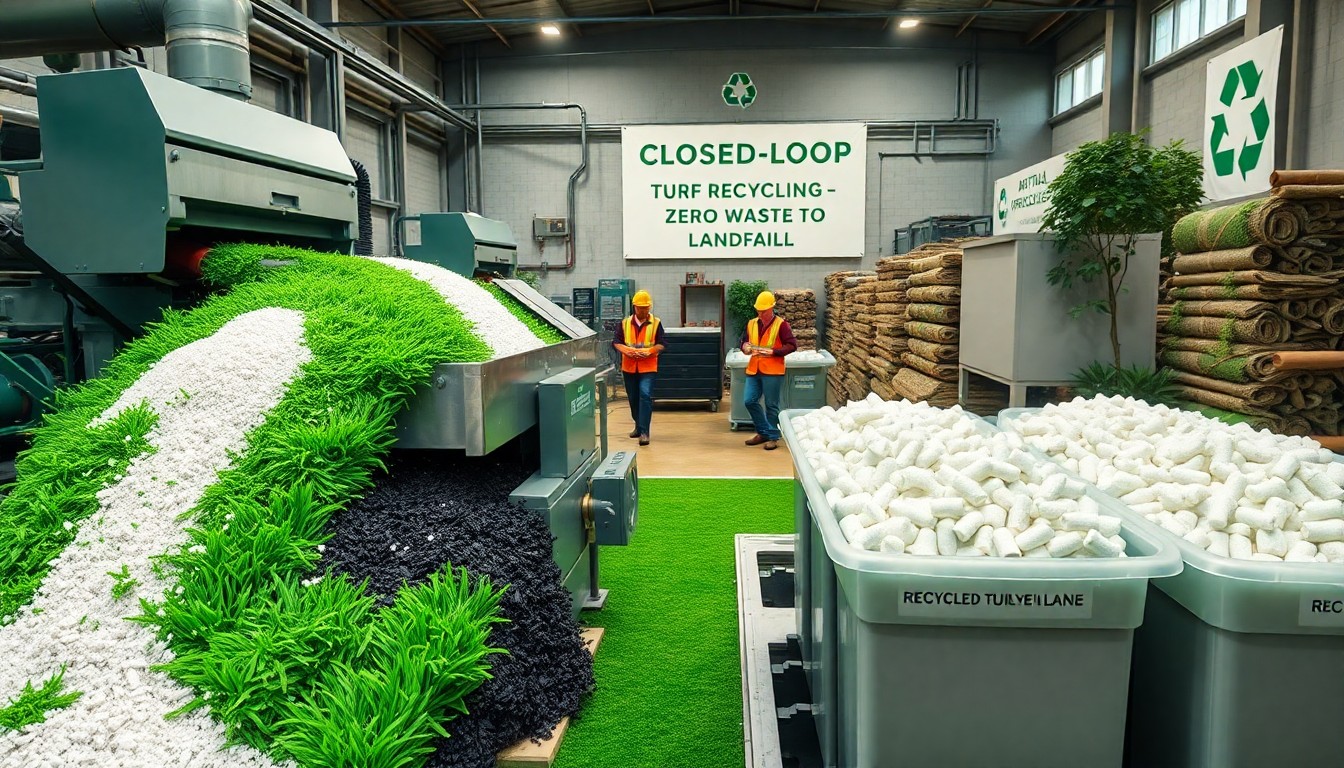
High-quality artificial turf is recyclable, primarily consisting of plastic components (polyethylene, polypropylene, or nylon fibers and backing) that can be separated from infill materials and processed into raw pellets for new products. While the recycling process requires specialized facilities to manage the separation of materials, modern turf manufacturers and dedicated recycling specialists are increasingly providing responsible, closed-loop solutions for end-of-life synthetic grass, ensuring your investment minimizes landfill waste.
2. Deep Dive (Detailed Why and How)
Addressing the end-of-life phase of synthetic turf is a critical component of sustainable landscaping. Since artificial grass is durable, it consists of multiple component layers—the plastic fibers, the backing material, and infill like sand or rubber—all of which must be separated for proper recycling.
The primary challenge in turf recycling is this complex multi-material composition. You cannot simply place old turf into a standard recycling bin. Instead, the material must be collected and transported to a specialized processing facility.
During processing, advanced machinery is used to mechanically separate the plastic turf fibers and backing from the infill materials. The fibers and backing, typically made of high-grade plastics, are then cleaned, shredded, and melted down into raw plastic pellets. These pellets serve as raw material for manufacturing a variety of new plastic products, from road materials to construction components, significantly reducing the demand for virgin plastics.
Crucially, the infill—which often makes up the bulk of the material by weight—is also recovered. Materials like rubber crumb and silica sand are thoroughly cleaned and can often be repurposed for new turf installations, sports fields, or other industrial applications. Choosing a professional recycling program is the only way to guarantee that all components are handled ethically and responsibly, fulfilling the environmental promise of synthetic grass.
3. Quick Reference (Bulleted Key Takeaways)
- Feasibility: High-quality artificial turf is recyclable, but requires specialized processing, not standard municipal recycling.
- Separation is Key: Plastic fibers and infill (sand/rubber) must be separated before either component can be repurposed.
- New Products: Recycled turf plastics are used to create raw pellets for diverse applications, including new plastic goods and construction materials.
- Infill Reuse: Recovered infill can often be cleaned and reused in new turf fields or other non-turf applications.
- Sustainable Choice: Recycling minimizes landfill waste, conserves resources, and supports the eco-conscious lifecycle of your lawn.
4. Strategic Hyperlink
A clear recycling plan for your old turf is an essential part of managing its environmental footprint. However, a related concern for long-term sustainability involves understanding the composition of the product during its functional life. For a deeper look into the environmental factors of turf materials, we recommend reviewing the various methods for end-of-life synthetic turf recycling.
Explore Related Turf Resources
Related Turf Guides
- Accessible Drainage Solutions for Turf: The Key to Truly Senior-Friendly Outdoor Spaces
If you’re exploring senior-friendly turf, accessible drainage solutions for turf are just as important as the turf itself.
- Aesthetic Comparison: Turf vs. Grass (and What Actually Looks Better Long-Term)
If you’re weighing turf pros and cons, the **aesthetic differences between turf and grass** are probably at the top of your list.
- Annual Turf Care Calendar: Your Simple, Seasonal Guide to a Healthier Lawn
If you’re wondering, “What should I be doing for my lawn right now?” the answer lives inside an **annual turf care calendar**.
- Are luxury artificial turf options worth the investment for DFW homeowners?
Yes, upgrading to luxury artificial grass offers unmatched aesthetics, superior durability, and a premium feel that significantly elevates your home’s outdoor living experience and long-term value.
- Are you tired of staring at a dull, high-maintenance patch of grass?
**Yes, you can absolutely transform your yard into a stunning, functional space with a backyard landscaping makeover, and synthetic turf is often the key ingredient for DFW homeowners.**