
The Definitive Guide to Artificial Turf Storm Cleanup for DFW Homeowners
##?
Immediately following a storm, artificial turf typically requires minimal cleanup—primarily focused on removing large debris, clearing excessive infill displacement, and restoring the turf fibers. Unlike natural grass which can suffer from mud, flooding, and erosion, high-quality synthetic turf is engineered with advanced drainage to quickly manage large volumes of water, ensuring your yard remains functional and beautiful with just a quick cleanup.
2. Deep Dive (Detailed Why and How)
Assessing Post-Storm Conditions
When a severe storm hits the DFW area, your synthetic lawn is designed to withstand it. However, the first step in cleanup is a thorough visual inspection. Look for three key issues: heavy debris (tree limbs, trash), areas where water may have displaced the infill material, and flattened turf fibers.Debris Removal Strategy
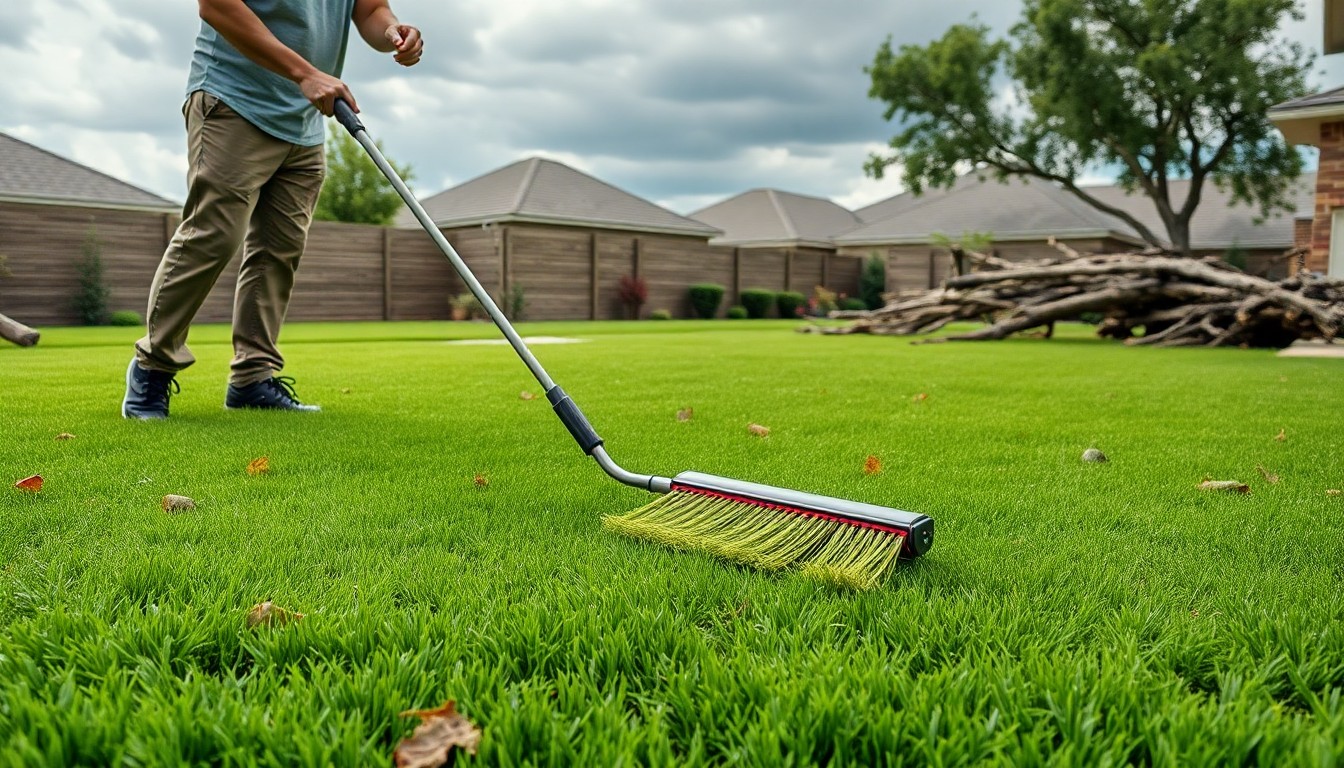
For large debris like branches, remove them manually or with tools that won't damage the turf. Avoid using sharp metal objects or heavy machinery that could tear the backing or compress the sub-base. Once the large items are gone, use a leaf blower, stiff-bristled broom, or a specialized power broom to remove smaller items like scattered leaves, pine needles, and dust.Managing Infill Displacement
High winds and torrential rain can sometimes cause light infill material (like sand or crumb rubber) to shift or wash away, particularly in lower areas or near edges.
If infill is clearly displaced, you may need to sweep the remaining infill back into the area or consider spot-refilling. If the sub-base appears damaged or the turf has lifted, contact your professional installer immediately, as this requires expert repair.Restoring the Turf Fibers
After being heavily saturated or compressed by falling debris, your turf fibers may appear flat. The best way to refresh them is to use a push broom or power broom against the grain of the fibers. This process, called cross-brushing, will encourage the blades to stand upright again, restoring the lush, natural look of your lawn.Final Rinse and Disinfection
In rare cases, floodwaters can leave behind silt, mud, or contaminants. A final rinse with a garden hose can clear any fine particles. If the storm involved any sewage backup or severe contamination, a mild mixture of water and a turf-safe disinfectant can be used, followed by a clear water rinse. The excellent drainage of your turf will ensure this moisture quickly dissipates.
3. Quick Reference (Bulleted Key Takeaways)
- Remove Large Debris: Clear branches and heavy items first, avoiding sharp tools.
- Brush Against the Grain: Use a stiff broom or power broom to restore flattened fibers.
- Check Infill: Inspect for shifted or missing infill and redistribute or replenish as needed.
- Rinse Away Silt: Use a hose to clear fine particles or mud left by floodwater.
- Inspect Edges: Ensure turf edges remain secured and no lifting has occurred.
4. Strategic Hyperlink
Storms bring challenges unique to the DFW climate, but with synthetic turf, the cleanup is vastly simplified. For detailed guidance on removing common storm detritus like leaves and other organic matter, review our guide on how to handle storm cleanup on your turf (<a href="/guides/the-definitive-guide-to-leaf-debris-removal-for-artificial-turf">how to handle storm cleanup on your turf</a>).
Explore Related Turf Resources
Related Turf Guides
- Accessible Drainage Solutions for Turf: The Key to Truly Senior-Friendly Outdoor Spaces
If you’re exploring senior-friendly turf, accessible drainage solutions for turf are just as important as the turf itself.
- Aesthetic Comparison: Turf vs. Grass (and What Actually Looks Better Long-Term)
If you’re weighing turf pros and cons, the **aesthetic differences between turf and grass** are probably at the top of your list.
- Annual Turf Care Calendar: Your Simple, Seasonal Guide to a Healthier Lawn
If you’re wondering, “What should I be doing for my lawn right now?” the answer lives inside an **annual turf care calendar**.
- Are luxury artificial turf options worth the investment for DFW homeowners?
Yes, upgrading to luxury artificial grass offers unmatched aesthetics, superior durability, and a premium feel that significantly elevates your home’s outdoor living experience and long-term value.
- Are you tired of staring at a dull, high-maintenance patch of grass?
**Yes, you can absolutely transform your yard into a stunning, functional space with a backyard landscaping makeover, and synthetic turf is often the key ingredient for DFW homeowners.**